
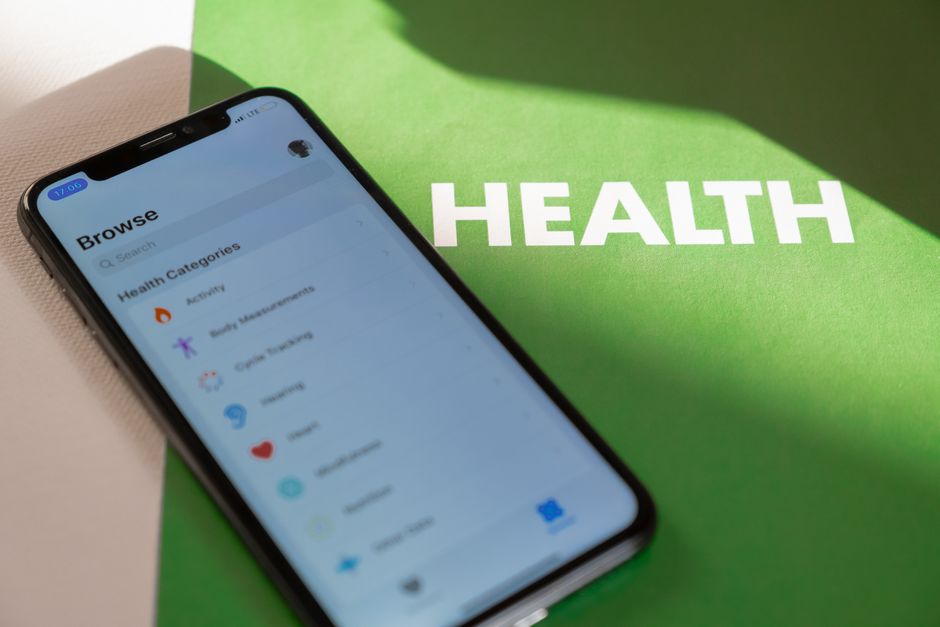
Digital health tools are apps, websites, and devices that help you track, manage, or improve your health from your phone or computer. They range from step counters on your smartwatch to online platforms that let you talk to a doctor. These tools work by collecting data from you — like your heart rate, sleep patterns, or symptoms — and turning that information into something useful, like a reminder to move or a report for your doctor.
What Types of Digital Health Tools Are Available?
The range is wider than most people realize. There are tools for almost every part of health, not just fitness.
Wearable devices like smartwatches and fitness bands track steps, heart rate, sleep stages, and sometimes blood oxygen. The CDC reports that about 30% of U.S. adults use some form of wearable health technology. These devices give you raw numbers, but the real value is how they show trends over time.
Telehealth platforms let you see a doctor, therapist, or specialist through video calls. This became common during the pandemic. Research published in the Journal of the American Medical Association found that telehealth visits were just as effective as in-person visits for many routine conditions like colds, skin rashes, and mental health check-ins.
Symptom checkers are apps where you enter what you feel and get possible causes. The evidence on these is mixed. A 2020 study in BMJ found that symptom checkers correctly identified the most likely diagnosis only about 34% of the time. They are more useful for deciding whether to see a doctor than for getting a final answer.
Medication management apps remind you to take pills, track doses, and flag interactions. Some connect to your pharmacy to refill prescriptions automatically. For older adults managing multiple medications, these tools can reduce missed doses significantly.
How Do Digital Health Tools Actually Work Behind the Scenes?
Most digital health tools follow the same basic process. They collect data, process it, and give you feedback.
Data collection happens through sensors (like the accelerometer in your phone) or through what you type in. Your smartwatch counts steps using a small chip that detects motion. A blood pressure app asks you to enter your readings manually or syncs with a Bluetooth cuff.
Processing is where the tool makes sense of the numbers. Some tools use simple rules — “if your heart rate goes above 120 while resting, send an alert.” Others use artificial intelligence. For example, the Apple Heart Study, published in the New England Journal of Medicine, showed that an Apple Watch could detect irregular heart rhythms with 84% accuracy using an AI algorithm trained on thousands of heart rate patterns.
Feedback is what you see or feel. It might be a notification that says “You haven’t moved in an hour” or a weekly report showing your average blood sugar. The best tools adjust their feedback based on your goals, not just generic advice.
One thing that often surprises people: most digital health tools do not replace doctors. They are decision-support tools, not decision-making tools. The American Medical Association emphasizes that these tools should complement, not replace, clinical judgment.
What Does Research Say About Digital Health Tools?
The research is encouraging but not as strong as marketing suggests. Many tools claim to be “clinically proven” when the evidence is thin.
For physical activity tracking, the evidence is solid. A 2019 meta-analysis in The Lancet Digital Health reviewed 28 studies and found that wearable activity trackers increased daily steps by about 1,200 on average. The effect was strongest in people who set specific step goals and checked their progress daily.
For mental health apps, the picture is more mixed. Apps for depression and anxiety that use cognitive behavioral therapy (CBT) techniques have good evidence. A study in JAMA Psychiatry found that a CBT-based app reduced depression symptoms as effectively as in-person therapy for mild to moderate cases. But many apps in app stores have no research behind them at all. The American Psychological Association warns that unregulated apps may give bad advice or miss serious symptoms.
For chronic disease management, tools for diabetes show the strongest results. Continuous glucose monitors (CGMs) that send data to your phone help people with type 1 and type 2 diabetes lower their A1C levels by 0.5 to 1.0 percentage points on average, according to research in Diabetes Care. Blood pressure tracking apps also help, but only when combined with coaching or medication adjustments.
For sleep tracking, the research is weaker. Consumer wearables track sleep stages reasonably well but are not as accurate as lab-based sleep studies. A 2020 study in Sleep Health found that popular devices correctly identified sleep versus wake about 80% of the time, but they struggled to distinguish between light sleep and deep sleep.





What Are the Risks and Limitations of Digital Health Tools?
Digital health tools are not risk-free. The most common problems are not technical — they are about how people use them.
Over-reliance is a real concern. Some people trust the app more than their own body. If a heart rate monitor shows a normal reading but you feel chest pain, you should still call a doctor. No tool catches everything.
Data privacy is another issue. Many health apps share your data with third parties. A 2021 investigation by the Wall Street Journal found that some popular period trackers and mental health apps sent user data to Facebook and Google without clear consent. Before using any tool, check its privacy policy. Look for tools that say they follow HIPAA rules, which is the U.S. health privacy law.
Accuracy varies widely between tools. The FDA regulates some digital health tools as medical devices, but many are not regulated at all. A blood pressure monitor that attaches to your phone might be accurate within 3 mmHg, or it might be off by 15 mmHg. You cannot tell from the app store rating. Look for tools that cite validation studies or FDA clearance.
Health anxiety can increase with constant monitoring. Seeing normal variations in heart rate or blood sugar can make healthy people worry unnecessarily. Some studies suggest that people who track their health obsessively report more anxiety, not less.
How Do You Choose a Good Digital Health Tool?
Not all tools are created equal. Here is a practical checklist based on what research shows works.
- Check the evidence. Does the tool have published studies? Look for research in peer-reviewed journals, not just testimonials on the website.
- Look for clinical validation. If it measures something medical — blood pressure, blood sugar, heart rhythm — it should have FDA clearance or CE marking. The FDA maintains a list of cleared digital health devices.
- Read the privacy policy. Does it say they will not sell your data? Do they use encryption? Can you delete your data?
- See if it integrates with your doctor. Tools that share data with your healthcare provider are more useful than tools that keep everything on your phone.
- Try before you commit. Most good tools offer a free trial or a free version. Use it for a week. If it feels confusing or stressful, move on.
One thing that often helps: ask your doctor what they recommend. Many healthcare systems now have a list of approved digital health tools they trust.
Comparison of Common Digital Health Tools
This table compares four categories of tools based on evidence strength, typical accuracy, and privacy concerns.
| Tool Type | Evidence Strength | Typical Accuracy | Privacy Risk | Best For |
|---|---|---|---|---|
| Step counters | Strong | 95%+ for steps | Low | Increasing daily activity |
| Heart rate monitors | Strong | 90-95% at rest | Low to moderate | Exercise intensity tracking |
| Sleep trackers | Moderate | 80% sleep/wake detection | Low | Sleep pattern awareness |
| Blood pressure cuffs | Strong | ±3 mmHg (validated devices) | Low | Home blood pressure monitoring |
| Mental health apps | Mixed | Depends on the app | Moderate to high | Mild to moderate anxiety or depression |
| Blood glucose monitors | Strong | ±10-15% of lab value | Low | Diabetes management |
What Are Digital Health Tools And How Do They Work for Different Health Goals?
Different goals require different tools. Here is how to match the tool to what you want to achieve.
If you want to get more active: A simple step tracker or a smartwatch works well. Set a daily step goal and check your progress. Research shows that people who use step trackers increase their steps by about 1,200 per day on average. That alone can improve cardiovascular health.
If you want to manage a chronic condition: Choose tools that connect to your doctor’s system. For diabetes, a continuous glucose monitor that shares data with your endocrinologist is more useful than a standalone app. For high blood pressure, a validated home monitor that logs readings automatically is better than typing numbers manually.
If you want to improve mental health: Look for apps based on cognitive behavioral therapy. Headspace and Calm have some research behind them, but many other apps do not. The best approach is to use an app alongside therapy, not instead of it.
If you want to sleep better: Sleep trackers can give you general patterns but are not diagnostic tools. If you suspect a sleep disorder like sleep apnea, you need a formal sleep study. Wearables can tell you if you are getting enough sleep on average, but they cannot diagnose problems.
Frequently Asked Questions
Are digital health tools covered by insurance?
Many insurance plans now cover telehealth visits and some cover FDA-cleared devices like continuous glucose monitors. Check with your specific plan before buying.
Can digital health tools replace my doctor?
No. These tools provide information and reminders but cannot diagnose conditions, prescribe medications, or replace physical examinations. Always consult a healthcare provider for medical decisions.
How do I know if a health app is safe to use?
Look for FDA clearance if it measures something medical, check the privacy policy for data sharing, and see if it has published validation studies in peer-reviewed journals.
Do digital health tools work for older adults?
Yes, but ease of use matters more. Tools with large text, simple navigation, and automatic data syncing work best. Some studies show that older adults benefit more from tools that include coaching or human support.
