
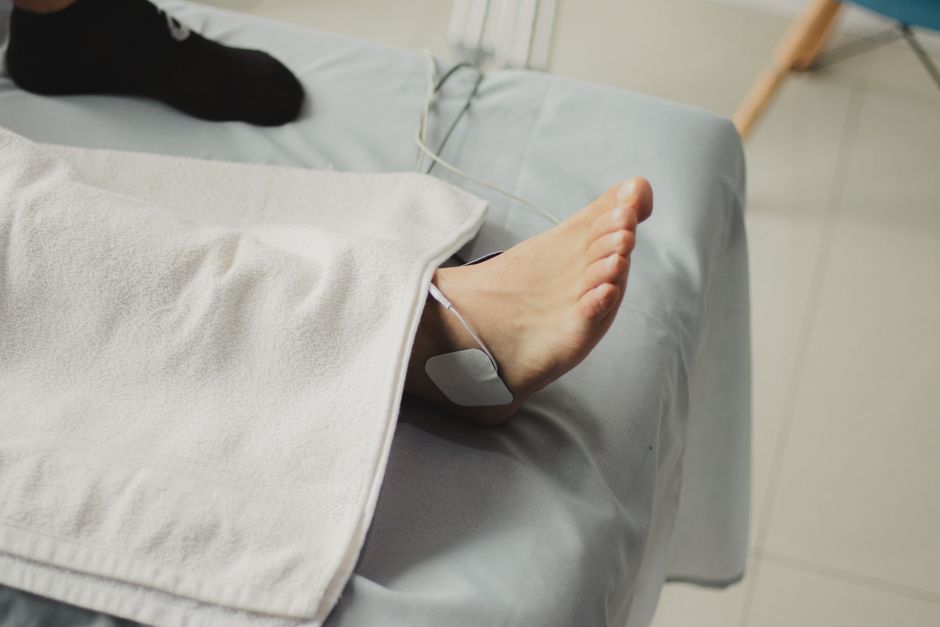
Modalities in health care and therapy are the specific tools, techniques, and methods used to treat a condition or improve a patient’s function. They range from physical agents like heat and electricity to manual techniques and psychological approaches. In simple terms, a modality is the “how” — the specific treatment a clinician applies to address a diagnosis.
What Are Modalities In Health Care And Therapy?
In clinical practice, a modality is a distinct form of treatment. It is not the overall care plan but a single component within it. For example, a physical therapist might use several modalities in one session: therapeutic exercise, manual therapy, and ultrasound. Each one is a separate modality aimed at a specific goal like reducing pain or increasing range of motion.
The word applies across all of health care. In medicine, a chemotherapy drug is a modality. In psychology, cognitive behavioral therapy is a modality. In nursing, wound care is a modality. The term is broad, but it always refers to a defined method of intervention.
Understanding the different categories helps patients ask better questions. It also clarifies why a clinician chooses one approach over another. The choice depends on the evidence, the condition, and the patient’s individual circumstances.
What Are the Main Categories of Treatment Modalities?
Treatment modalities generally fall into several recognized categories. Each category uses a different mechanism to affect the body or mind.
- Physical modalities: These use physical agents like heat, cold, water, sound, light, or electricity. Examples include ice packs, heating pads, therapeutic ultrasound, and transcutaneous electrical nerve stimulation (TENS).
- Manual techniques: These involve hands-on treatment. Massage, joint mobilization, and spinal manipulation fall into this group.
- Therapeutic exercise: This is a structured physical activity prescribed to restore function. It includes stretching, strengthening, and balance training.
- Pharmacological modalities: These are medications used to treat disease or manage symptoms. They include prescription drugs, over-the-counter medicines, and topical agents.
- Psychological modalities: These are structured approaches to mental health treatment. Cognitive behavioral therapy, dialectical behavior therapy, and exposure therapy are examples.
- Surgical modalities: These are invasive procedures used to repair or remove tissue. Surgery is a modality when it is the chosen method of intervention.
- Device-based modalities: These include wearable technology, braces, and assistive equipment. A continuous positive airway pressure (CPAP) machine for sleep apnea is a device-based modality.
Many treatment plans combine modalities. A patient recovering from knee surgery might use ice, exercise, and a brace. Each element is a separate modality working toward the same outcome.
How Do Physical Agents Work as Therapy Modalities?
Physical agents are among the oldest treatment modalities. They work by applying a physical force or energy to the body. The goal is to produce a specific physiological response.
Heat therapy, for example, increases blood flow to the area. It relaxes muscles and can reduce stiffness. Cold therapy does the opposite. It constricts blood vessels, reduces blood flow, and numbs the area to decrease pain and swelling.
Electrical stimulation is another physical agent. It uses low-voltage currents to stimulate nerves or muscles. Some research suggests it can help with pain relief and muscle re-education, though results vary by condition.
Ultrasound uses high-frequency sound waves to generate deep heat in tissues. It is used for conditions like tendonitis, but the evidence for its effectiveness is mixed. Some studies show benefit; others show little difference from sham treatment.
It is important to know that physical agents are rarely a standalone cure. They are typically used as an adjunct to more active treatments like exercise. A modality that reduces pain can make exercise possible, but the exercise is often what builds long-term function.





What Role Do Manual Therapy Modalities Play?
Manual therapy refers to skilled hand movements performed by a clinician. It is a core modality in physical therapy, chiropractic, and osteopathic medicine.
Massage is the most recognized form. It involves manipulating soft tissue to reduce tension and improve circulation. The evidence for massage is strongest for short-term pain relief and relaxation.
Joint mobilization and manipulation involve moving a joint through its range of motion. Mobilization uses gentle, controlled movements. Manipulation uses a quick, targeted thrust. These techniques are commonly used for back and neck pain.
Research on spinal manipulation shows it can be helpful for some people with acute low back pain. The effect is often modest, and it is not superior to other active treatments. It is not appropriate for everyone. People with certain conditions, like spinal cord compression or fractures, should not receive manipulation.
Manual therapy is generally safe when performed by a trained professional. Serious complications are rare but possible. Always disclose your full medical history before receiving any manual treatment.
Why Are Therapeutic Exercise Modalities Considered Essential?
Therapeutic exercise is unique among modalities because it requires active participation from the patient. It is not something done to you. It is something you do.
Exercise modalities are prescribed to restore strength, endurance, flexibility, and balance. They are a cornerstone of rehabilitation for nearly every musculoskeletal condition. They are also effective for many chronic diseases, including heart disease, diabetes, and arthritis.
The evidence for therapeutic exercise is strong. For chronic low back pain, exercise is one of the few treatments with consistent evidence of benefit. For knee osteoarthritis, exercise reduces pain and improves function as well as some medications.
A key distinction is between passive and active modalities. Passive modalities, like heat or massage, are done to the patient. Active modalities, like exercise, require patient effort. Active modalities generally produce longer-lasting results. Passive modalities are often best used as a bridge to make active treatment possible.
Clinicians prescribe exercise in a specific dose. The type, frequency, intensity, and duration all matter. A prescription for exercise is as specific as a prescription for medication.
How Are Psychological and Pharmacological Modalities Used Together?
Psychological modalities address mental health through structured talking therapies and behavioral interventions. Pharmacological modalities address it through medication. They are often used together.
For major depressive disorder, the combination of antidepressant medication and cognitive behavioral therapy is a well-established treatment approach. Some research suggests the combination is more effective than either alone, particularly for moderate to severe depression.
Cognitive behavioral therapy works by identifying and changing unhelpful thought patterns and behaviors. It is a structured, time-limited approach. It has strong evidence for depression, anxiety disorders, and insomnia.
Medications work by altering brain chemistry. Antidepressants, for example, affect neurotransmitters like serotonin and norepinephrine. They are effective for many people, but they do not work for everyone. They also carry side effects that must be weighed against their benefits.
No single modality is universally effective. What works depends on the individual, the condition, and the severity. A clinician’s job is to match the modality to the patient, not the other way around.
How Do Clinicians Choose Which Modality to Use?
Clinicians base modality choices on several factors. The first is the evidence. Some treatments have strong research support. Others are used because of tradition or clinical experience despite limited data.
The second factor is the diagnosis. A torn ligament requires a different approach than a muscle strain. The stage of healing also matters. Acute injuries often respond to ice and compression. Chronic conditions may benefit more from exercise and manual therapy.
Patient preference is the third factor. A treatment a patient will not follow is not an effective treatment. This is especially true for exercise and lifestyle modalities, which require ongoing commitment.
Cost and availability also play a role. Some modalities require specialized equipment or trained professionals. Others can be done at home with minimal resources.
Clinicians should be transparent about why they choose a modality. If a treatment is based on limited evidence, the patient deserves to know that. Honest communication builds trust and leads to better outcomes.
What Is the Difference Between Evidence-Based and Alternative Modalities?
An evidence-based modality has been studied in controlled trials and shown to work for a specific condition. The evidence may be strong or weak, but it exists. A modality with no evidence has not been adequately studied, or studies have failed to show benefit.
Some alternative modalities fall into the second category. Acupuncture, for example, has a growing body of evidence for certain types of pain. Other modalities, like some herbal supplements, have little or no evidence of effectiveness.
It is a mistake to assume that “natural” means safe or effective. Many natural substances have serious side effects and drug interactions. The absence of evidence is not proof of harm, but it is also not proof of benefit.
Some clinicians recommend alternative modalities because patients ask for them or because they seem harmless. This is common practice, but it is not the same as evidence-based care. Patients should ask what evidence supports a recommended treatment and what the risks are.
Frequently Asked Questions
What is the difference between a modality and a treatment plan?
A modality is a single treatment method, while a treatment plan is the full set of modalities and strategies used for a patient. Think of modalities as individual tools and the plan as the complete toolbox.
Are passive modalities like heat and ice effective on their own?
Passive modalities provide short-term symptom relief but rarely produce lasting change on their own. They are most effective when combined with active treatments like exercise.
How do I know if a modality is evidence-based?
Ask your clinician what research supports the treatment and what the expected benefits are. You can also look for guidelines from major medical organizations, which summarize the evidence for common treatments.
Can multiple modalities be used in one session?
Yes, clinicians frequently combine modalities in a single treatment session. The key is that each modality serves a specific purpose and the combination does not create unnecessary risk.
