
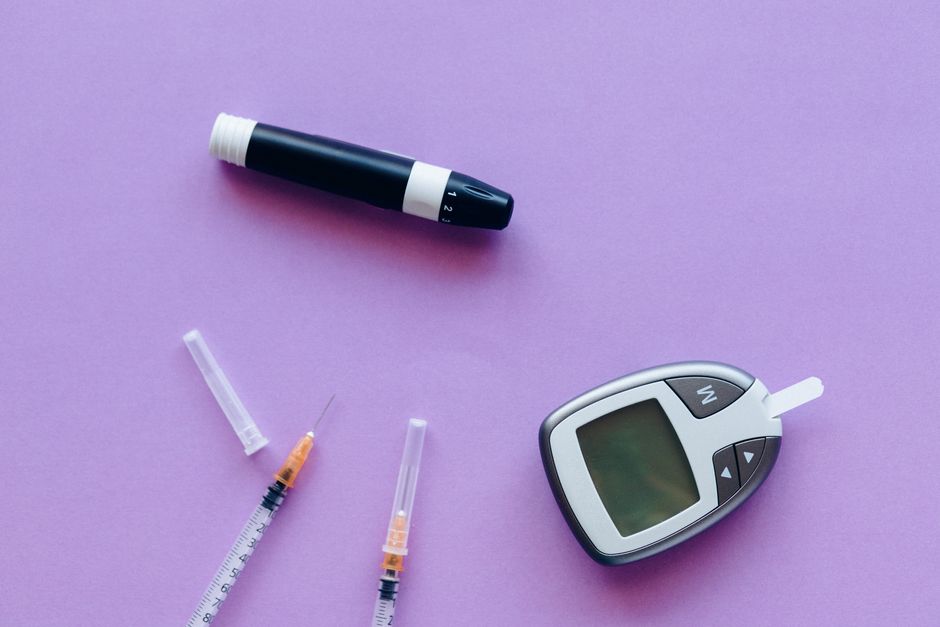
Diagnostic tools are the tests, devices, and exams used to figure out what is happening inside your body. They include blood tests, imaging scans like X-rays and MRIs, physical exams, and biopsies. Each type answers a different question, and doctors choose them based on symptoms, history, and what they need to rule in or rule out.
Most people meet diagnostic tools at a routine checkup or when something feels wrong. Knowing what each test does — and what it cannot do — helps you ask better questions and understand your results.
What Are Diagnostic Tools and How Do They Work?
A diagnostic tool is any method used to gather information about your health so a clinician can identify a condition, measure how far it has progressed, or monitor how it changes over time. The tool itself does not treat anything. It produces data that a trained person interprets.
Diagnostic tools work through different physical principles. A blood test measures the concentration of substances in a sample. An X-ray passes radiation through tissue and captures how much is absorbed. An MRI uses magnetic fields and radio waves to map soft tissue. Each method reveals a different layer of what is happening.
One distinction matters: a screening test looks for disease in people without symptoms, while a diagnostic test confirms or rules out a condition in people who do have symptoms. A screening test that comes back positive usually leads to a diagnostic test. The two are not interchangeable.
No single test is perfect. Every diagnostic tool has a sensitivity — how often it correctly flags disease when present — and a specificity — how often it correctly clears people who are healthy. A test with high sensitivity rarely misses disease but may produce false positives. A test with high specificity rarely flags healthy people but may miss some cases. Clinicians weigh these tradeoffs against your symptoms and risk level.
What Are the Main Types of Diagnostic Tools?
Diagnostic tools fall into a few broad categories. Most clinical work combines several of them.
- Laboratory tests — blood, urine, saliva, and tissue samples analyzed for cells, chemicals, hormones, and markers of infection or organ function.
- Imaging — X-ray, ultrasound, CT, MRI, and nuclear medicine scans that show structure or function inside the body.
- Physical examination — inspection, palpation, percussion, and auscultation (listening with a stethoscope), plus vital signs like blood pressure and temperature.
- Biopsy and pathology — removing a small tissue sample and examining it under a microscope to confirm or characterize disease.
- Endoscopy — a camera on a flexible tube used to look directly inside the digestive tract, airways, or other cavities.
- Functional and electrical tests — electrocardiogram (ECG), electroencephalogram (EEG), pulmonary function tests, and nerve conduction studies that measure how organs are working rather than how they look.
- Genetic and molecular testing — analyzing DNA, RNA, or proteins to identify inherited conditions, guide treatment, or characterize tumors.
These categories overlap. A cardiac stress test, for example, combines physical exertion with electrical monitoring and sometimes imaging. A point-of-care test done in the clinic is still a laboratory test, just faster.
How Are Diagnostic Tools Chosen and Used?
Clinicians choose tests in a sequence, usually starting with the least invasive and most informative option. The goal is to reach a useful answer without unnecessary risk, cost, or delay.
Your history and physical exam come first. They narrow the possibilities and tell the clinician which test is most likely to be useful. Ordering every test at once is not good practice — it raises the chance of incidental findings that lead to more tests without improving care.
Test results are interpreted against reference ranges and your specific context. A value slightly outside the normal range may be meaningless in one person and important in another. Age, sex, medications, hydration, and time of day can all shift results. This is why a single abnormal number rarely stands alone as a diagnosis.
Some tests are used to monitor rather than diagnose. A person with diabetes checks blood glucose regularly. Someone on a blood thinner has clotting measured periodically. Monitoring tools track change over time, which is a different job from identifying disease in the first place.
One non-obvious point: a normal result does not always mean nothing is wrong. Some conditions do not show up on early testing, and timing matters. A test taken too soon after exposure to an infection, for example, can miss it because the body has not yet produced detectable markers.





What Is the Difference Between Screening, Diagnosis, and Monitoring?
Screening, diagnosis, and monitoring use overlapping tools but serve different purposes. Confusing them leads to unrealistic expectations about what a test can tell you.
Screening applies a test to people who feel fine, aiming to catch disease early when treatment may work better. Screening programs are only worthwhile when the condition is common enough, the test is accurate enough, and early treatment genuinely improves outcomes. Not every disease meets that bar.
Diagnosis is the process of identifying what is causing symptoms. It often requires more than one test and sometimes a trial of exclusion — ruling out conditions one by one until the picture is clear.
Monitoring tracks a known condition over time. The same blood test that helped diagnose a problem may later be repeated to see whether treatment is working.
A screening test is not a diagnosis. A positive screen means “look closer,” not “you have this disease.” Many people are alarmed by a positive screening result before confirmatory testing, and most of those early alarms turn out to need clarification rather than panic.
How Accurate Are Diagnostic Tools?
Accuracy varies widely by test, by condition, and by the person being tested. There is no single accuracy figure that applies across diagnostic tools.
Some tests are highly reliable. A fasting blood glucose of 126 mg/dL or higher on two occasions meets the established criteria for diabetes. A blood pressure reading of 120/80 mmHg is considered normal, while 130/80 mmHg or higher is generally classified as high blood pressure under current US guidelines. These thresholds come from large bodies of evidence and are used consistently in clinical practice.
Other tests are less definitive. Many imaging findings are described as “nonspecific” because they can appear in healthy people or point to several conditions. A radiologist may note a finding and recommend follow-up rather than declare a diagnosis. That is not a failure of the test — it reflects the limits of what an image can show.
False positives and false negatives are real. A false positive says disease is present when it is not. A false negative says disease is absent when it is present. The likelihood of each depends on the test and on how common the condition is among people like you. A test used in a low-risk population produces more false positives proportionally, which is why screening decisions weigh your individual risk.
No test replaces clinical judgment. Results are one input among many, combined with your symptoms, history, and physical exam.
What Should You Know Before and After a Diagnostic Test?
Preparation affects results. Some blood tests require fasting, and eating beforehand can change glucose and lipid readings. Certain imaging studies need contrast dye, which may require avoiding food or adjusting medications. Tell the clinician about allergies, pregnancy, implanted devices, and all medications you take, including supplements.
Ask what the test is for and what happens next. A useful question is: “What will we do differently depending on the result?” If the answer is nothing, the test may not be necessary. This is a reasonable conversation to have before any procedure.
After the test, ask for the results in plain language. Request an explanation of any value outside the reference range and whether it needs follow-up. Keep your own record of results over time — trends often matter more than a single reading.
Some tests carry small risks. CT scans involve radiation exposure, though the dose from a single scan is generally low and the benefit usually outweighs it when a scan is genuinely needed. Invasive tests like biopsies carry small risks of bleeding or infection. These are weighed against the value of the information.
What Are the Limits of Diagnostic Tools?
Diagnostic tools are powerful but not omniscient. They can miss disease, produce misleading results, and generate findings that turn out to be harmless but trigger anxiety and further testing.
Incidental findings are common with advanced imaging. A scan ordered for one reason may reveal something unrelated that requires follow-up but never causes harm. This is a known tradeoff of more sensitive imaging, and clinicians increasingly discuss it with patients beforehand.
Some conditions have no reliable diagnostic test. Certain chronic pain syndromes, early-stage neurodegenerative diseases, and some autoimmune conditions are diagnosed largely by pattern and exclusion rather than a single definitive test. In those cases, the absence of a positive result does not mean the symptoms are not real.
Diagnostic tools also depend on the skill of the person interpreting them. Imaging and pathology readings can vary between experts, which is one reason second opinions exist for serious findings.
Frequently Asked Questions
What are diagnostic tools in simple terms?
They are the tests and devices used to find out what is causing symptoms or to check your health. Examples include blood tests, X-rays, and physical exams.
What is the difference between a screening test and a diagnostic test?
A screening test looks for disease in people without symptoms, while a diagnostic test confirms or rules out a condition in people who have symptoms or a positive screen. A positive screen usually leads to a diagnostic test.
Can a diagnostic test be wrong?
Yes. Every test can produce false positives or false negatives, and accuracy varies by test and by the person being tested. Results are interpreted alongside symptoms, history, and physical exam rather than on their own.
Do I need to fast before a diagnostic blood test?
It depends on the specific test. Some glucose and lipid tests require fasting, while many others do not. Follow the instructions from your clinician or lab for the exact test ordered.
