
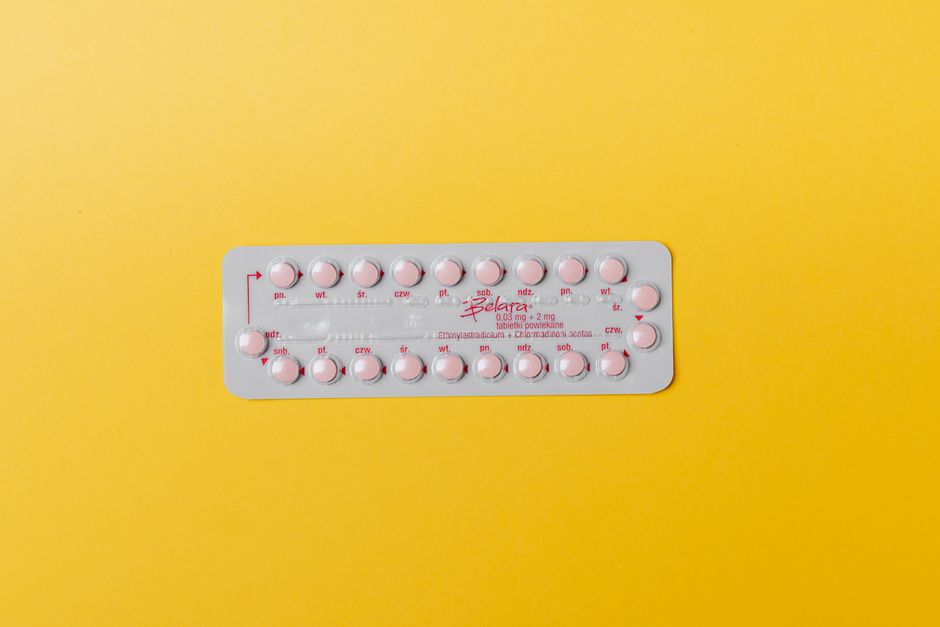
Stopping progesterone is not like stopping most medications. You cannot just quit one day and expect your body to adjust without problems. The safe way to wean off progesterone involves slowly lowering your dose over weeks or months under a doctor’s supervision. This gives your body time to start making its own progesterone again. Without a gradual taper, you may experience withdrawal symptoms like anxiety, insomnia, dizziness, or heavy bleeding. Every person’s situation is different, so your taper schedule must be personalized.
Why Can’t You Just Stop Progesterone Suddenly?
Your body adapts to external progesterone. When you take it daily, your natural hormone production slows down or stops. The ovaries and adrenal glands get the message that progesterone is already covered. If you stop the medication abruptly, your body has no backup supply and cannot restart production overnight.
This sudden drop can trigger what doctors call a withdrawal syndrome. Research published in the journal Menopause found that women who stopped hormone therapy abruptly reported more severe symptoms than those who tapered. These symptoms include hot flashes, mood swings, trouble sleeping, and vaginal bleeding. The severity depends on how long you took progesterone, what dose you were on, and your individual biology.
Your doctor needs to know your full history before designing a taper plan. This includes why you started progesterone in the first place. Was it for IVF support, menopausal hormone therapy, or irregular cycles? The reason matters because it tells your doctor what your body’s natural baseline looks like.
What Does Research on Weaning Off Progesterone Safely Show?
There is no single standard protocol for tapering progesterone. The research is limited compared to other hormone medications. However, the general medical consensus is clear: gradual reduction works better than cold turkey.
A 2020 review in Obstetrics & Gynecology looked at hormone withdrawal in women using progesterone for fertility treatments. The researchers found that tapering over two to four weeks reduced withdrawal symptoms compared to abrupt cessation. For women using progesterone for menopausal symptoms, the North American Menopause Society recommends reducing the dose by 25 to 50 percent every two to four weeks.
Your taper schedule depends on your current dose. Someone on 200 mg daily will need a different plan than someone on 100 mg. A typical approach is to reduce by 25 mg or 50 mg each week. But some people need slower reductions, especially if they have been on high doses for many months.
What Are the Common Withdrawal Symptoms and How Long Do They Last?
Withdrawal symptoms vary widely. Some people have none at all. Others feel like they are going through a second puberty. The most commonly reported symptoms include:
- Anxiety or panic attacks
- Insomnia or disrupted sleep
- Hot flashes and night sweats
- Mood swings or depression
- Dizziness or lightheadedness
- Nausea and digestive upset
- Irregular bleeding or spotting
- Headaches and fatigue
These symptoms usually peak within the first week after each dose reduction. They typically last one to three weeks before stabilizing. If you are tapering slowly, each step down may bring a few days of discomfort followed by a period of adjustment. The entire process can take four to eight weeks from start to finish.
One thing most people do not expect is the emotional impact. Progesterone has a calming effect on the brain because it binds to GABA receptors, the same receptors that anti-anxiety medications target. When you lower your dose, your brain loses that calming input. This is why anxiety is such a common withdrawal symptom. Understanding this can help you prepare mentally for the process.





How To Wean Off Progesterone Safely: A Step-by-Step Approach
Your doctor will give you a specific plan, but here is what a typical safe weaning process looks like. This is informational only. Do not follow this without medical supervision.
First, establish your baseline dose. Write down exactly how much progesterone you take and for how long you have been taking it. Your doctor needs this information to calculate reductions. If you take it cyclically (two weeks on, two weeks off), your taper will look different than if you take it continuously.
Second, agree on a reduction schedule. Most doctors start with a 25 percent reduction. For example, if you take 200 mg daily, you would drop to 150 mg for one to two weeks. Then to 100 mg for another week or two. Then to 50 mg. Then to 25 mg. Finally, you stop. Each step should last at least one week, and some people need two weeks per step.
Third, monitor your symptoms. Keep a simple journal. Rate your anxiety, sleep quality, and bleeding on a scale of 1 to 10 each day. This helps you and your doctor decide whether to slow down the taper. If symptoms are severe, you may need to stay at a dose longer or reduce by smaller increments.
Fourth, consider the timing. Do not start a taper during a stressful life event. Avoid major deadlines, travel, or personal upheavals. Your body is already under stress from the hormonal shift. Adding more stress makes withdrawal worse.
| Current Daily Dose | Suggested First Reduction | Duration at Reduced Dose |
|---|---|---|
| 200 mg | 150 mg | 1–2 weeks |
| 150 mg | 100 mg | 1–2 weeks |
| 100 mg | 50 mg | 1–2 weeks |
| 50 mg | 25 mg | 1–2 weeks |
| 25 mg | Stop | — |
This table is a general guide. Your actual taper may need to be slower or faster. Some people need to reduce by only 12.5 mg per step. Others can drop by 50 mg at a time. Your doctor decides based on your specific situation.
What Lifestyle Changes Support a Smoother Taper?
Your body needs support during this transition. No supplement or diet change replaces the taper, but certain habits can reduce symptom severity.
Blood sugar stability matters more than most people realize. Progesterone affects how your body handles insulin. When you lower your dose, your blood sugar may become less stable. This can trigger anxiety, shakiness, and fatigue. Eating protein at every meal, avoiding sugar spikes, and not skipping meals helps keep your mood and energy steady.
Sleep hygiene becomes critical. Progesterone is a natural sleep aid. When you reduce it, your sleep may suffer. Go to bed at the same time every night. Avoid screens for an hour before bed. Keep your bedroom cool. If insomnia is severe, talk to your doctor about temporary sleep support. Melatonin is an option for some people, but check with your doctor first.
Exercise helps but do not overdo it. Moderate movement like walking, yoga, or swimming supports mood and circulation. High-intensity exercise can spike cortisol, which may worsen anxiety during withdrawal. Listen to your body. If you feel drained, rest.
Stress management is not optional. Meditation, deep breathing, or simply sitting quietly for five minutes a day lowers cortisol. High cortisol interferes with progesterone production and recovery. Your adrenal glands need to recover their ability to make progesterone. Keeping stress low gives them a better chance.
What to Avoid During the Weaning Process
Several common mistakes make withdrawal harder. Avoiding them can save you weeks of discomfort.
Do not skip doses or cut them unevenly. Progesterone is often taken in capsule form. Cutting pills in half is not reliable because the hormone may not be evenly distributed. Ask your doctor for the exact dose you need. Some pharmacies can compound custom doses for a taper.
Do not drink alcohol during the taper. Alcohol affects the same GABA receptors as progesterone. Drinking while your brain is adjusting can worsen anxiety, disrupt sleep, and trigger hot flashes. Even one drink can set you back.
Do not start other hormones at the same time. Some women try to “balance” their hormones by adding estrogen, DHEA, or testosterone during a progesterone taper. This complicates the picture. You will not know which symptoms are from the progesterone drop and which are from the new hormone. Stick to one change at a time.
Do not compare your taper to someone else’s. Social media groups are full of stories about people who quit cold turkey and felt fine. That does not mean it is safe for you. Your health history, your dose, and your genetics are unique. What worked for a stranger online may cause you serious problems.
When Should You Call Your Doctor?
Some symptoms are normal during a taper. Others are warning signs. Call your doctor if you experience heavy bleeding that soaks through a pad or tampon every hour for more than two hours. Also call if you have severe depression, thoughts of self-harm, or panic attacks that do not respond to calming techniques.
Dizziness that causes you to fall or faint is not normal. Neither is chest pain or shortness of breath. These symptoms require immediate medical attention. Do not wait to see if they pass.
If your withdrawal symptoms are mild but last longer than four weeks at the same dose, your taper may be too fast. Your doctor can pause the reduction or increase your dose slightly before trying a slower decrease. There is no shame in needing a longer taper. The goal is to get off the medication safely, not to prove anything about your toughness.
Frequently Asked Questions
How long does it take to wean off progesterone safely?
Most tapers take four to eight weeks. People on high doses or long-term therapy may need up to twelve weeks.
Can I wean off progesterone without a doctor?
No. Stopping progesterone without medical supervision can cause severe withdrawal symptoms and dangerous bleeding. Always work with your doctor.
What helps with progesterone withdrawal anxiety?
Stable blood sugar, regular sleep, gentle exercise, and stress management techniques like deep breathing help. Some people benefit from temporary anti-anxiety medication prescribed by their doctor.
Will I gain weight when I stop progesterone?
Some people lose water weight after stopping progesterone. Weight gain is not a typical withdrawal symptom, but appetite changes can occur. Focus on whole foods and regular activity.
