
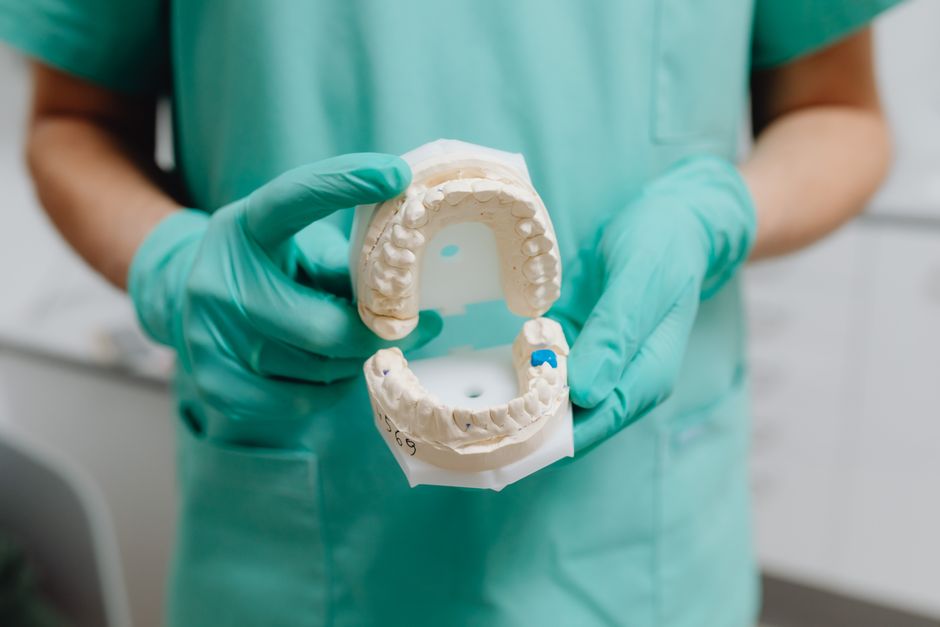
Crowded teeth happen when there isn’t enough room in the jaw for all the teeth to line up in a normal position. They overlap, twist, or get pushed forward or backward. This is one of the most common reasons people see an orthodontist, and it affects both children and adults.
The causes are a mix of genetics, jaw size, tooth size, and sometimes habits or tooth loss. Crowding isn’t just a cosmetic issue. Teeth that overlap are harder to clean, which raises the risk of cavities and gum disease. Treatment usually means braces or clear aligners, though the right approach depends on age, jaw growth, and how severe the crowding is.
What Are Crowded Teeth Causes Risks And Treatment?
Crowding is a mismatch between the size of the teeth and the space available in the jaw. When teeth are too large for the arch, or the arch is too small, they compete for position and overlap.
The most common causes include:
- Genetics. Jaw size and tooth size are inherited. A child can inherit large teeth from one parent and a small jaw from the other, which creates crowding.
- Jaw growth patterns. If the jaw doesn’t grow enough to accommodate all the permanent teeth, crowding develops as those teeth come in.
- Premature tooth loss. Losing a baby tooth early lets nearby teeth drift into the empty space. When the permanent tooth tries to come in, there’s no room.
- Late tooth loss. Baby teeth that stay too long can block permanent teeth from erupting in the right spot.
- Extra teeth. Some people develop more teeth than normal, which takes up space.
- Thumb sucking or pacifier use past age 4. Prolonged habits can affect how the jaw and teeth develop, though the effect varies.
- Mouth breathing. Chronic mouth breathing from allergies or nasal blockage is associated with changes in facial growth in children, though the evidence is not fully settled.
- Adult tooth loss. When an adult loses a tooth and it isn’t replaced, neighboring teeth can tilt and shift into the gap.
It’s worth separating two things people often confuse. Crowding can be dental (teeth too big for the jaw) or skeletal (the jaw itself is too small). The distinction matters because skeletal crowding may need different treatment than dental crowding.
Is Crowded Teeth Genetic?
Genetics plays a major role. Research consistently shows that jaw size and tooth size are strongly inherited traits.
But genetics isn’t the whole story. The rise in crowding over the past few centuries suggests environment matters too. Some researchers have proposed that softer, more processed diets changed how jaws develop, leading to smaller jaws over generations. That idea is plausible and has some support, but it remains debated among researchers.
What’s clear is this: if both parents had crowded teeth, their children are more likely to have it too. That doesn’t mean it’s guaranteed. It means the odds go up.
What Problems Do Crowded Teeth Cause?
Crowding makes teeth harder to clean, and that’s where most of the risk comes from. Overlapping teeth create tight spaces where a toothbrush and floss can’t reach well. Plaque builds up, and that raises the risk of cavities and gum disease.
Beyond cleaning difficulty, crowding can cause:
- Gum inflammation. Plaque trapped between crowded teeth irritates the gums, which can lead to gingivitis and, over time, periodontitis.
- Tooth decay. Hard-to-reach areas are more likely to develop cavities.
- Uneven wear. Teeth that don’t meet properly can wear down faster in certain spots.
- Jaw discomfort. Some people with crowding report jaw pain or clicking, though the link isn’t always direct.
- Impacted teeth. A tooth that can’t erupt into its proper place can get stuck, which is common with wisdom teeth.
- Speech or chewing issues. Less common, but severe crowding can affect how a person bites or speaks.
One clarification worth making: crowding itself doesn’t guarantee these problems. Many people with mild crowding never develop cavities or gum disease. The risk goes up, but it depends on how well someone cleans their teeth and other factors.





How Is Crowded Teeth Treated?
Treatment depends on age, the cause, and how severe the crowding is. The goal is usually to create space and align the teeth.
Common options include:
- Braces. Traditional metal or ceramic braces apply steady pressure to move teeth into place. They work for most cases and are the standard for complex crowding.
- Clear aligners. Removable trays that shift teeth gradually. They work well for mild to moderate crowding but may not be suitable for severe cases or skeletal issues.
- Palatal expanders. Used mostly in children whose jaw is still growing. The device widens the upper jaw to create space.
- Tooth extraction. Sometimes removing one or more teeth creates the room needed to align the rest. This is more common in severe crowding.
- Interproximal reduction (IPR). A small amount of enamel is removed from the sides of teeth to create space. Used for mild crowding.
- Retainers. After treatment, retainers keep teeth from shifting back. This is a long-term commitment, often permanent.
Timing matters. For children, treatment often starts while the jaw is still growing, which can make some corrections easier. For adults, the jaw is done growing, so treatment focuses on moving teeth within the existing space. Adults can still get excellent results, but skeletal changes aren’t possible without surgery.
Wisdom teeth are sometimes blamed for crowding, but the evidence here is mixed. Some studies suggest wisdom teeth don’t cause late crowding in the front teeth, while others leave the question open. Many orthodontists no longer assume wisdom teeth are the cause.
Can Crowded Teeth Be Prevented?
You can’t prevent genetic crowding. If the jaw is too small for the teeth, that’s built in.
But some causes are manageable. Regular dental checkups can catch problems early. If a baby tooth is lost too soon, a space maintainer can keep the gap open so permanent teeth come in correctly. If a child has a thumb-sucking habit past age 4, addressing it may reduce the risk of dental changes.
For adults, replacing a lost tooth with an implant or bridge can help prevent neighboring teeth from shifting.
Early evaluation by a dentist or orthodontist is often recommended, especially if a child shows signs of crowding. The American Association of Orthodontists suggests a first checkup by age 7, though not all children need treatment at that age. The point is to catch issues while options are widest.
When Should You See a Dentist or Orthodontist?
See a dentist if you notice overlapping teeth, difficulty flossing, or frequent gum inflammation. For children, a first orthodontic checkup around age 7 is a common recommendation, even if no treatment is needed yet.
Adults with crowded teeth should also get evaluated. Crowding doesn’t go away on its own, and the cleaning challenges it creates can lead to problems over time. It’s never too late to address it, though treatment may take longer or require different approaches than in childhood.
If you have jaw pain, clicking, or trouble chewing, mention it. Those symptoms can have causes beyond crowding, and a dentist can help sort out what’s going on.
Frequently Asked Questions
What causes crowded teeth?
Crowded teeth are caused by a mismatch between tooth size and jaw size, which is mostly genetic. Other causes include early or late loss of baby teeth, extra teeth, and prolonged thumb sucking.
Are crowded teeth a health risk?
Yes, crowded teeth are harder to clean, which raises the risk of cavities and gum disease. The risk depends on how well you can reach the tight spaces between teeth.
Can crowded teeth be fixed without braces?
Mild crowding can sometimes be treated with clear aligners or by removing a small amount of enamel. Severe crowding usually needs braces or extractions.
Do wisdom teeth cause crowding?
The evidence is mixed. Some studies suggest wisdom teeth don’t cause late crowding in front teeth, while others leave the question open. Many orthodontists no longer assume wisdom teeth are the cause.
