
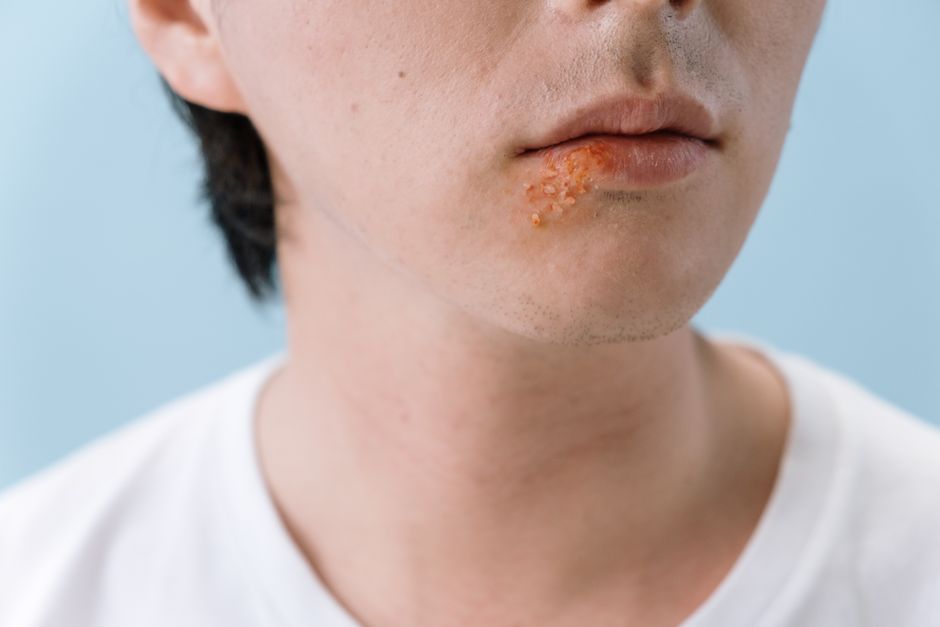
Cold sores are small, fluid-filled blisters that form on or around the lips and mouth. They are caused by the herpes simplex virus (HSV), most commonly HSV type 1. Once you have the virus, it stays in your body for life and can cause sores to reappear from time to time.
What Are Cold Sores and What Causes Them?
Cold sores are a direct result of infection with the herpes simplex virus. HSV-1 is the strain responsible for most cold sores, though HSV-2 (typically linked to genital herpes) can also cause them. The virus enters the body through a break in the skin near the mouth. After the first infection, the virus travels to nerve cells near the cheekbone and stays there, inactive.
Many people get the virus as children, often from a kiss from an infected adult. The CDC reports that about 50-80% of American adults carry HSV-1. Most of them never get a cold sore or have only one mild outbreak. The virus can reactivate when certain triggers put stress on your body or immune system.
What Are the First Signs of a Cold Sore?
The first outbreak is usually the worst. Symptoms can include fever, swollen lymph nodes, and painful blisters inside and outside the mouth. This initial episode can last up to two weeks. After that, the virus goes dormant.
Recurring cold sores follow a predictable pattern. Most people feel a tingling, burning, or itching sensation at the spot where the blister will form. This is called the prodrome stage and happens 12 to 24 hours before the sore appears. The blister forms, breaks open, crusts over, and heals. A typical recurrence lasts 7 to 10 days.
Some people report triggers that seem to bring on a cold sore. Common ones include illness like a cold or flu, too much sun exposure, stress, fatigue, and hormonal changes from menstruation. Strong evidence for each trigger is mixed, but many people find their own pattern.
How Do Cold Sores Spread?
Cold sores are highly contagious. The virus spreads through direct contact with the blister or the fluid inside it. That means kissing, sharing utensils, sharing lip balm, or touching the sore and then touching someone else. You can also spread the virus to other parts of your own body, like your eyes or genitals, by touching a sore and then touching those areas.
You are most contagious when the blister is present and leaking fluid. But the virus can also spread even when no sore is visible. This is called asymptomatic shedding. Research published in the Journal of the American Academy of Dermatology found that HSV-1 can be present on the skin without any symptoms, especially in the first year after an initial infection.




What Actually Treats Cold Sores?
Treatment options fall into two categories: antiviral medications and home care. Antiviral drugs are the only treatments with strong clinical evidence behind them. They do not kill the virus or remove it from your body. They stop the virus from multiplying, which shortens the outbreak and reduces symptoms.
| Treatment | How It Works | Evidence Strength |
|---|---|---|
| Prescription antivirals (acyclovir, valacyclovir, famciclovir) | Stop virus from replicating | Strong — multiple clinical trials |
| Over-the-counter creams (docosanol) | Blocks virus from entering cells | Moderate — some studies show modest benefit |
| Home remedies (ice, aloe, tea tree oil, lysine) | Various proposed mechanisms | Weak — some people report relief, but clinical evidence is limited or conflicting |
Prescription antivirals work best when taken at the first sign of tingling. They can reduce healing time by one to two days. Some people take them daily as suppressive therapy to prevent outbreaks. This is more common for people who have frequent or severe episodes. The American Academy of Dermatology recommends antiviral treatment for people with more than six outbreaks per year.
What Should You Not Do With a Cold Sore?
Do not pick at or pop the blister. This can spread the virus to other parts of your face and increase the risk of a bacterial infection. It also slows healing. Keep your hands away from your face as much as possible.
Do not share personal items while you have an active sore. This includes towels, razors, lip products, and toothbrushes. The virus can survive on surfaces for a short time. Do not kiss anyone, especially infants, people with weakened immune systems, or anyone with eczema. People with eczema can get a severe, widespread infection called eczema herpeticum.
Do not believe every claim you see online. Some social media posts suggest putting toothpaste, nail polish remover, or bleach on a cold sore. As of 2026, there is no clinical evidence that any of these work. They can damage your skin and make the problem worse. Stick with treatments that have actual research behind them.
Can You Prevent Cold Sores?
You cannot completely prevent cold sores if you already carry the virus. But you can reduce how often they happen. The most effective strategy is identifying your personal triggers and avoiding them. If sun causes outbreaks, use lip balm with SPF 30 or higher daily. If stress is your trigger, finding a consistent way to manage it may help.
Some studies suggest that daily antiviral medication can reduce outbreak frequency by 70-80% in people with frequent recurrences. This is a decision to make with your doctor. Lysine supplements are widely claimed to prevent cold sores, but the evidence is mixed. A 2023 review in the journal Nutrients found that while some small studies show a benefit, larger, better-designed trials are needed to confirm any preventive effect.
One non-obvious point: your immune system matters more than most people realize. Sleep deprivation, poor nutrition, and chronic stress all suppress immune function. Keeping your immune system strong is not a guarantee against cold sores, but it is one of the few things within your control that might help.
Common Misconceptions About Cold Sores
Cold sores are not the same as canker sores. Canker sores are small ulcers inside the mouth on soft tissue like the inside of the cheek. They are not contagious and are not caused by the herpes virus. Cold sores are blisters on the outside of the mouth or on the lips, and they are contagious.
Having a cold sore does not mean you have poor hygiene. The virus spreads through close contact, not through being dirty. Many healthy, clean people get cold sores. It is a common infection, not a sign of neglect.
You cannot cure the virus. No treatment removes HSV-1 from your body. Any product or clinic that claims to cure herpes is making a false claim. The FDA has not approved any cure. Antiviral drugs manage symptoms and reduce outbreaks, but they do not eliminate the virus.
Frequently Asked Questions
Are cold sores contagious when no blister is visible?
Yes, the virus can spread through asymptomatic shedding even when no sore is present, though the risk is lower than when a blister is active.
How long does a cold sore last without treatment?
A typical cold sore lasts 7 to 10 days from the first tingle to complete healing without any treatment.
Can you get cold sores from sharing a drink?
Yes, the virus can transfer through saliva on shared cups, straws, or bottles if the person with the virus has an active sore or is shedding the virus.
What is the difference between HSV-1 and HSV-2?
HSV-1 usually causes cold sores around the mouth, while HSV-2 usually causes genital herpes, though either virus can infect either area.
