
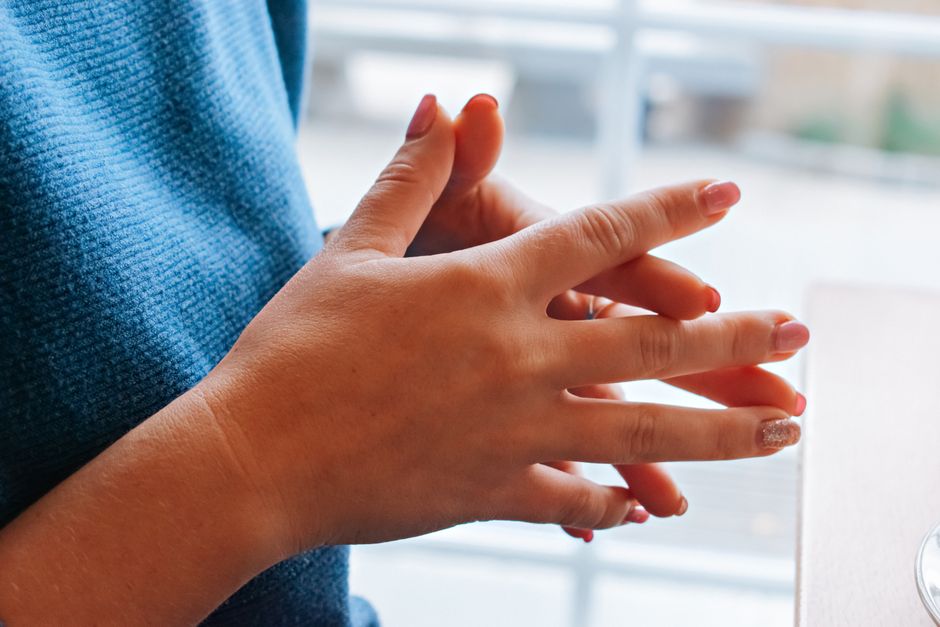
Cold hands are often just your body’s normal response to a chilly room or a drop in temperature. Your blood vessels narrow to keep heat near your core, which is a survival trick that has kept humans alive for a long time. But when your hands stay cold for no clear reason, or when one hand is cold and the other is not, it can be a signal that something else is going on. This article covers what cold hands might mean, when it is just normal, and when it is worth a conversation with your doctor.
What Actually Causes Cold Hands?
Your body is designed to protect your vital organs first. When temperatures drop, blood vessels in your hands and feet constrict, which is called vasoconstriction. This sends more warm blood to your heart, lungs, and brain. It is a smart system, but it leaves your fingers and toes feeling cold.
For most people, this is temporary. Once you warm up, your hands return to normal. But for others, the blood vessels overreact. They clamp down too hard or too often. This can happen even in mild temperatures, and that is when cold hands become more than just a reaction to weather.
Your circulation, nervous system, and hormone levels all play a role. If any of these systems are off, your hands may stay cold when they should not.
What Are Cold Hands A Sign Of in Terms of Health Conditions?
Cold hands can be a sign of several health conditions. Some are common and easily treated. Others require more attention. Here are the main ones that research has identified.
Raynaud’s phenomenon is one of the most common causes. This condition causes small blood vessels in your fingers and toes to spasm and narrow dramatically. It is often triggered by cold or stress. Your fingers may turn white, then blue, then red as blood flow returns. According to the National Institutes of Health, Raynaud’s affects about 5 percent of the U.S. population. Women are more likely to have it than men.
Anemia is another possible cause. When your red blood cell count is low, your body has less oxygen to deliver to your tissues. This can make you feel cold all over, but especially in your hands and feet. Iron deficiency is the most common type of anemia. The CDC reports that nearly 6 percent of Americans have iron deficiency anemia.
Hypothyroidism slows down your metabolism. Your thyroid gland controls how your body uses energy. When it is underactive, your body produces less heat. Cold hands and feet are a classic symptom. The American Thyroid Association estimates that about 4.6 percent of the U.S. population has hypothyroidism, and many do not know it.
Peripheral artery disease (PAD) narrows the arteries that carry blood to your limbs. This is more common in older adults and in people who smoke or have diabetes. Cold hands or feet, along with leg pain during walking, are common signs. The American Heart Association states that PAD affects 8 to 12 million Americans.
Diabetes can damage nerves and blood vessels over time, which may cause cold hands. Poorly controlled blood sugar levels can lead to peripheral neuropathy, which affects sensation and circulation.
When Are Cold Hands a Normal Response?
It is completely normal to have cold hands when you step outside in winter or walk into an air-conditioned room. Your body is doing exactly what it should. The problem is not the cold hands. The problem is when they do not warm up after you get back to a normal temperature.
Cold hands are also normal if you are feeling anxious or stressed. Your body’s fight-or-flight response diverts blood to your muscles and vital organs, away from your skin. This is temporary and should resolve once you feel calm again.
If you are tired, dehydrated, or have not eaten in a while, your body may conserve energy by reducing blood flow to your hands. These are all normal and reversible situations.
One rule of thumb: if your hands get cold only in cold environments and warm up quickly when you do, there is likely nothing to worry about. If they stay cold for long periods or turn colors, that is worth noting.





What Does Research on Cold Hands Show About Circulation?
Research published in the Journal of Applied Physiology has shown that women tend to have colder hands than men. This is not because women have poorer circulation. It is because women typically have a higher surface-area-to-mass ratio, which means they lose heat faster. Their bodies also tend to prioritize keeping the core warm more aggressively.
One study from the University of Utah found that women’s hands are, on average, about 3 degrees Fahrenheit colder than men’s hands in the same environment. This is a normal difference, not a sign of disease.
Another area of research focuses on blood viscosity. Thicker blood moves more slowly through small vessels. Dehydration, high cholesterol, and certain blood disorders can increase viscosity. Some studies suggest that people with persistently cold hands may have slightly higher blood viscosity, though this is not a proven cause for everyone.
What Are the Signs That Cold Hands Need Medical Attention?
Most cold hands are harmless. But there are specific signs that should prompt a visit to your doctor. This table compares normal cold hands with signs that need attention.
| Normal Cold Hands | Signs That Need Medical Attention |
|---|---|
| Both hands equally cold | One hand is cold and the other is not |
| Warm up within minutes in a warm room | Stay cold for more than 30 minutes after warming |
| No color changes | Fingers turn white, blue, or purple |
| No pain or numbness | Pain, tingling, or numbness in the fingers |
| Only happen in cold environments | Happen in warm environments or for no clear reason |
| No skin changes | Skin cracks, ulcers, or sores on fingers |
If you have any of the signs in the right column, it is worth a checkup. Your doctor can run simple blood tests to check for anemia, thyroid function, and blood sugar levels. They may also check your blood pressure in your arms and legs to screen for peripheral artery disease.
What Helps Cold Hands at Home?
For most people, simple changes make a big difference. Here are strategies that work based on what we know about circulation and body temperature regulation.
- Layer your clothing. A warm core keeps blood flowing to your hands. Wear a base layer, an insulating layer, and a windproof outer layer in cold weather.
- Use hand warmers. Disposable or rechargeable hand warmers are effective and safe. They provide direct heat to your fingers.
- Stay hydrated. Dehydration thickens your blood slightly, which can reduce circulation to your hands. Drink water throughout the day.
- Move your body. Walking, jogging, or even swinging your arms increases blood flow. Your hands often warm up after a few minutes of movement.
- Avoid nicotine and caffeine. Both can constrict blood vessels. Nicotine is a strong vasoconstrictor. Caffeine has a milder effect but can add up if you drink several cups a day.
- Wear mittens instead of gloves. Mittens keep your fingers together, which traps heat better than gloves do.
These strategies are not cures for underlying conditions. But they are safe, low-cost, and often enough to manage cold hands in daily life.
What to Avoid When Dealing With Cold Hands
There is a lot of bad advice online about cold hands. Some of it is harmless but useless. Some of it can actually cause harm.
Avoid soaking your hands in hot water. If your hands are very cold, hot water can damage your skin and cause burns before you feel the heat. Warm water is safer. Rewarm your hands gradually.
Avoid alcohol as a warming strategy. Alcohol makes you feel warm because it sends blood to your skin. But that blood is leaving your core, which actually drops your body temperature. The CDC warns that alcohol increases the risk of hypothermia in cold environments.
Avoid vibrating tools. People with Raynaud’s or circulation issues should limit exposure to vibrating power tools. The vibration can trigger blood vessel spasms and make cold hands worse.
Avoid supplements that claim to cure cold hands. As of 2026, there is no clinical evidence that any supplement reliably improves circulation to the hands for most people. Some people report benefits from niacin or fish oil, but strong evidence is limited. Do not take high doses of any supplement without talking to your doctor first.
When a Doctor Might Prescribe Treatment
If your cold hands are caused by an underlying condition, treating that condition usually resolves the symptom. For anemia, iron supplements often help. For hypothyroidism, thyroid hormone replacement is effective. For diabetes, better blood sugar control can improve circulation over time.
For Raynaud’s phenomenon that is severe, doctors may prescribe medications called calcium channel blockers. These relax blood vessels and reduce the frequency of attacks. A 2017 review in the Cochrane Database of Systematic Reviews found that calcium channel blockers reduce the severity of Raynaud’s attacks by about 35 percent on average. These are prescription medications, not over-the-counter options.
For peripheral artery disease, treatment focuses on lifestyle changes, managing cholesterol and blood pressure, and sometimes medications to improve blood flow. In advanced cases, procedures to open narrowed arteries may be needed.
Frequently Asked Questions
Can anxiety cause cold hands?
Yes, anxiety triggers the fight-or-flight response, which diverts blood away from your hands to your muscles. This is temporary and should resolve when you feel calm.
Are cold hands a sign of high blood pressure?
Not directly. High blood pressure usually has no symptoms. However, some blood pressure medications can cause cold hands as a side effect.
What vitamin deficiency causes cold hands?
Iron deficiency anemia is the most common deficiency linked to cold hands. Vitamin B12 deficiency can also cause circulation issues in some cases.
Can dehydration cause cold hands?
Yes, dehydration can thicken your blood slightly, which reduces circulation to your hands. Drinking water often helps.
