
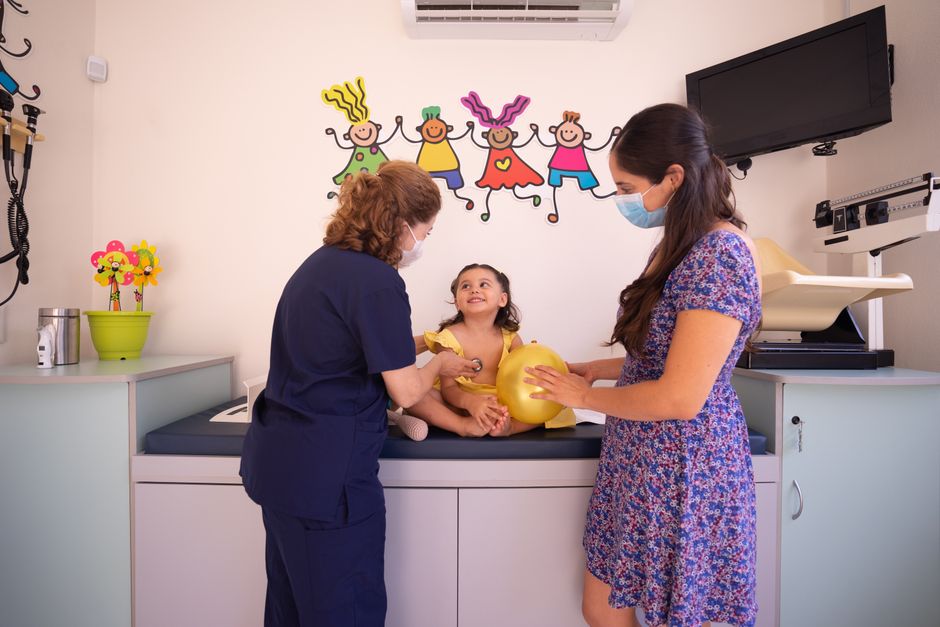
When a child is in the hospital, fear and confusion can be as hard to manage as the medical condition itself. Child life services are programs staffed by trained professionals who help children and families cope with the emotional and developmental stress of illness, injury, and medical treatment. They use play, preparation, and education to reduce anxiety, support understanding, and help kids feel some sense of control during a frightening experience.
What Are Child Life Services And How Do They Help?
Child life services are provided by child life specialists — professionals with college degrees, often in child development, psychology, or a related field, plus supervised clinical experience. Many hold certification through the Association of Child Life Professionals. They work in hospitals, clinics, and other healthcare settings as part of the care team.
The core idea is straightforward. Illness and hospitalization disrupt normal development. Children lose routine, autonomy, and contact with friends and school. They encounter unfamiliar people, strange equipment, and painful procedures. Child life specialists address that disruption directly.
They do this in several ways:
- Medical play — using dolls, toy medical kits, and real (safe) equipment to let children explore what will happen to them
- Procedure preparation — explaining a test or surgery in words and concepts a child can understand, matched to their age
- Distraction and coping strategies — breathing exercises, blowing bubbles, music, or guided imagery during painful procedures
- Support for siblings — helping brothers and sisters understand what is happening and express their own feelings
- Normalized play — creating chances for ordinary play, which supports development and reduces stress
- Family support — helping parents understand their child’s behavior and find ways to comfort them
These services are not therapy in the mental health counseling sense, though child life specialists often work alongside psychologists, social workers, and psychiatrists. The role is educational and developmental — helping a child understand and cope with the medical world.
What Does a Child Life Specialist Actually Do During a Hospital Stay?
On a typical day, a child life specialist might prepare a 6-year-old for an MRI using a toy scanner and a story about what the machine does. They might sit with a teenager during a blood draw, using conversation and breathing to reduce distress. They might help a parent understand why their toddler is acting out after a procedure.
Preparation is a big part of the work. Research consistently shows that children who receive developmentally appropriate preparation before medical procedures tend to show less anxiety and distress than children who do not. The preparation is tailored — a 4-year-old gets simple, concrete language and play. A 12-year-old gets more detail and a chance to ask questions.
During procedures, child life specialists use distraction and coping techniques. This is not about tricking a child. It is about giving them tools to manage a stressful moment. Some hospitals also use these techniques to reduce the need for sedation in certain situations, though that depends on the procedure and the child.
After a procedure, specialists help children process what happened. They might use play to let a child reenact the experience, which can help them make sense of it.
Who Benefits From Child Life Services?
Children of all ages can benefit, but the approach changes with development.
Infants and toddlers cannot understand explanations. Child life specialists focus on comfort, routine, and helping parents stay involved. They may also help with feeding and soothing strategies in the hospital.
Preschoolers often have magical thinking — they may believe they caused their illness or that a procedure is a punishment. Specialists use simple words and play to correct these ideas and reduce fear.
School-age children can understand more detailed explanations. They often worry about missing school, losing friends, or falling behind. Specialists help them stay connected and understand their treatment.
Teenagers want privacy, control, and respect. They may be dealing with body image concerns, peer separation, and questions about their future. Child life specialists help them advocate for themselves and stay involved in decisions when possible.
Siblings also benefit. A brother or sister may feel scared, jealous, or forgotten. Child life specialists can explain what is happening and give siblings a safe place to express their feelings.





Does Child Life Services Actually Reduce Anxiety and Improve Outcomes?
The evidence here is not uniform. Some studies show clear benefits. Others show smaller effects or mixed results. The picture is more nuanced than marketing materials sometimes suggest.
What is well established: preparation and distraction techniques can reduce distress during procedures. This is supported by decades of research in pediatric psychology. For example, studies have found that children who receive preparation before surgery tend to show less anxiety before and after the procedure compared to children who do not.
What is less clear: whether child life services shorten hospital stays, reduce the need for pain medication, or improve long-term psychological outcomes. Some studies suggest these benefits, but the evidence is not strong enough to state them as established facts.
One challenge is that child life services vary widely between hospitals. Some programs are robust, with specialists covering many units. Others are small or limited to certain departments. That makes it hard to compare outcomes across studies.
Another challenge is that children and families are different. A child who is naturally anxious may benefit more than a child who is calm. A parent who is highly stressed may need more support than one who is not. The effect depends on the situation.
What can be said with confidence: child life specialists fill a real gap in medical care. They address the emotional and developmental needs that doctors and nurses often do not have time to focus on. That alone has value, even where hard outcome data is limited.
How Do Child Life Services Differ From Other Hospital Support Roles?
Hospitals have several roles that can sound similar. It helps to know the differences.
| Role | Focus | Typical Training |
|---|---|---|
| Child life specialist | Developmental and emotional support through play, preparation, and education | Bachelor’s degree in child development or related field, clinical internship, often certification |
| Pediatric psychologist | Mental health assessment and treatment, including therapy for anxiety, depression, and trauma | Doctoral degree in psychology, licensure |
| Social worker | Family resources, discharge planning, financial and community support | Master’s degree in social work, licensure |
| Child psychiatrist | Diagnosis and medication management for mental health conditions | Medical degree plus psychiatric residency |
These roles often overlap. A child life specialist might notice a child showing signs of anxiety that needs a psychologist’s attention. A social worker might help a family find transportation to appointments. The best care happens when these professionals communicate.
One non-obvious point: child life specialists are not trained to provide psychotherapy. If a child needs treatment for a mental health condition, that requires a licensed mental health professional. Child life services support coping and understanding — they are not a substitute for therapy.
How Can Families Access Child Life Services?
Most children’s hospitals in the United States have child life programs. Many general hospitals with pediatric units also have them, though coverage may be limited to certain hours or departments.
If your child is in the hospital, you can ask a nurse or doctor if a child life specialist is available. You do not need a referral in most cases — you can request a visit directly.
If your child has an upcoming procedure, ask if preparation services are available. Some hospitals offer pre-surgery tours or preparation sessions led by child life specialists. These can be especially helpful for children who are anxious or have never had surgery before.
If your hospital does not have child life services, ask what support is available. Some hospitals have volunteers or nursing staff who provide similar support, though they may not have the same training.
For families in outpatient settings, child life services may be available in clinics that treat chronic conditions like cancer, diabetes, or sickle cell disease. Ask your care team what is offered.
Frequently Asked Questions
What is the difference between a child life specialist and a therapist?
A child life specialist focuses on developmental and emotional support through play, preparation, and education. A therapist is a licensed mental health professional who provides treatment for conditions like anxiety, depression, or trauma.
Do child life services cost extra?
In most hospitals, child life services are part of the standard care provided and are not billed separately to families. It is best to confirm with your hospital’s billing department if you have concerns.
Can child life specialists help with needle anxiety?
Yes, they often use distraction, breathing techniques, and preparation to help children cope with needle procedures. The evidence supports these techniques for reducing distress during procedures.
Are child life services only for children who are hospitalized?
No, child life specialists also work in outpatient clinics, emergency departments, and some community settings. They support children facing a range of medical experiences, not just overnight stays.
