
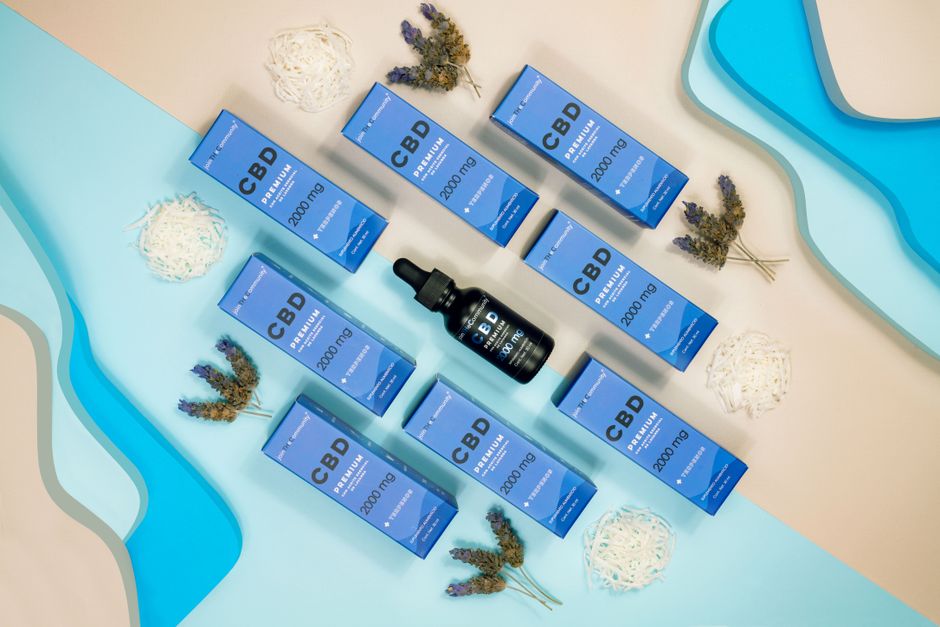
Hemp-derived delta-9 products are sold legally across much of the United States, and many people assume that means they are safe. That assumption is not supported by the evidence. These products can produce the same intoxicating and impairing effects as marijuana, and because they are lightly regulated, the dose printed on the label may not match what is actually in the bottle.
Is hemp derived delta 9 safe side effects risks? The honest answer: hemp-derived delta-9 THC is chemically the same intoxicating compound found in marijuana, so its real risks are the same — impairment, anxiety, rapid heart rate, and in rare cases severe reactions. The added concern is that legal hemp products are not held to the same testing and labeling standards as regulated cannabis, so what you actually consume may differ from what the label claims.
Is Hemp Derived Delta 9 the Same Drug as Marijuana?
Yes. Delta-9 tetrahydrocannabinol is delta-9 tetrahydrocannabinol. The molecule does not change based on whether it came from a hemp plant or a marijuana plant.
The difference between hemp and marijuana is legal, not chemical. Under US federal law, hemp is defined as cannabis containing no more than 0.3 percent delta-9 THC by dry weight. Marijuana is cannabis above that threshold. Both plants can contain dozens of other compounds, including other cannabinoids, but the primary intoxicating agent in both is delta-9 THC.
What has changed is how hemp-derived THC reaches consumers. Manufacturers extract THC from hemp material and concentrate it. A tincture, gummy, or vape cartridge can contain a meaningful THC dose even though the plant it came from was legally “hemp.” The starting material was low in THC. The finished product does not have to be.
What Are the Known Side Effects of Delta-9 THC?
The side effects of delta-9 THC are well documented from decades of cannabis research. They are dose-dependent, meaning smaller amounts tend to cause milder effects and larger amounts cause more.
Common effects include:
- Euphoria or a “high” feeling
- Impaired short-term memory and concentration
- Slowed reaction time
- Dry mouth and red eyes
- Increased heart rate
- Anxiety, paranoia, or panic — more common at higher doses
- Drowsiness or, in some people, restlessness
- Nausea or, less often, vomiting
Less common but more serious effects include severe anxiety or panic attacks, and in susceptible people, temporary psychotic symptoms such as hallucinations or delusions. These reactions are more likely with high doses, with edible products, and in people with a personal or family history of psychosis.
One point that surprises many people: edible THC products cause stronger and longer-lasting effects than inhaled THC. When you smoke or vape, effects begin within minutes. When you eat a gummy or tincture, the THC is processed through the liver, and effects can take one to several hours to appear. That delay is why people sometimes take more because they “don’t feel anything yet” — and then get far more than they intended.
Is Hemp Derived Delta 9 Safe Side Effects Risks?
There is no single answer to whether these products are safe, because safety depends on the dose, the person, and the product. What is clear is that hemp-derived delta-9 carries the same risks as any other delta-9 THC product, and it carries additional risks from weak regulation.
Groups at higher risk of problems include:
- People under 21, whose developing brains are more vulnerable to THC effects
- Pregnant or breastfeeding people — THC crosses the placenta and enters breast milk, and no safe level of use during pregnancy or breastfeeding has been established
- People with a history of psychosis or bipolar disorder
- People with heart conditions, since THC raises heart rate and can affect blood pressure
- People taking medications that interact with THC
- Anyone who drives, operates machinery, or makes safety-critical decisions
For healthy adults who choose to use these products, the main risks are impairment and overconsumption. Impairment is not a minor concern. Driving under the influence of THC is illegal in every state and increases crash risk.





Why Is Labeling a Problem With Hemp Products?
The legal hemp market is not regulated the way pharmaceuticals or state-licensed cannabis are. Testing requirements vary by state, and many products reach shelves with little independent verification.
Studies have found that a substantial share of hemp-derived cannabinoid products do not contain the amount of THC stated on the label, and some contain more. Products have also been found to contain contaminants or unlisted cannabinoids. This is not a hypothetical concern — it is a documented pattern across multiple product categories.
What this means practically: you cannot assume a 10 mg gummy delivers exactly 10 mg. It might deliver less. It might deliver considerably more. For people who are sensitive to THC, that uncertainty is itself a risk.
There is no federal requirement that hemp-derived delta-9 products be tested for potency or purity before sale. Some manufacturers voluntarily test and publish certificates of analysis. That is a meaningful signal of quality control, but it is voluntary, and it does not guarantee the product is safe for you personally.
How Does Hemp-Derived Delta 9 Compare to CBD?
CBD and delta-9 THC are different compounds with different effects. CBD is not intoxicating in the way THC is. Hemp-derived delta-9 THC is intoxicating, particularly in the concentrated forms sold online and in shops.
This distinction matters because many consumers encounter “hemp” products marketed for relaxation and assume they are all non-intoxicating. Some hemp products are. Some are not. A product labeled as hemp-derived delta-9 is in the intoxicating category.
What About Drug Testing and Legal Status?
Delta-9 THC and its metabolites are what standard drug tests look for. Using hemp-derived delta-9 can cause a positive result on a workplace, athletic, or legal drug test, even if the product was legal where you bought it.
The legal picture is also unsettled. Federal law permits hemp containing no more than 0.3 percent delta-9 THC by dry weight, but how that applies to concentrated finished products has been debated, and some states have moved to restrict or ban intoxicating hemp-derived cannabinoids. Rules vary widely by state and continue to change.
What Should You Do If You Have a Bad Reaction?
Most unpleasant THC reactions — anxiety, racing heart, nausea — peak within a few hours and ease on their own. Staying calm, resting in a quiet place, and avoiding more of the product are reasonable steps.
Seek medical help if you experience chest pain, severe or persistent vomiting, confusion, hallucinations, fainting, or difficulty breathing. If a child has consumed a THC product, treat it as an emergency and contact poison control or emergency services immediately. Keep the product packaging if you can, so clinicians know what was taken.
One thing to know: there is no antidote for THC. Treatment for severe reactions is supportive care, which is why avoiding overconsumption matters so much.
What Is the Bottom Line?
Hemp-derived delta-9 THC is not a gentler version of marijuana. It is the same intoxicating compound, and it carries the same risks — impairment, anxiety, elevated heart rate, and in vulnerable people, more serious psychiatric effects. The added layer of risk is regulatory: inconsistent testing, unreliable labels, and a patchwork of state rules.
For people who choose to use these products, the practical steps that reduce risk are starting with a small amount, waiting several hours before taking more (especially with edibles), avoiding use before driving, and choosing products from manufacturers that publish independent lab results. None of these steps makes the product risk-free. They reduce the chance of a bad outcome.
Frequently Asked Questions
Is hemp-derived delta 9 the same as THC?
Yes, hemp-derived delta-9 THC is the same molecule as the THC found in marijuana. The difference between hemp and marijuana is a legal threshold based on THC concentration in the plant, not a difference in the compound itself.
Can hemp-derived delta 9 make you fail a drug test?
Yes, standard drug tests detect delta-9 THC and its metabolites regardless of whether the product was labeled hemp. Using these products can produce a positive result on workplace, athletic, or legal testing.
How long do hemp-derived delta 9 effects last?
Inhaled THC effects typically begin within minutes and last a few hours, while edible THC takes one to several hours to peak and can last longer. The exact duration varies by dose, product type, and individual factors.
Is hemp-derived delta 9 safe during pregnancy?
No safe level of THC use during pregnancy or breastfeeding has been established. THC crosses the placenta and enters breast milk, and major medical organizations advise against cannabis use during pregnancy and breastfeeding.
