

Hormonal imbalance happens when your body makes too much or too little of a specific hormone. Even a tiny change can have a big effect on your body. The causes range from natural life stages like puberty and menopause to medical conditions, medications, and lifestyle factors.
What Are Causes Of Hormonal Imbalance?
Hormones are chemical messengers. They travel through your bloodstream to tissues and organs. They control most of your body’s major processes, including metabolism, reproduction, mood, and sleep. When your glands produce too much or too little of any hormone, that is a hormonal imbalance.
Some causes are a normal part of life. Others signal an underlying health problem. Understanding the cause matters because treatment depends on it.
What Are the Most Common Medical Causes?
Several medical conditions directly affect hormone production. These are the ones doctors look for first when you have symptoms.
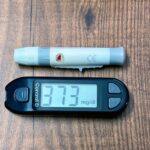
Diabetes is the most common hormonal disorder. It involves insulin, the hormone that controls blood sugar. In type 1 diabetes, the pancreas makes little or no insulin. In type 2 diabetes, the body stops responding to insulin properly.
Thyroid disorders are also very common. Hypothyroidism means the thyroid produces too little thyroid hormone. Hyperthyroidism means it produces too much. Both can affect weight, energy, body temperature, and heart rate.
Polycystic ovary syndrome (PCOS) affects women of reproductive age. It involves higher-than-normal levels of androgens, which are male sex hormones. PCOS can cause irregular periods, acne, weight gain, and fertility problems.
Other medical causes include:
- Cushing’s syndrome — too much cortisol from the adrenal glands
- Addison’s disease — too little cortisol and aldosterone
- Hypogonadism — low sex hormone production in men or women
- Pituitary tumors — can disrupt multiple hormone pathways at once
Kidney and liver disease can also alter hormone levels. These organs help process and clear hormones from the body. When they do not work well, hormone levels can drift out of range.
How Do Natural Life Stages Affect Hormones?
Hormone levels naturally shift throughout life. These shifts are expected. They are not always a sign of disease.
Puberty is the first major hormonal shift. The hypothalamus signals the pituitary gland to release hormones. These trigger the ovaries and testes to produce estrogen and testosterone. This causes physical changes like breast development, voice deepening, and growth spurts.
Pregnancy creates dramatic hormonal changes. Estrogen and progesterone rise sharply. The placenta produces human chorionic gonadotropin (hCG). Thyroid hormone requirements also change during pregnancy. Many women experience temporary thyroid or blood sugar issues that resolve after delivery.
Perimenopause and menopause involve a gradual decline in estrogen and progesterone. Perimenopause can start in a woman’s 40s. Periods become irregular. Hot flashes, night sweats, and sleep problems are common. Menopause is confirmed after 12 consecutive months without a period.
Andropause is the gradual decline in testosterone that occurs in men. This usually begins around age 30 and continues slowly. Unlike menopause, it is not a universal event. Many men never experience significant symptoms.
These natural changes are not imbalances in the disease sense. They are expected physiological transitions. The distinction matters because treatment goals differ.




What Role Do Medications Play?
Some medications intentionally change hormone levels. Others do so as a side effect.
Birth control pills contain synthetic estrogen and progestin. They work by suppressing ovulation. They can improve acne and regulate periods. But they can also cause mood changes, breast tenderness, and reduced libido in some women.
Corticosteroids like prednisone treat inflammation. They mimic cortisol. Long-term use can suppress the adrenal glands’ natural cortisol production. Stopping these medications abruptly can be dangerous because the body cannot respond to stress properly.
Hormone replacement therapy (HRT) is used during menopause to replace declining estrogen. It is also used in transgender care. HRT can relieve symptoms like hot flashes and prevent bone loss. It also carries risks, including blood clots and certain cancers, which is why doctors prescribe the lowest effective dose.
Certain psychiatric medications can affect hormone levels. Some antidepressants and antipsychotics can increase prolactin. High prolactin can cause irregular periods, breast milk production outside of pregnancy, and reduced sex drive.
Opioid pain medications can suppress testosterone and estrogen production. This can lead to low libido, fatigue, and depression.
If you suspect a medication is causing symptoms, do not stop it on your own. Talk to your doctor about alternatives or dose adjustments.
How Do Lifestyle Factors Contribute?
Lifestyle choices can influence hormone levels. The effects are usually reversible. But they can be significant.
Chronic stress keeps cortisol elevated. Prolonged cortisol elevation can disrupt sleep, increase appetite, and interfere with reproductive hormones. Stress alone rarely causes a severe imbalance, but it can worsen existing ones.
Poor sleep affects multiple hormones. Sleep deprivation lowers testosterone in men. It also disrupts the balance of ghrelin and leptin, the hormones that control hunger and fullness. This is why poor sleep is linked to weight gain.
Extreme exercise can suppress reproductive hormones. Female athletes sometimes stop having periods when training volume is very high. This is called functional hypothalamic amenorrhea. It happens because the body perceives intense exercise as a stressor and conserves energy by shutting down reproduction.
Obesity alters hormone levels in several ways. Fat tissue produces estrogen. Higher body fat can mean higher estrogen levels. Obesity is also linked to insulin resistance, which disrupts blood sugar control.
Very low body weight can also cause problems. Fat tissue is needed for estrogen production. Women who are severely underweight may stop menstruating.
What About Diet and Environmental Exposures?
Diet affects hormone production because hormones are built from nutrients. Cholesterol is the building block for steroid hormones like estrogen, testosterone, and cortisol. Severely restrictive diets that eliminate all fats can reduce hormone production.
Iodine is required for thyroid hormone production. The body cannot make thyroid hormone without it. Iodine deficiency is rare in the United States because table salt is iodized. But it still occurs in some populations.
Certain foods contain compounds that mimic or block hormones. Soy contains phytoestrogens, which are plant compounds that bind to estrogen receptors. The evidence on soy is mixed. Some studies suggest protective effects against breast cancer. Others raise questions about thyroid function. Most research indicates that moderate soy consumption is safe for healthy adults.
Endocrine-disrupting chemicals are substances that interfere with hormone systems. These include:
- Bisphenol A (BPA) — found in some plastics and food can linings
- Phthalates — found in fragrances, cosmetics, and flexible plastics
- PFAS — found in non-stick cookware and stain-resistant fabrics
- Some pesticides and herbicides
Animal studies show these chemicals can affect reproduction and thyroid function. Human evidence is less clear. A direct cause-and-effect link between everyday exposure and clinical hormone imbalance has not been firmly established. The research is ongoing.
When Should You See a Doctor?
Hormonal imbalance symptoms vary depending on which hormone is affected. Common signs include:
- Unexplained weight gain or loss
- Fatigue that does not improve with rest
- Irregular or absent periods
- Hair loss or thinning
- Acne that appears suddenly
- Mood swings, anxiety, or depression
- Changes in sex drive
- Heat intolerance or cold intolerance
These symptoms are not specific. Many conditions cause them. That is why self-diagnosis is unreliable. A doctor can order blood tests to check specific hormone levels.
Testing usually depends on your symptoms. A thyroid panel checks TSH, T3, and T4. A fasting glucose test checks for diabetes. Sex hormone tests check estrogen, testosterone, and progesterone. Your doctor will decide which tests are appropriate.
Some hormone tests need to be timed. For example, progesterone is measured on a specific day of the menstrual cycle. Cortisol is often tested in the morning when levels are highest. Fasting is required for some tests. Your doctor will give you instructions.
Do not rely on at-home hormone tests. Their accuracy varies. A doctor can interpret results in context with your symptoms and medical history.
Frequently Asked Questions
Can hormonal imbalance cause weight gain?
Yes, certain imbalances like high cortisol, insulin resistance, and low thyroid hormone can cause weight gain. The mechanism differs for each condition, so treatment depends on identifying the underlying cause.
How long does it take to fix a hormonal imbalance?
It depends on the cause. Thyroid medication can restore normal levels within weeks. Lifestyle-related imbalances may take months to correct. Some conditions require lifelong management.
Can stress really cause hormonal imbalance?
Chronic stress keeps cortisol elevated, which can disrupt sleep, appetite, and reproductive hormones. Stress alone rarely causes a severe imbalance, but it can worsen existing ones.
Are natural supplements effective for hormonal imbalance?
Some supplements like vitamin D, magnesium, and omega-3 fatty acids support general hormone health. However, no supplement has been proven to cure a diagnosed hormonal disorder. Always talk to your doctor before starting any supplement.
