
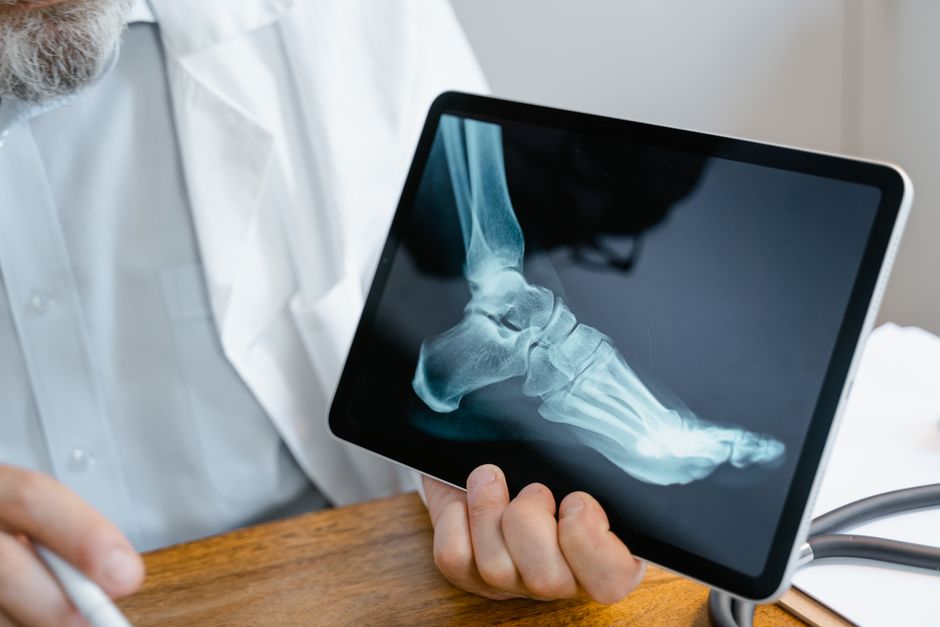
Heel bone spurs are bony growths that develop on the underside of the heel bone. They form where the plantar fascia—a thick band of tissue running along the bottom of your foot—attaches to the heel. Many people with heel spurs feel no pain at all, while others experience sharp heel pain, especially with their first steps in the morning. The pain usually comes from the inflammation of the surrounding tissue, not the spur itself.
What Are Bone Spurs In The Heel Causes Treatment?
Bone spurs in the heel are calcium deposits that grow slowly over several months. They are the body’s response to long-term stress and strain on the foot. When the plantar fascia pulls repeatedly on the heel bone, the body responds by laying down extra bone. This creates a visible projection, often described as a hook or spike, on the bottom of the heel.
These spurs are common. Many people discover they have one only after an X-ray for an unrelated issue. The presence of a spur does not automatically mean you will have heel pain. In fact, research shows that many people with heel spurs never experience any symptoms.
The key point is this: the spur itself is rarely the source of pain. The pain typically comes from plantar fasciitis, which is inflammation of the plantar fascia ligament. Treating the inflammation is the priority. Removing the spur surgically is rarely necessary.
What Causes Heel Bone Spurs?
The most common cause is repeated mechanical stress on the foot. This stress comes from activities that put heavy pressure on the heel. Running, jumping, and prolonged standing are typical triggers. The repetitive pulling of the plantar fascia on the heel bone causes micro-tears and inflammation. Over time, the body tries to repair this area by depositing calcium, which hardens into a spur.
Certain factors increase your risk. These include:
- Obesity: Extra body weight adds direct pressure to the heel.
- Foot mechanics: Flat feet or very high arches change how weight is distributed across the foot.
- Poor footwear: Shoes with little cushioning or poor arch support offer no shock absorption.
- Age: Heel spurs become more common as people age because the plantar fascia loses elasticity.
- Activity level: Sudden increases in training intensity or distance can strain the foot.
Some research suggests that certain systemic conditions, such as reactive arthritis or ankylosing spondylitis, are associated with heel spur formation. These are less common causes. For most people, the cause is simply years of mechanical wear and tear.
What Are the Symptoms of a Heel Spur?
You may have no symptoms at all. When symptoms do occur, the most common one is a sharp, stabbing pain in the heel. This pain is often worst in the morning when you take your first steps out of bed. After a few minutes of walking, the pain may ease. It often returns after long periods of sitting or standing.
The pain is usually located on the bottom of the heel, near the center. Pressing on that specific spot often causes tenderness. Some people describe a dull ache that persists throughout the day after prolonged activity.
It is important to understand that these symptoms are nearly identical to those of plantar fasciitis. Because the conditions overlap so heavily, doctors often diagnose them together. A heel spur is found on X-ray, but plantar fasciitis is diagnosed based on your symptoms and a physical exam.



How Are Heel Spurs Diagnosed?
A doctor will start with a physical examination. They will press on your heel to locate the exact point of tenderness. They will also assess your foot mechanics, arch type, and range of motion in your ankle.
Imaging tests are used to confirm the presence of a spur. An X-ray is the standard tool. It clearly shows the bony projection on the heel. However, an X-ray does not show inflammation or damage to soft tissue like the plantar fascia.
If your doctor suspects a tear in the plantar fascia or other soft tissue damage, they may order an MRI. This is not routine. It is reserved for cases where symptoms are severe or do not respond to initial treatment. The diagnosis of plantar fasciitis itself is clinical. You do not need an X-ray to confirm it.
What Are the Best Treatment Options?
Treatment focuses on reducing pain and inflammation, not on removing the spur. Most people improve with conservative, non-surgical care. The goal is to relieve the strain on the plantar fascia so the tissue can heal.
Common first-line treatments include:
- Rest and activity modification: Reducing high-impact activities like running gives the tissue time to recover.
- Ice therapy: Applying ice to the heel for 15-20 minutes several times a day can reduce inflammation.
- Stretching: Stretching the calf muscles and plantar fascia is one of the most effective ways to reduce tension on the heel.
- Orthotics: Over-the-counter heel cups or custom orthotic inserts provide arch support and cushioning.
- Pain relievers: Nonsteroidal anti-inflammatory drugs (NSAIDs) like ibuprofen can reduce pain and swelling. They are for short-term use, not long-term management.
These measures are effective for the majority of people. However, they take time. Improvement often requires consistent effort over several weeks or months. There is no quick fix for this condition.
When Are More Advanced Treatments Needed?
If conservative treatment fails after several months, your doctor may suggest other options. These are not first-line treatments. They are considered when pain persists despite proper stretching, rest, and footwear changes.
Physical therapy is a common next step. A therapist can teach you specific exercises to strengthen the foot and ankle muscles. This improves stability and reduces strain on the plantar fascia. Extracorporeal shockwave therapy is another option. This treatment uses sound waves to stimulate healing in the affected tissue. The evidence for its effectiveness is mixed. Some studies show benefit, while others show little difference from placebo.
Corticosteroid injections can provide temporary pain relief. They are injected directly into the painful area. These injections are effective in the short term, but the effects wear off. Repeated injections can weaken the plantar fascia and increase the risk of rupture, so doctors limit their use.
Surgery is a last resort. It is only considered when all other treatments have failed for at least 6 to 12 months. The procedure involves releasing part of the plantar fascia from the heel bone. This is called a plantar fascia release. The bone spur is sometimes removed during the same procedure. Surgery carries risks, including nerve damage, infection, and prolonged recovery. It is not a guaranteed cure.
Can You Prevent Heel Spurs?
You cannot always prevent them, but you can reduce your risk. The most effective strategies focus on reducing stress on the heel. Wearing supportive shoes with good cushioning is essential. This is especially important if you stand or walk on hard surfaces for long periods.
Maintaining a healthy weight is another key factor. Every pound of body weight adds pressure to your feet. Losing weight, if you are overweight, can significantly reduce the strain on your heels. Stretching your calves and feet regularly is also protective. Tight calf muscles increase the pull on the plantar fascia, so keeping them flexible helps.
If you are a runner, increase your mileage gradually. Sudden jumps in distance or intensity are common triggers for heel pain. Replacing worn-out shoes on a regular schedule also helps. Old shoes lose their shock-absorbing properties, even if they still look fine.
When Should You See a Doctor?
See a doctor if heel pain lasts longer than a few weeks despite home care. You should also seek medical attention if the pain is severe, if you have swelling or redness in the heel, or if you have numbness or tingling in your foot. These symptoms may indicate a different condition, such as a stress fracture, nerve entrapment, or a rupture of the plantar fascia.
Heel pain that does not improve with rest and ice warrants a professional evaluation. Early treatment is more effective than waiting. Delaying care often leads to a longer recovery period.
Frequently Asked Questions
Can heel bone spurs go away on their own?
No, the bone spur itself does not go away without surgery. However, the pain often resolves with conservative treatment because the inflammation in the surrounding tissue can heal.
Is walking good or bad for heel spurs?
Walking on hard surfaces can worsen the pain because it strains the plantar fascia. Short walks with supportive shoes may be fine, but prolonged standing or high-impact activity should be limited during a flare-up.
What is the fastest way to get rid of heel spur pain?
Rest, ice, and consistent calf and foot stretching are the fastest ways to reduce pain. Over-the-counter anti-inflammatory medication can also provide temporary relief.
