
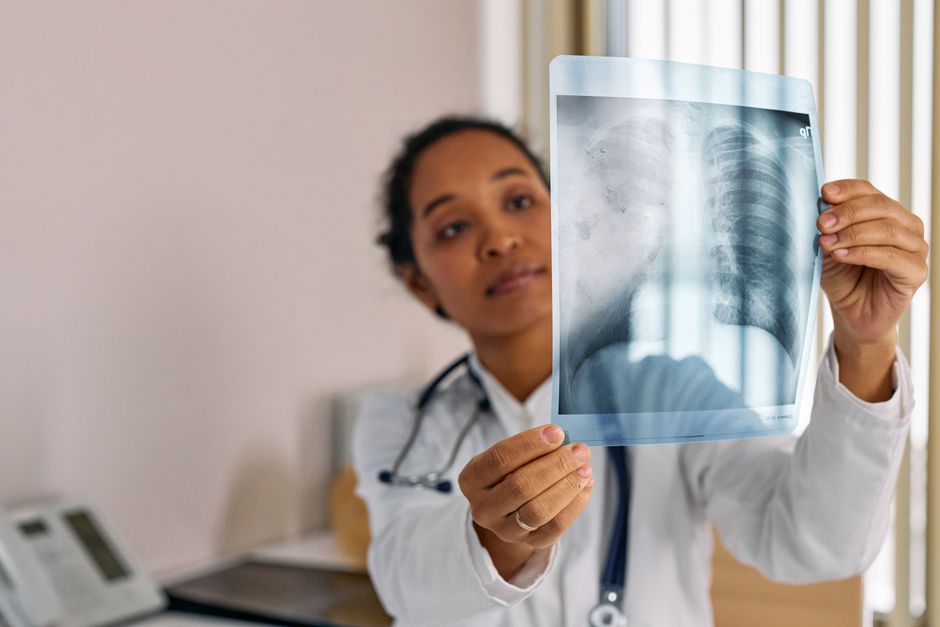
Viral pneumonia is a lung infection caused by a virus, not bacteria. Treatment focuses on managing symptoms and supporting your body while the immune system clears the infection. Most people recover at home with rest, fluids, and fever reducers, but severe cases may require hospital care and oxygen support.
What Is The Treatment For Viral Pneumonia?
The first thing to know: antibiotics do not work against viruses. If a doctor confirms you have viral pneumonia, antibiotics will not help unless a bacterial infection is also present. This is a common point of confusion, and taking antibiotics unnecessarily contributes to resistance.
Treatment for mild viral pneumonia in otherwise healthy adults is mostly supportive. That means rest, drinking enough fluids, and using over-the-counter medications to control fever and body aches. Acetaminophen or ibuprofen can bring down fever and reduce discomfort. Always follow the dosing instructions on the label.
There is no single pill that cures all viral pneumonia. The specific virus matters. Influenza, respiratory syncytial virus (RSV), and SARS-CoV-2 are common causes. Antiviral drugs exist for some of these, and they work best when started early in the illness.
When Are Antiviral Drugs Used?
Antiviral medications target specific viruses. They are not a general treatment for every case of viral pneumonia.
For influenza, drugs like oseltamivir (Tamiflu) can shorten illness duration and reduce complications if started within 48 hours of symptom onset. Some doctors prescribe them later for high-risk patients, but the benefit is strongest with early use.
For COVID-19, antiviral treatments such as nirmatrelvir-ritonavir (Paxlovid) are available for people at high risk of severe disease. These are most effective when started within five days of symptoms beginning.
For RSV, no widely used antiviral exists for adults. Care is supportive. In severe cases, especially in hospitalized patients, doctors may use ribavirin, but evidence for its effectiveness in adults is limited.
The key point: antivirals help only if the pneumonia is caused by the specific virus the drug targets. Testing is needed to know which virus is responsible.
Does Rest Really Matter?
Yes. Your immune system does the actual work of clearing the virus from your lungs. Rest gives your body the energy to mount that response.
Viral pneumonia is exhausting because your body is fighting an infection while your lungs are struggling to exchange oxygen. Pushing through it can delay recovery and increase the risk of complications. Plan on taking it easy for at least a week, sometimes longer. Fatigue can linger for several weeks after the infection clears.
Sleep is particularly important. During sleep, the immune system releases proteins called cytokines that help fight infection. Skipping sleep weakens this response.





What About Hydration and Fever?
Fever increases fluid loss through sweating. Dehydration makes mucus thicker and harder to cough up, which can worsen breathing. Drinking water, clear broths, or oral rehydration solutions helps keep mucus thin and your airways clearer.
You do not need to treat every fever. Fever is part of the immune response and helps fight the virus. If the fever is making you miserable or preventing you from drinking fluids, treating it is reasonable. If you have heart disease, lung disease, or are older, keeping fever down may reduce the strain on your body.
Watch for signs of dehydration: dark urine, dry mouth, dizziness when standing, or urinating less often than normal. If these occur, increase fluids. If they persist, seek medical care.
When Is Hospital Care Needed?
Some people with viral pneumonia need hospital treatment. This is not optional care — it is necessary when the lungs cannot get enough oxygen into the blood.
Signs that warrant immediate medical attention include:
- Shortness of breath at rest
- Confusion or disorientation
- Bluish lips or fingertips
- Chest pain with breathing
- Fever that does not improve after a few days
- Inability to keep fluids down
In the hospital, treatment may include supplemental oxygen through nasal prongs or a mask. In severe cases, a ventilator is needed to support breathing while the immune system clears the infection.
Hospital care also includes intravenous fluids and close monitoring of oxygen levels, blood pressure, and kidney function. Some patients develop secondary bacterial pneumonia, which requires antibiotics. This is why doctors may order blood tests and sputum cultures in severe cases.
Who Is At Higher Risk For Severe Disease?
Certain groups are more likely to develop severe viral pneumonia requiring hospitalization:
- Adults over 65
- People with chronic lung disease such as COPD or asthma
- People with heart disease, diabetes, or kidney disease
- People with weakened immune systems from medications or illness
- Pregnant women
- People who smoke
If you fall into any of these categories and develop pneumonia symptoms, contact a doctor early. Early treatment, including antivirals where appropriate, can reduce the risk of severe disease.
Smoking is worth calling out directly. Smoking damages the cilia — tiny hair-like structures in the airways that sweep mucus and pathogens out of the lungs. Smoking during a pneumonia infection makes it harder for the lungs to clear the virus and increases the risk of complications.
What Can Be Done To Prevent Viral Pneumonia?
Prevention is more effective than treatment for viral pneumonia. Vaccines are the strongest tool available.
Annual influenza vaccination reduces the risk of flu and its complications, including pneumonia. COVID-19 vaccines reduce the risk of severe disease and hospitalization. RSV vaccines are now available for older adults and some high-risk groups. The pneumococcal vaccine does not prevent viral pneumonia, but it prevents a common cause of secondary bacterial pneumonia.
Good hand hygiene and avoiding close contact with sick people reduce exposure to respiratory viruses. Wearing a mask in crowded indoor spaces during high respiratory virus season can also reduce transmission.
If you are at high risk and develop respiratory symptoms, testing early matters. Knowing whether you have flu or COVID-19 determines whether an antiviral is appropriate.
What Does Recovery Look Like?
Recovery time varies widely. Mild cases in healthy adults often improve within one to two weeks. Coughing can persist for three to four weeks, sometimes longer, even after the infection clears.
The cough after viral pneumonia is not necessarily a sign that you are still infected. It reflects airway inflammation and damage from the infection. The airways need time to heal. This is normal.
Fatigue is also common for weeks after the acute illness. Pushing yourself back to full activity too quickly can set back recovery. Gradually increase activity as energy allows.
If symptoms worsen after initially improving, contact a doctor. This can signal a secondary bacterial infection or a complication such as a lung abscess or pleural effusion — fluid around the lungs.
Are There Home Remedies That Help?
Several home measures can make you more comfortable, though none cure the infection:
- Using a humidifier or taking a steamy shower can ease coughing
- Honey in warm water or tea can soothe a sore throat from coughing
- Sleeping with your head elevated can make breathing easier
- Warm compresses can relieve chest muscle soreness from coughing
No herbal supplement, vitamin, or essential oil has been proven to treat viral pneumonia. Some products claim to “boost immunity” against respiratory infections, but no clinical evidence supports these claims for treating an active pneumonia infection. Save your money.
Over-the-counter cough suppressants are of limited value. Coughing is how the lungs clear mucus and debris. Suppressing it entirely can slow recovery. If cough is preventing sleep, a suppressant at night may help, but using it around the clock is not recommended.
Frequently Asked Questions
Can antibiotics cure viral pneumonia?
No. Antibiotics only kill bacteria and have no effect on viruses. They are used only if a bacterial infection develops on top of the viral pneumonia.
How long does viral pneumonia last?
Most people feel better within one to two weeks, but cough and fatigue can persist for several weeks. Recovery time depends on your age, overall health, and which virus caused the infection.
Is viral pneumonia contagious?
Yes. The viruses that cause pneumonia spread through respiratory droplets when an infected person coughs or sneezes. You are generally contagious while you have a fever and active symptoms.
When should I go to the hospital for viral pneumonia?
Go to the emergency room if you have trouble breathing at rest, confusion, bluish lips or fingertips, or chest pain. Do not wait to see if these symptoms improve on their own.
