
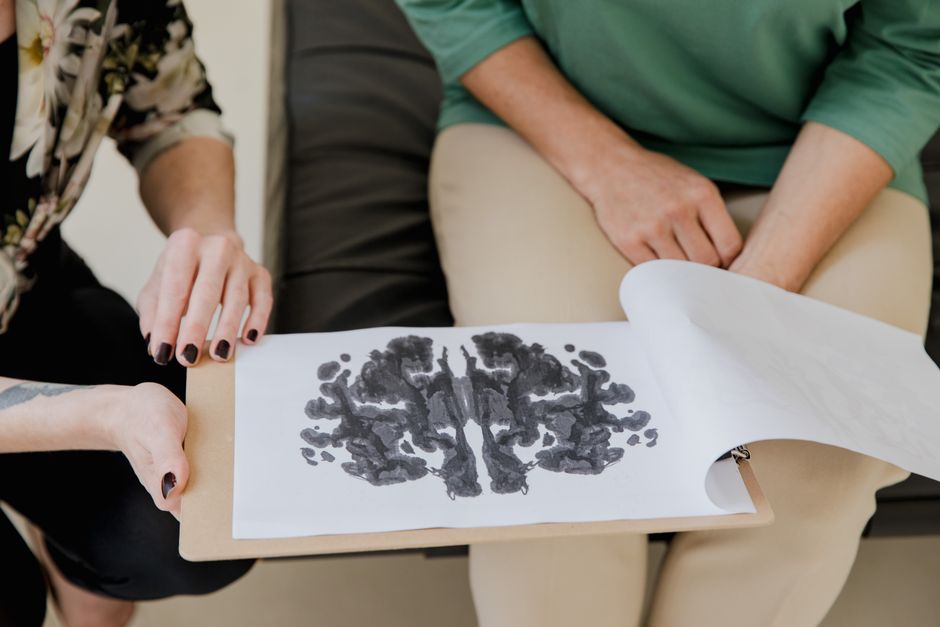
Behavioral assays are controlled experiments that measure how an animal or human acts in response to a specific situation. They work by presenting a stimulus—like a maze, a light, or a social cue—and then recording the subject’s actions in a precise, repeatable way. Researchers use these tests to study brain function, the effects of drugs, and the biological basis of behavior. These assays provide objective data that can reveal patterns linked to health conditions, learning, or emotional states.
What Are Behavioral Assays And How Do They Work?
Behavioral assays are standardized tests designed to capture and measure observable behavior. They turn actions—like how long a mouse explores an open space or how quickly a person presses a button after a signal—into numbers that can be analyzed. The core idea is to create a situation that reliably triggers a behavior of interest, then record that behavior under controlled conditions so comparisons are valid.
In practice, a behavioral assay always includes a clear start point (the stimulus or condition), a defined period of observation, and a set of measurable outcomes. For example, in the elevated plus maze for rodents, the assay measures how much time the animal spends in open versus closed arms. More time in the closed arms is interpreted as anxiety-like behavior. The assay works because the design forces the animal to choose between exploring a novel open area (which is naturally aversive to most rodents) and staying in a sheltered space.
Human behavioral assays follow the same logic. A Stroop test, for instance, presents color words printed in incongruent ink colors. The subject must name the ink color while ignoring the word. The delay in response time measures cognitive interference—a hallmark of how the brain handles conflicting information.
What Exactly Do Behavioral Assays Measure?
Behavioral assays measure specific, defined behaviors—not thoughts or feelings directly. The measurements are things like latency (time to respond), frequency (how often an action occurs), duration (how long a behavior lasts), and accuracy (number of correct responses). These metrics are then used to infer something about the underlying biological or psychological state.
For example, the forced swim test for rodents measures how long an animal actively tries to escape from water versus floating passively. More floating is interpreted as behavioral despair, a model used to screen antidepressant drugs. However, the assay does not measure depression itself—it measures a behavior that correlates with depression-like states in the rodent model. That distinction is critical. Researchers must be cautious about directly equating the assay result with a human emotional condition.
In humans, standardized cognitive assays like the Trail Making Test measure processing speed and executive function. A longer time to complete the task may indicate deficits but does not diagnose a specific disease on its own. The value comes from comparing an individual’s result to normative data for their age and education level.
What Are Common Types of Behavioral Assays?
Behavioral assays fall into categories based on what they aim to capture: learning and memory, anxiety, social behavior, motor function, and reward or addiction. Here are well-established examples used in research:
- Morris Water Maze – A rodent is placed in a pool of opaque water and must find a hidden platform using spatial cues. Measures how quickly the animal learns the platform location. Commonly used to test memory and hippocampal function.
- Open Field Test – A rodent is placed in an enclosed arena. The distance traveled and time spent in the center versus edges are recorded. More time in the center is interpreted as higher exploratory drive and lower anxiety.
- Social Interaction Test – Two animals are placed together in a neutral space. The amount of time they spend sniffing, following, or grooming each other measures sociability. Reduced interaction can indicate social withdrawal models.
- Conditioned Place Preference – An animal is repeatedly exposed to two different environments, one paired with a drug and one with a control. Later it can choose between them. More time in the drug-paired side indicates the drug is rewarding.
- Continuous Performance Test (human) – A person responds to specific target stimuli while ignoring distractors. Measures sustained attention and impulsivity. Often used in ADHD research.
Each assay is designed to isolate one or two behavioral dimensions while controlling for other variables like lighting, time of day, and prior experience.




How Are Behavioral Assays Used in Research and Medicine?
Behavioral assays are central to neuroscience, pharmacology, and psychology. In drug development, they are the first step in screening whether a new compound affects behavior. For example, before a potential anxiety medication is tested in humans, it is tested in rodent assays like the elevated plus maze or the light–dark transition test. If the drug increases exploratory behavior in those assays, it may be effective for anxiety—but it is not proof. Many drugs that work in rodent assays fail in human trials.
In genetic research, behavioral assays help link specific genes to behaviors. Knocking out a gene in mice and then running a battery of assays can reveal the gene’s role in memory, fear, or motor coordination. These findings often guide research in human genetics, though direct translation is limited.
In clinical settings, behavioral assays are less common as standalone diagnostic tools. However, standardized cognitive tests (a type of behavioral assay) are used to track disease progression in conditions like Alzheimer’s or Parkinson’s. The tests provide objective data on changes in memory, reaction time, and executive function over months or years.
What Are the Limitations of Behavioral Assays?
Behavioral assays have real constraints that researchers must acknowledge. First, the same behavior can have different meanings depending on the context and species. A mouse freezing in place may indicate fear, but it can also result from illness, pain, or confusion. Without additional measures, interpretation is incomplete.
Second, reproducibility is a known issue. Small changes in the testing environment—noise, temperature, time of day, the experimenter’s scent—can shift results. Many published findings from rodent behavioral assays have failed to replicate in different labs, raising questions about reliability.
Third, translation from animal assays to human conditions is not straightforward. A rodent forced swim test may predict antidepressant drug effects, but some drugs that work in the assay have no benefit in humans, and some effective antidepressants do not change the assay result. The assay models a behavior, not the full human disorder.
Finally, human behavioral assays often rely on effort and motivation. A person who is fatigued or distracted may perform poorly on a test, and the result may not reflect their true cognitive ability. Researchers control for these factors as much as possible, but they cannot be eliminated entirely.
Key Facts to Keep in Mind About Behavioral Assays
Behavioral assays are tools, not truths. They provide data that must be interpreted within the context of the specific test and species. A single assay rarely proves a hypothesis; results are strongest when multiple assays point in the same direction.
The assays do not diagnose diseases in humans. They are research instruments used to generate hypotheses or track changes over time. Many assays used in animal studies have no direct human equivalent, and even human cognitive tests are one piece of a larger assessment.
Behavioral assays are also refined continuously. New technologies like automated video tracking and machine learning allow more precise and detailed measurements than manual observation. These advances improve reproducibility and open new possibilities, but they do not eliminate the fundamental limits of behavioral measurement.
For the public reading about a study that used a behavioral assay, it helps to ask: What exactly did they measure? Was it appropriate for the question? And how strongly does that behavior relate to the human condition the study claims to model? Critical reading of research starts with understanding the assay.
Frequently Asked Questions
Are behavioral assays used to diagnose mental illness?
No, behavioral assays are not diagnostic tools for mental illness in clinical practice. They are used in research to study underlying mechanisms and to screen potential treatments, but a diagnosis requires a comprehensive clinical evaluation.
Can a behavioral assay tell you if a drug works?
It can suggest whether a drug has an effect on a specific behavior, but it does not prove the drug will work in humans or for a complex condition. A positive result in an animal assay is just one step in a long drug development process.
How long does a typical behavioral assay take?
Most rodent behavioral assays last between 5 and 30 minutes per session. Human cognitive assays vary widely, from a few minutes for simple reaction time tasks to an hour for a full neuropsychological battery.
Why do researchers use animals in behavioral assays instead of just studying humans?
Animal assays allow scientists to control genetics, environment, and brain manipulations that are not possible or ethical in humans. They are used to identify biological mechanisms that can later be studied in people, but the results always require cautious translation.
