
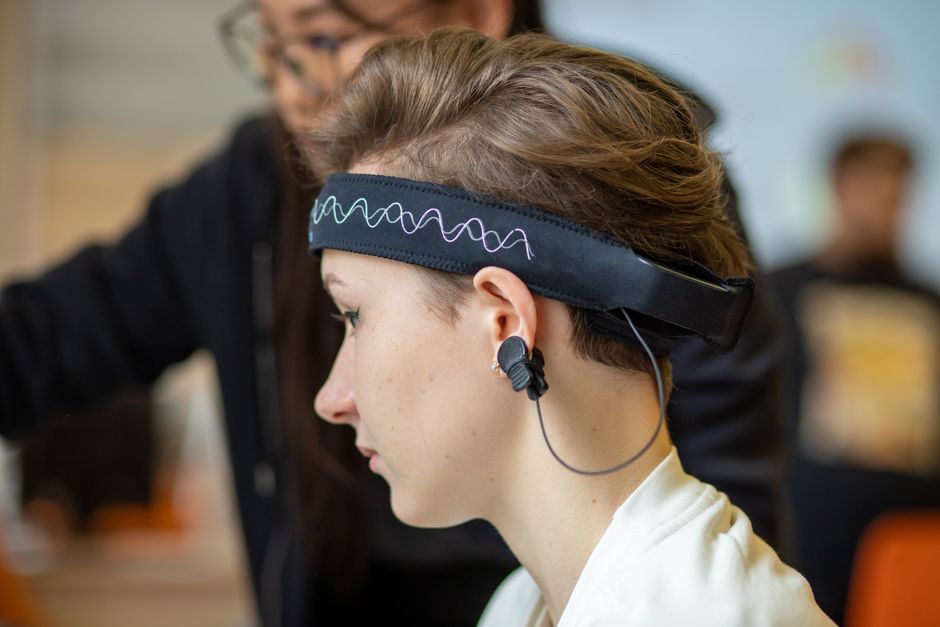
Behavioral neuroscience is the study of how the brain and nervous system produce behavior. It examines the biological processes behind everything from movement and hunger to memory, emotion, and decision-making. Researchers in this field ask how cells, circuits, and chemicals in the brain translate into the things people and animals actually do.
What Is Behavioral Neuroscience And What Does It Study?
Behavioral neuroscience sits at the intersection of psychology and biology. It treats behavior as the output of the nervous system and works backward to find the mechanisms that generate it.
The field studies a wide range of topics. These include learning and memory, motivation, sleep, stress responses, social behavior, and the effects of drugs on the brain. Some researchers focus on single neurons. Others study whole brain regions or entire behavioral patterns. The common thread is a commitment to linking biology to observable action.
You may also hear this field called biological psychology, biopsychology, or psychobiology. These terms overlap heavily and are often used interchangeably. They all describe the same basic project: explaining behavior through the structure and function of the nervous system.
How Does Behavioral Neuroscience Differ From Other Fields?
Behavioral neuroscience is not the same as general psychology. Psychology broadly studies the mind and behavior, often at the level of thoughts, emotions, and social patterns. Behavioral neuroscience goes a layer deeper. It asks what is happening physically in the brain when those mental events occur.
It also differs from cognitive neuroscience, though the two are close relatives. Cognitive neuroscience tends to focus on mental processes like attention, language, and perception. Behavioral neuroscience often places more emphasis on observable behavior and its biological roots, including in animal models.
Another distinction is its relationship to neurology and psychiatry. Those are medical specialties focused on diagnosing and treating disorders. Behavioral neuroscience is primarily a research field. Its findings inform medicine, but its goal is understanding, not treatment.
There is real overlap between all these areas. A researcher studying addiction might use methods from behavioral neuroscience, cognitive neuroscience, and pharmacology at the same time. The boundaries are practical, not rigid.
What Are the Main Methods Used in Behavioral Neuroscience?
The field relies on a mix of techniques that connect brain activity to behavior. No single method answers every question, so researchers combine them.
- Animal behavioral testing. Researchers observe how animals learn, remember, or respond to rewards and stress. These tasks reveal how brain changes affect behavior.
- Lesion studies. Damaging or temporarily disabling a brain region can show what that region is needed for. This approach has a long history in the field.
- Electrophysiology. Electrodes record the electrical activity of neurons. This shows how cells communicate in real time.
- Neuroimaging. Tools like fMRI and PET scan the living human brain. They show which areas are active during a task, though they measure blood flow or metabolism rather than neurons directly.
- Genetic and molecular tools. Researchers can turn specific genes on or off in animals to see how they affect behavior.
- Optogenetics. This technique uses light to switch specific neurons on or off. It allows precise control over brain circuits in animal studies.
Each method has limits. Neuroimaging shows correlation, not causation. A brain region lighting up during a task does not prove it causes the behavior. Animal studies reveal mechanisms but do not always translate directly to people. Good research accounts for these limits.





How Do Neurons and Brain Circuits Control Behavior?
Behavior starts with cells. The brain contains roughly 86 billion neurons, and they communicate through electrical signals and chemical messengers called neurotransmitters.
A neuron receives signals, decides whether to fire, and passes the message along. When many neurons fire together in a coordinated way, they form circuits. These circuits underlie specific behaviors.
Different neurotransmitters are tied to different functions, though the picture is more complex than any single label suggests. Dopamine is heavily involved in reward, motivation, and movement. Serotonin plays roles in mood, sleep, and appetite. Glutamate is the main excitatory signal, and GABA is the main inhibitory one. These systems interact constantly.
One clarification worth making: the idea that a single neurotransmitter “controls” a single behavior or emotion is an oversimplification. Dopamine, for example, is not simply the “pleasure chemical.” Research indicates it is more closely tied to motivation, learning about rewards, and predicting outcomes than to pleasure itself. This distinction matters because it shapes how scientists interpret experiments.
What Role Does Behavioral Neuroscience Play in Mental Health?
Behavioral neuroscience helps explain the biology behind many mental health conditions. This understanding shapes how researchers think about causes and, in some cases, how treatments are developed.
Conditions like depression, anxiety, schizophrenia, and addiction all involve changes in brain circuits and chemistry. Research in this field has helped identify some of those changes. For example, studies of the brain’s reward system have shaped how scientists understand addiction as a disorder of learning and motivation, not simply a failure of willpower.
This research also informs medication development. Many psychiatric drugs target specific neurotransmitter systems that behavioral neuroscience helped identify. That said, understanding a mechanism does not guarantee an effective treatment. A drug can act on the right target and still fail to help patients in trials. Biological plausibility is not the same as proven benefit.
The field also studies how stress, sleep, and social environment affect the brain over time. These factors can influence mental health, though the exact pathways are still being worked out.
What Are the Limits and Ongoing Debates in the Field?
Behavioral neuroscience has real limits, and honest researchers acknowledge them.
One major challenge is translation. Findings in animals do not always hold true in humans. A circuit that controls a behavior in a mouse may work differently in a person. This gap is one reason promising animal results often do not lead to new human treatments.
Another issue is interpretation. Neuroimaging studies can be overread. A colorful brain scan can look convincing, but it shows where activity is, not what it means. Some critics argue that many imaging findings are overstated.
There is also the question of complexity. The brain has billions of neurons forming trillions of connections. No current method captures all of that at once. Researchers must simplify, and simplification can miss important details.
Finally, the field grapples with how much behavior is determined by biology versus environment. Most researchers now see it as an interaction rather than a contest. Genes and experience shape the brain together, and separating them cleanly is often impossible.
Why Does Behavioral Neuroscience Matter?
Understanding how the brain produces behavior has practical value. It informs how we think about learning, mental health, addiction, and aging. It shapes education, medicine, and public health policy.
It also helps counter misinformation. Claims about the brain are common in advertising and online content. Many are exaggerated or unsupported. Knowing how behavioral neuroscience actually works makes it easier to tell solid findings from marketing.
The field is still young in many ways. Major questions about memory, consciousness, and emotion remain open. What behavioral neuroscience offers is a disciplined method for asking those questions and testing answers against evidence.
Frequently Asked Questions
What is behavioral neuroscience in simple terms?
It is the study of how the brain and nervous system produce behavior. It connects biology to the things people and animals do.
Is behavioral neuroscience the same as psychology?
No, they overlap but differ in focus. Psychology studies the mind and behavior broadly, while behavioral neuroscience focuses on the biological mechanisms behind behavior.
What does someone in behavioral neuroscience actually study?
They study topics like learning, memory, motivation, sleep, stress, and addiction at the level of brain cells and circuits. Many also use animal models to study these processes.
Do brain scans prove what causes a behavior?
No, most brain scans show correlation rather than causation. Activity in a brain region during a task does not prove that region causes the behavior.
