
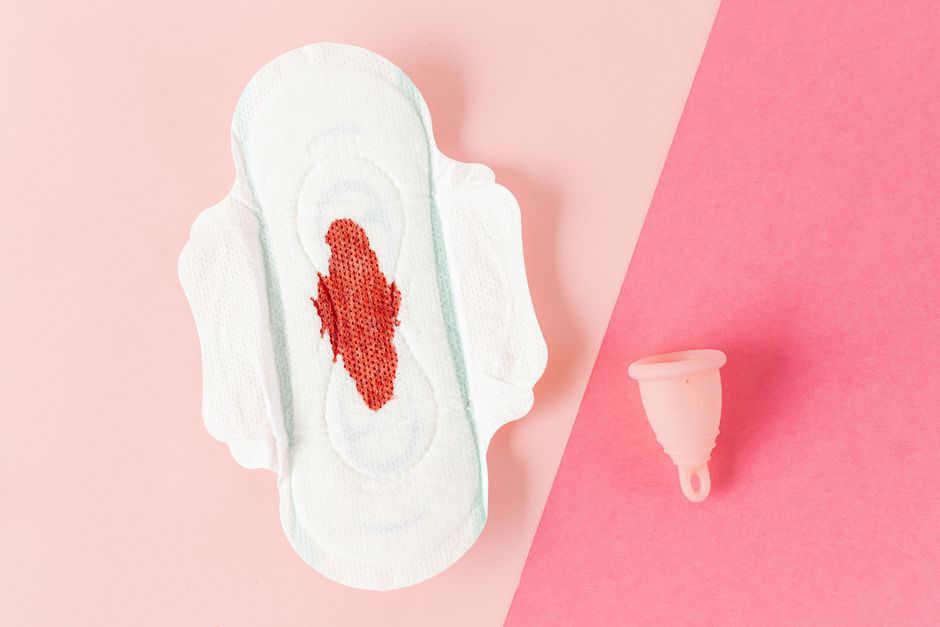
The menstrual cycle is the monthly series of changes a woman’s body goes through to prepare for a possible pregnancy. It is broken down into four main phases: the menstrual phase, the follicular phase, ovulation, and the luteal phase. Each phase is driven by specific hormones and has distinct physical effects, from bleeding to egg release to PMS symptoms.
What Is the Menstrual Phase and What Happens During It?
The menstrual phase is the one most people know. This is when you have your period. It starts on day one of bleeding and typically lasts between three to seven days.
During this phase, the lining of the uterus, called the endometrium, sheds because no pregnancy occurred in the previous cycle. Blood and tissue leave the body through the vagina. This is also when estrogen and progesterone levels are at their lowest, which is why many women feel tired or low energy at the start of their period.
What many people do not realize is that the first day of your period is also the first day of your entire cycle. Cycle length is counted from the first day of one period to the first day of the next. A normal cycle ranges from 21 to 35 days, according to the American College of Obstetricians and Gynecologists.
What Happens During the Follicular Phase?
The follicular phase actually starts on the same day as your period, day one. It overlaps with the menstrual phase at the beginning. This phase lasts until ovulation, which can be anywhere from day 7 to day 21 of your cycle, depending on your cycle length.
Here is what happens. The pituitary gland in your brain releases follicle-stimulating hormone (FSH). This hormone tells your ovaries to get a group of follicles ready. Each follicle contains an egg. Usually, only one follicle becomes dominant and matures fully while the others shrink away.
As those follicles grow, they produce more estrogen. Rising estrogen levels do two important things. They rebuild the uterine lining that was just shed, and they signal the brain to prepare for ovulation. This is the phase where many women feel their best, with higher energy and clearer skin, thanks to that estrogen surge.
What Is Ovulation and How Do You Know It Is Happening?
Ovulation is the release of a mature egg from the ovary. It is the shortest phase of the cycle, lasting only about 24 hours. The egg is viable for fertilization for roughly 12 to 24 hours after release.
Right before ovulation, estrogen levels peak. This causes a sudden rise in luteinizing hormone (LH), known as the LH surge. This surge triggers the ovary to release the egg. The egg then travels into the fallopian tube, where it may meet sperm.
Some women feel ovulation happening. Common signs include a twinge of pain on one side of the lower abdomen, called mittelschmerz. You may also notice changes in cervical mucus, which becomes clear, slippery, and stretchy like raw egg whites. Basal body temperature also rises slightly after ovulation and stays higher until your next period.
If you are tracking your cycle to conceive or avoid pregnancy, ovulation is the key event. Ovulation predictor kits detect the LH surge and can give you a 12 to 36 hour heads-up before the egg is released.





What Happens During the Luteal Phase?
The luteal phase begins right after ovulation and lasts until your next period starts. This phase is typically 10 to 16 days long, with 14 days being the average. Unlike the follicular phase, which can vary widely, the luteal phase is fairly consistent for each woman.
After the egg is released, the empty follicle transforms into a structure called the corpus luteum. The corpus luteum produces progesterone, the dominant hormone of this phase. Progesterone thickens the uterine lining to prepare for a possible pregnancy. It also raises your basal body temperature.
If the egg is fertilized and implants in the uterus, the body continues producing progesterone to support the pregnancy. If no pregnancy occurs, the corpus luteum breaks down. Progesterone and estrogen levels drop sharply. This drop triggers the uterine lining to shed, and your next period begins.
This is also the phase where premenstrual syndrome (PMS) symptoms show up. Bloating, breast tenderness, mood swings, fatigue, and food cravings are all linked to the hormonal shifts of the luteal phase. Some women experience more severe symptoms, a condition called premenstrual dysphoric disorder (PMDD), which affects about 3 to 8 percent of women of reproductive age.
How Do the Hormones Change Across the Cycle?
Understanding the hormone shifts can help you make sense of why you feel different at different times of the month. Here is a simple breakdown of the main hormones and when they peak.
| Hormone | Peaks During | Main Job |
|---|---|---|
| Estrogen | Late follicular phase, right before ovulation | Builds uterine lining, triggers LH surge |
| Luteinizing Hormone (LH) | Just before ovulation (the surge) | Triggers egg release |
| Follicle-Stimulating Hormone (FSH) | Early follicular phase | Stimulates follicle growth |
| Progesterone | Luteal phase | Thickens uterine lining, maintains pregnancy |
These hormones do not work in isolation. They communicate with each other in a feedback loop. For example, high estrogen levels tell the brain to stop releasing FSH and start releasing LH. This is why the follicular phase ends and ovulation begins.
Knowing these patterns can help you understand your body better. Research published in the journal Frontiers in Public Health suggests that tracking cycle phases can help women optimize exercise, work schedules, and even medical appointments based on how they tend to feel at each point.
What Are Common Misconceptions About the Menstrual Cycle?
There is a lot of bad information about periods online. Let me clear up a few things.
First, not every woman has a 28-day cycle. That number is an average, not a rule. Many healthy women have cycles ranging from 24 to 35 days. If your cycle is consistently outside that range, it is worth discussing with a doctor, but it is not automatically a problem.
Second, you cannot get pregnant at any time in your cycle. The fertile window is about six days long, ending on the day of ovulation. Sperm can live in the body for up to five days, but the egg only survives 12 to 24 hours. Outside that window, pregnancy is not possible.
Third, irregular cycles do not always mean something is wrong. Stress, travel, illness, and significant weight changes can all delay ovulation and shift your period. However, if you consistently have cycles shorter than 21 days or longer than 35 days, or if you skip periods for three months or more, the American College of Obstetricians and Gynecologists recommends seeing a healthcare provider.
Finally, the idea that all women should sync their exercise and diet perfectly to their cycle phases is oversold. Some women genuinely benefit from adjusting their workouts to match energy levels, and there is some evidence for it. But the research is not strong enough to say everyone should do it. Listen to your body first.
How Can You Track Your Cycle Accurately?
Tracking your cycle does not have to mean filling out paper charts. There are many reliable methods.
- Calendar method: Mark the first day of your period each month. After a few months, you can estimate your average cycle length and likely ovulation window.
- Cervical mucus tracking: Check the color and texture of vaginal discharge daily. Stretchy, clear mucus means you are near ovulation.
- Basal body temperature (BBT): Take your temperature with a special BBT thermometer every morning before getting out of bed. A sustained rise of about 0.5 degrees Fahrenheit confirms ovulation happened.
- Ovulation predictor kits: These urine tests detect the LH surge. They are very accurate for predicting ovulation within the next day or two.
- Wearable devices: Smart rings, watches, and armbands can track temperature, heart rate, and other data to estimate cycle phases. Their accuracy varies by brand and model.
The CDC reports that about 5 percent of women of reproductive age use fertility awareness-based methods for contraception. If you are using tracking to avoid pregnancy, it is important to know that typical use has a failure rate of about 23 percent, according to the CDC. Perfect use lowers that rate, but it requires strict daily tracking and avoiding intercourse during the fertile window.
Frequently Asked Questions
What are the four phases of the menstrual cycle in order?
The four phases in order are the menstrual phase, the follicular phase, ovulation, and the luteal phase. The menstrual and follicular phases overlap at the beginning of the cycle.
How long does each phase of the menstrual cycle last?
The menstrual phase lasts 3 to 7 days, the follicular phase lasts from day 1 until ovulation, ovulation lasts about 24 hours, and the luteal phase lasts 10 to 16 days. Total cycle length is typically 21 to 35 days.
Can you get pregnant during your period?
It is unlikely but possible if you have a short cycle and ovulate early. Sperm can survive up to five days, so sex during your period could lead to pregnancy if you ovulate soon after bleeding ends.
What causes irregular menstrual cycles?
Common causes include stress, significant weight changes, excessive exercise, thyroid disorders, polycystic ovary syndrome (PCOS), and hormonal birth control. If irregularity persists for three months or more, see a healthcare provider.
