
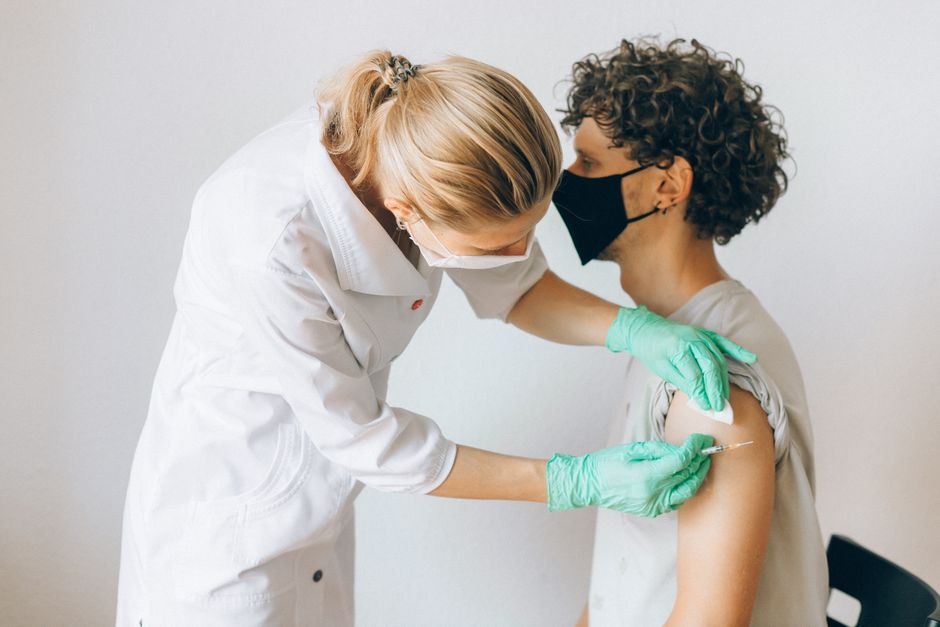
The measles vaccine is recommended in two doses: the first at 12 through 15 months of age, and the second at 4 through 6 years, before a child starts school. In the United States, that schedule applies to the MMR vaccine, which protects against measles, mumps, and rubella. A single dose does not fully protect every child, which is why the second dose exists.
Measles is one of the most contagious viruses known to medicine. It spreads through the air and can linger in a room for up to two hours after an infected person has left. Before the vaccine existed, nearly every child got measles, and some developed pneumonia, brain swelling, or died. The vaccine changed that, but only when children receive both doses on time.
What Age Do You Get The Measles Vaccine?
The standard schedule calls for the first dose at 12 through 15 months and the second at 4 through 6 years. The Centers for Disease Control and Prevention sets this timing, and it is followed by pediatricians across the country.
Why not give it earlier? Infants carry antibodies from their mothers that circulate in their blood for the first several months of life. Those antibodies protect against many infections, but they can also block the measles vaccine from working. Give the vaccine too early and the maternal antibodies may neutralize it before the immune system responds.
By 12 months, those maternal antibodies have faded enough in most children that the vaccine can do its job. That is the reasoning behind the timing, and it is why the schedule is not simply a matter of convenience.
The second dose is not a booster in the usual sense. Some children — roughly a small minority — do not develop full immunity from the first dose. The second dose catches those children. Two doses together are about 97 percent effective at preventing measles, compared with about 93 percent for one dose.
Can Babies Get the Measles Vaccine Before 12 Months?
Yes, in specific situations. The vaccine can be given to infants as young as 6 months during a measles outbreak, before international travel to a country where measles is spreading, or in other circumstances where exposure risk is high.
This early dose does not count toward the routine two-dose series in most cases. A child who receives a dose before their first birthday should still get the standard two doses at the usual ages. The early dose is a temporary measure to provide some protection during a period of elevated risk, not a replacement for the full schedule.
Parents planning international travel with an infant should talk to their pediatrician well before the trip. The timing of any early dose matters, and the clinician can weigh the destination, the child’s age, and the local measles situation.
What If Your Child Missed a Dose?
Catch-up vaccination is available at any age. Children who missed the second dose can receive it later, and adolescents and adults who were never vaccinated or are unsure of their status can also be vaccinated.
The general guidance for catch-up is straightforward:
- Children under 4 who missed the second dose can receive it once at least 28 days have passed since the first dose.
- Children 4 and older who missed the second dose should receive it before starting school.
- Adults born in 1957 or later who have no evidence of immunity should get at least one dose. Some adults, including healthcare workers and international travelers, may need two.
- Adults born before 1957 are generally presumed immune because measles was so widespread during their childhood.
Proof of immunity can come from vaccination records, a lab test showing antibodies, or a documented history of having had measles. If none of those exist, vaccination is the safer path. There is no harm in vaccinating someone who is already immune.





Why Two Doses Instead of One?
The first dose does not produce immunity in every child. The reasons are not fully understood, but the pattern is consistent: a small percentage of children who receive one dose do not develop protective antibodies. The second dose closes that gap.
This is not unique to the measles vaccine. Several childhood vaccines use a multi-dose series for the same reason — the immune response varies between individuals, and a second exposure improves the odds that everyone is protected.
Two doses also matter for something called herd immunity. Measles spreads so easily that roughly 95 percent of a population needs to be immune to stop ongoing transmission. When vaccination rates fall below that threshold, outbreaks follow. The 2019 measles outbreaks in the United States, which totaled more than 1,200 cases, occurred in communities with low vaccination rates.
Is the Measles Vaccine Safe?
The MMR vaccine has been studied extensively for decades. The most common side effects are mild and temporary: soreness at the injection site, a low-grade fever, or a mild rash appearing a week or two after the shot.
Serious reactions are rare. Febrile seizures can occur, but they are uncommon and are not associated with long-term harm. Severe allergic reactions are extremely rare.
The claim that the MMR vaccine causes autism originated from a 1998 paper that was later retracted and discredited. The study’s lead author lost his medical license. Since then, large studies involving hundreds of thousands of children have found no link between the vaccine and autism. This is one of the most thoroughly investigated questions in vaccine research, and the answer has not changed.
Some children should not receive the MMR vaccine, including those with certain immune system conditions or severe allergies to vaccine components. Pregnant women should not receive it. Anyone in these categories should discuss their situation with a doctor rather than assume the vaccine is off-limits or safe.
What About Adults and Older Children?
Adults born in 1957 or later who never received the vaccine or are unsure should get at least one dose. Adults born before 1957 are generally considered immune because measles was nearly universal in childhood during that era.
Certain adults should receive two doses regardless of birth year. This includes healthcare workers, students in post-secondary settings, international travelers, and people living or working in settings where measles could spread quickly.
Teens and older children who missed doses can be vaccinated at any age. There is no upper age limit for catch-up vaccination.
What If You Are Traveling Abroad?
International travel is one of the main ways measles re-enters the United States. Before any trip abroad, check whether everyone in the family is up to date.
Infants 6 through 11 months should receive one dose before travel. Children 12 months and older should have two doses, with the second given at least 28 days after the first. Adults should have documentation of immunity or receive the vaccine before departure.
The timing matters. The MMR vaccine takes about two weeks to produce a protective immune response, so it should ideally be given well before the trip. Some clinicians will give it closer to departure if time is short, but the protection may not be complete by the travel date.
Frequently Asked Questions
What age do you get the measles vaccine?
The first dose is given at 12 through 15 months, and the second at 4 through 6 years. Children who miss these ages can receive catch-up doses later.
Can a 6-month-old baby get the measles vaccine?
Yes, in specific situations such as international travel or an outbreak. This early dose does not replace the routine two-dose series, which still begins at 12 through 15 months.
How effective is the measles vaccine after two doses?
Two doses are about 97 percent effective at preventing measles. One dose is about 93 percent effective, which is why the second dose is recommended.
Do adults need a measles vaccine?
Adults born in 1957 or later who have no proof of immunity should get at least one dose. Those born before 1957 are generally presumed immune.
