
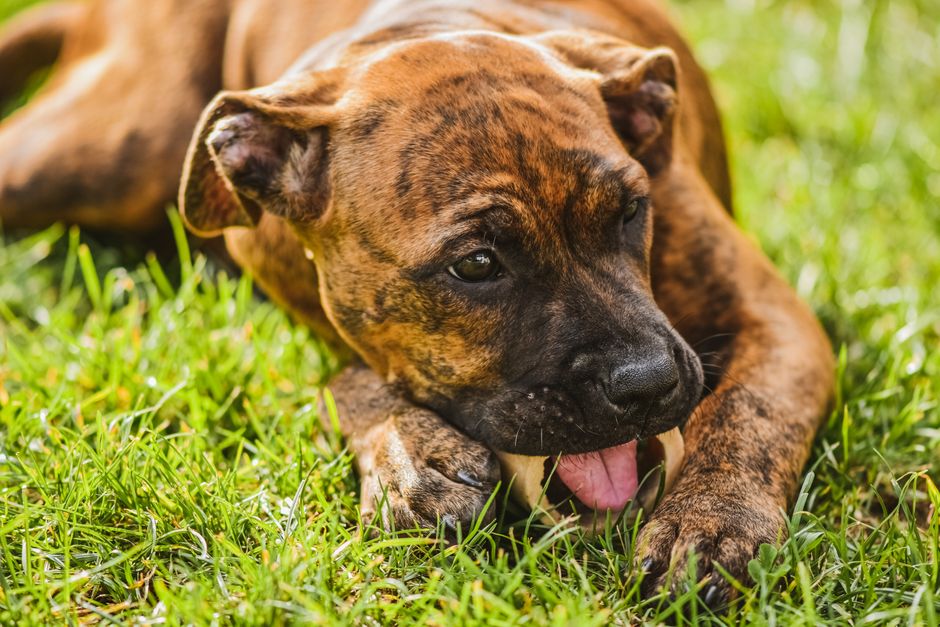
Puppies lose their baby teeth between 12 and 16 weeks of age, which is roughly 3 to 4 months old. By the time a puppy is 6 to 7 months old, all 42 adult teeth should have replaced the 28 baby teeth. This process is natural and usually happens without much fuss, though you will likely find tiny teeth around your house or notice your puppy chewing more than usual.
When Do Puppies Start Losing Baby Teeth?
The timeline for losing baby teeth follows a fairly predictable pattern, though individual puppies can vary by a week or two. Most puppies start losing their incisors — the small front teeth — at around 12 weeks old.
The canine teeth, sometimes called fangs, typically fall out between 16 and 20 weeks. The premolars come out last, usually between 16 and 24 weeks. By 6 to 7 months, the process is typically complete.
This schedule mirrors the order in which the baby teeth first appeared. The incisors come in first and go out first. The larger teeth follow behind.
How Many Baby Teeth Do Puppies Have?
Puppies are born without any visible teeth. Their 28 baby teeth — also called deciduous teeth — begin to erupt at about 3 to 4 weeks of age.
The full set of puppy teeth includes:
- 12 incisors (6 on top, 6 on bottom)
- 4 canine teeth (2 on top, 2 on bottom)
- 12 premolars (6 on top, 6 on bottom)
There are no molars among the baby teeth. Adult dogs have 42 teeth total, which includes 10 molars that do not exist in the puppy set.
What Are the Signs That a Puppy Is Teething?
Teething is uncomfortable for puppies, just as it is for human babies. The gums get sore and inflamed as adult teeth push through the tissue.
Common signs include increased chewing, drooling, and a mild reluctance to eat hard food. You might also notice small specks of blood on chew toys. That is normal and usually not a cause for concern.
Some puppies become slightly irritable during teething. They may whine more or seem less interested in play. This behavior usually passes once the adult teeth finish coming in.
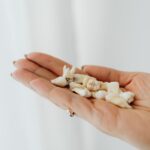
One sign that surprises many owners is finding an actual tooth on the floor. Puppies often swallow their baby teeth while eating or chewing. This is harmless — the tooth passes through the digestive system without issue.



What Happens If a Baby Tooth Does Not Fall Out?
Sometimes an adult tooth comes in before the baby tooth has fallen out. This leaves two teeth occupying the same spot. The condition is called a retained deciduous tooth.
Retained baby teeth are most common with the canine teeth. If left untreated, they can cause the adult tooth to grow at an abnormal angle. Food and debris can also get trapped between the two teeth, leading to gum inflammation and decay.
If you see a baby tooth still in place when the adult tooth is already visible, mention it to your veterinarian. In many cases, the baby tooth needs to be removed surgically. This is a simple procedure done under anesthesia.
Do not try to pull a loose baby tooth yourself. You could damage the developing adult tooth root underneath or break the baby tooth, leaving fragments behind.
How Can You Help a Teething Puppy?
You cannot stop the teething process, but you can make it more comfortable. The main goal is to give your puppy safe things to chew on. Chewing applies pressure to the gums, which provides relief.
Safe options include:
- Rubber chew toys designed for puppies
- Frozen washcloths (supervised only)
- Chilled (not frozen) teething rings
- Edible puppy teething treats
Avoid hard bones, antlers, and ice cubes. These are hard enough to crack or fracture a puppy’s developing adult teeth. Puppy teeth and young adult teeth are more fragile than the teeth of a mature dog.
You can also gently wipe your puppy’s gums with a soft, damp cloth. This can soothe irritated tissue and gets your puppy used to having its mouth handled, which makes future tooth brushing easier.
When Should You Start Brushing a Puppy’s Teeth?
Start brushing as soon as you bring your puppy home, even before the adult teeth arrive. This builds the habit early. Use a finger brush or a small toothbrush designed for dogs, along with toothpaste made specifically for pets.
Human toothpaste contains fluoride and xylitol, both of which can be toxic to dogs if swallowed. Pet toothpaste is safe to swallow and comes in flavors like poultry or peanut butter that dogs enjoy.
Brush gently along the gum line. Aim for a few times per week at minimum, though daily brushing is ideal. The more consistently you brush, the more your puppy will accept it as routine.
What Do Adult Puppy Teeth Look Like?
Adult teeth are larger, whiter, and more firmly set than baby teeth. Baby teeth are small, sharp, and have a thinner root structure.
One difference owners often notice is that adult teeth look “cleaner.” Baby teeth may appear slightly stained or yellowish by the time they fall out. That is normal wear and tear, not a health problem.
Adult teeth also sit higher in the gum line. When the full set comes in, your puppy’s bite should look even and aligned. If the teeth appear crooked or the bite looks off, have a veterinarian check it. Some bite issues are cosmetic, but others can cause pain or difficulty eating.
Is It Normal for a Puppy to Stop Eating While Teething?
Some puppies eat less during the peak of teething, usually between 12 and 20 weeks. The gums are sore, and hard kibble can be uncomfortable to chew.
If your puppy is eating less but still acting normal — playful, drinking water, and producing normal stools — you can offer softened food. Add warm water to dry kibble and let it sit for a few minutes before serving. This makes the food easier to chew without changing its nutrition.
Contact your veterinarian if your puppy refuses food entirely for more than 24 hours, develops vomiting or diarrhea, or seems lethargic. Those signs are not typical of teething alone and may point to a different problem.
What Age Do Puppies Lose Teeth: The Full Timeline
Here is a quick reference for the typical teething schedule:
- 3 to 4 weeks: Baby incisors begin to appear
- 5 to 6 weeks: Baby canines and premolars appear
- 8 weeks: Most puppies have all 28 baby teeth
- 12 to 16 weeks: Baby incisors fall out
- 16 to 20 weeks: Baby canines fall out
- 16 to 24 weeks: Baby premolars fall out
- 6 to 7 months: All 42 adult teeth are in
These are averages. Some puppies finish earlier, some later. A puppy that still has a few baby teeth at 7 months is not necessarily a problem, but it is worth a veterinary check to rule out retained teeth.
Frequently Asked Questions
Do puppies swallow their baby teeth?
Yes, puppies often swallow baby teeth while eating or chewing, and this is completely harmless. The tooth passes through the digestive system without causing any problems.
Can I pull my puppy’s loose tooth out?
No, you should never pull a puppy’s loose tooth yourself. Pulling can damage the developing adult tooth underneath or leave fragments of the baby tooth behind.
What should I do if my puppy has a double tooth?
If an adult tooth comes in before the baby tooth falls out, make an appointment with your veterinarian. A retained baby tooth usually needs to be removed to prevent the adult tooth from growing crooked.
When should I start brushing my puppy’s teeth?
Start brushing as soon as you bring your puppy home, using toothpaste made specifically for dogs. Human toothpaste contains ingredients that can be toxic to dogs if swallowed.
