
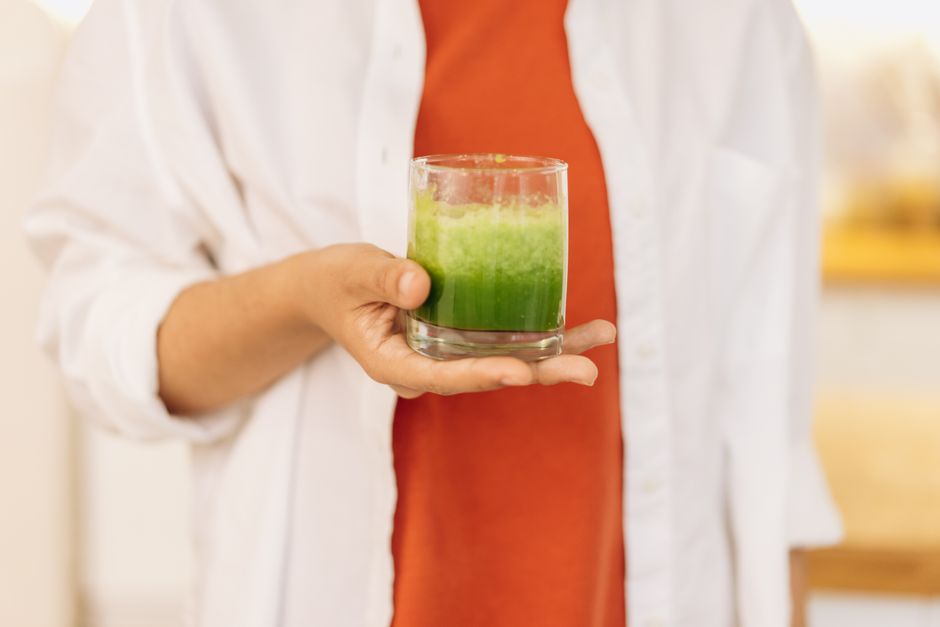
A colon cleanse is any method that claims to flush waste out of the large intestine. Some use laxatives, some use enemas or colon irrigation, and some use herbal powders and teas sold online. The idea behind them is that the colon holds onto old waste and toxins, and that clearing it out improves health. That idea does not match how the colon actually works.
What A Colon Cleanse Does to Your Body
A colon cleanse makes you move your bowels more often, usually by irritating the colon or pulling water into it. That is the main measurable effect. It does not remove toxins, because the colon is not a storage tank for toxins in the first place.
The colon’s job is to absorb water and electrolytes from what is left after digestion, and to form and store stool until you pass it. A healthy colon does this continuously. Waste does not sit there for weeks or months. What you eat today typically leaves your body within a day or two, though this varies from person to person.
Laxatives work in a few ways. Stimulant laxatives trigger muscle contractions in the colon. Osmotic laxatives draw water into the bowel. Enemas and irrigation push fluid up through the rectum to wash out the lower colon. All of these produce a bowel movement. None of them do anything the colon was not already doing on its own.
The “toxin” claim is the part that falls apart under scrutiny. The liver and kidneys handle most detoxification. The colon’s role is to remove solid waste, and it does that without help in most people. No clinical evidence confirms that colon cleansing removes toxins or prevents disease.
Does Colon Cleansing Remove Toxins?
No. There is no established mechanism by which a colon cleanse removes toxins from the body, and no clinical evidence that it does. The word “toxin” gets used loosely in this market. It rarely refers to a specific substance with a specific harm.
Your body has real detox systems. The liver processes drugs, alcohol, and metabolic waste, then sends them to the kidneys or bile for removal. The kidneys filter blood and make urine. The lungs and skin handle smaller roles. The colon is not a detox organ in the way cleanse products imply.
When a cleanse causes diarrhea, you lose water and electrolytes. That can make you feel lighter or “cleaned out” for a day. Feeling different is not the same as being healthier. Some products also change the color or smell of stool, which gets marketed as proof that toxins are leaving. It is not proof of anything.
This is worth stating plainly: the marketing around colon cleansing rests on a claim that has never been confirmed in human trials. If a product says it “flushes toxins,” ask which toxins and by what measurement. There is no answer.
What Are the Risks of Colon Cleansing?
Colon cleansing carries real risks, and some are serious. The risk level depends on the method, how often it is used, and your health history.
- Dehydration and electrolyte imbalance. Diarrhea from laxatives or irrigation can drain sodium, potassium, and other electrolytes. In serious cases this can affect heart rhythm.
- Bowel perforation. This is a rare but life-threatening complication of colon irrigation and enemas. It means a hole forms in the colon wall.
- Infection. Enema and irrigation equipment can introduce bacteria if not properly sterilized.
- Dependence on laxatives. Regular use of stimulant laxatives can make normal bowel function harder without them.
- Harmful ingredients. Some herbal cleanse products have been found to contain substances not listed on the label, or ingredients that can damage the liver or kidneys.
- Interaction with medications. Cleansing can change how your body absorbs drugs, including prescription medicines.
People with certain conditions should be especially cautious. These include inflammatory bowel disease, diverticulitis, kidney disease, heart disease, and recent bowel surgery. Anyone who is pregnant or breastfeeding should not use these products without medical guidance. No clinical guidelines support colon cleansing for general health in any population.
Some clinicians do recommend bowel preparation before a colonoscopy. That is a specific medical procedure with a specific purpose, not a general health practice. It is done under medical supervision with a controlled solution.





Do Colon Cleanses Help With Weight Loss?
Any weight lost from a colon cleanse is water and stool, not fat. It comes back as soon as you eat and drink normally. No evidence shows colon cleansing produces lasting weight loss.
This is true of cleanses, teas, and “detox” powders alike. The scale may drop for a day or two. That reflects fluid loss, and it can be dangerous if it goes too far. Fat loss requires a sustained calorie deficit, not a bowel movement.
Some people report less bloating after a cleanse. That is plausible, because passing stool and gas can reduce abdominal pressure. It is a short-term effect and says nothing about fat or long-term health.
What Actually Supports Colon Health?
Colon health comes from steady habits, not periodic flushing. The evidence here is strong and consistent.
Fiber is the main one. Fiber adds bulk to stool and helps it move through the colon. Most adults in the US do not get enough. Good sources include beans, lentils, whole grains, vegetables, and fruit.
Fluids matter too. Water helps keep stool soft. So does movement. Regular physical activity supports normal bowel function.
If you have constipation, the fix is usually fiber, fluid, activity, and sometimes an over-the-counter product recommended by a clinician. Chronic constipation can have medical causes. It is worth talking to a doctor rather than self-treating with a cleanse.
One thing that does not help: doing a cleanse to “reset” your system. Your colon does not need a reset. It needs fiber, water, and time.
When Should You See a Doctor About Bowel Symptoms?
Some bowel changes need medical attention, not a cleanse. See a doctor if you notice blood in your stool, black or tarry stool, unexplained weight loss, ongoing abdominal pain, or a change in bowel habits that lasts more than a few weeks.
These symptoms can have many causes, and some are serious. A cleanse can mask or worsen a problem that needs diagnosis. It can also delay care while you try to fix something on your own.
Routine screening is a separate matter. Colorectal cancer screening is recommended for most adults starting at age 45, though timing and method depend on your risk factors and should be discussed with a clinician. Screening finds problems early. A cleanse does not.
Frequently Asked Questions
What does a colon cleanse actually do?
It makes you have more bowel movements, usually by irritating the colon or drawing water into it. It does not remove toxins, and no clinical evidence shows it improves health.
Is colon cleansing safe?
It carries real risks, including dehydration, electrolyte imbalance, and in rare cases bowel perforation. The evidence does not support routine use in healthy people.
Can a colon cleanse help you lose weight?
No. Any weight lost is water and stool, not fat, and it returns quickly. Lasting weight loss requires a sustained calorie deficit.
Do you need to cleanse your colon for good health?
No. A healthy colon clears waste on its own. Fiber, fluids, and regular activity support bowel function far better than a cleanse.
