
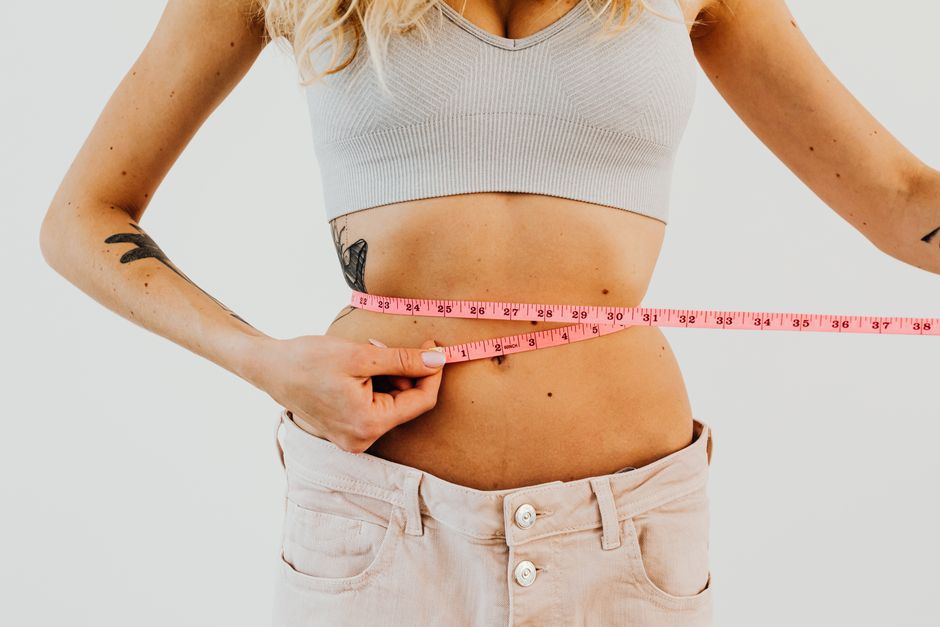
If you are a woman over 40 trying to lose weight, the rules have quietly changed. The same diet and exercise plan that worked in your twenties often produces slower results now, and that is not a failure of willpower. It is biology. Fat loss after 40 is still possible, but it usually requires protecting muscle, managing blood sugar, prioritizing sleep, and being patient with a slower rate of change than you experienced a decade ago.
The core problem is not that your metabolism collapsed. It is that muscle mass gradually declines with age, estrogen shifts during perimenopause and menopause change where your body stores fat, and everyday movement tends to drop without you noticing. The tips below focus on the levers that actually move the needle for this age group, and they are honest about what the evidence does and does not support.
Why Is Losing Weight Harder After 40?
Several well-documented changes stack up at once. The most important is the loss of muscle tissue that begins in midlife and accelerates without resistance training. Muscle burns more calories at rest than fat, so when you lose it, your daily energy expenditure drifts down.
Estrogen also plays a role. As levels decline through perimenopause and menopause, fat distribution shifts away from the hips and thighs and toward the abdomen. This is a change in where fat is stored, not proof that you are eating more. Visceral fat around the organs is more metabolically active and is linked to insulin resistance.
There is a persistent myth that metabolism crashes around 40. Research using doubly labeled water, a highly accurate method for measuring energy expenditure, found that metabolism is actually quite stable from roughly age 20 to 60. The slowdown people feel is more about lost muscle, reduced daily movement, and hormonal shifts than a sudden metabolic collapse.
Sleep and stress matter more than most people expect. Poor sleep and chronic stress raise cortisol and disrupt appetite-regulating hormones, which makes overeating more likely. None of this means weight loss is impossible. It means the approach has to change.
What Are the Most Effective Weight Loss Tips for Women Over 40?
The strategies that work best for this age group share a theme: preserve muscle, control blood sugar, and create a modest calorie deficit you can actually sustain. Aggressive crash diets backfire because they accelerate muscle loss.
- Lift weights two to three times a week. Resistance training is the single most protective habit for muscle. It helps keep your resting metabolism from falling and supports bone density, which declines faster after menopause.
- Eat enough protein. Protein helps preserve muscle during weight loss and keeps you full. Spread it across meals rather than loading it all at dinner.
- Prioritize fiber and whole foods. Vegetables, beans, and whole grains slow digestion and steady blood sugar, which reduces cravings.
- Walk more. Daily steps and general movement burn more calories over a week than a single intense workout.
- Protect sleep. Aim for consistent, adequate sleep. Short sleep is strongly tied to weight gain and harder appetite control.
- Limit alcohol. Alcohol adds calories, disrupts sleep, and tends to increase belly fat storage.
None of these are exotic. The reason they work is that they address the specific changes happening in a woman’s body after 40, rather than treating weight loss as a simple math problem.
How Much Protein Do You Actually Need?
Protein needs rise with age, partly because the body becomes less efficient at using it to build and maintain muscle. Many women over 40 eat far less than they need, especially at breakfast.
General guidance for healthy adults suggests a minimum daily protein intake, but for women over 40 who are trying to lose fat while keeping muscle, higher intakes are commonly recommended by clinicians. A practical target many dietitians use is roughly 1.2 to 1.6 grams of protein per kilogram of body weight per day, adjusted for individual health status. For a woman weighing 70 kilograms, that is roughly 84 to 112 grams daily.
This is a general range, not a prescription. Women with kidney disease or other conditions should get individual guidance from their doctor, because high protein intakes are not appropriate for everyone. No single number fits all bodies.
Distribution matters too. Getting protein at each meal, rather than mostly at dinner, appears to support muscle maintenance better. A breakfast built around eggs, Greek yogurt, or cottage cheese does more for you than a bagel and coffee.





Does Menopause Change How You Should Eat?
Yes, in specific ways. The drop in estrogen affects bone, muscle, and fat distribution, so the priorities shift slightly. Calcium and vitamin D become more important for bone health, and resistance training does double duty by supporting both muscle and bone.
Insulin sensitivity can also decline, which means the same amount of refined carbohydrate may affect you differently than it did ten years ago. This is not a reason to cut carbs entirely. It is a reason to favor slower-digesting carbohydrates and pair them with protein and fat.
The evidence on soy and phytoestrogens for menopause symptoms is mixed. Some studies suggest modest benefits for certain symptoms, while others show little effect. It is not a proven weight loss tool, and it should not be presented as one.
What is well established is that the fundamentals, protein, fiber, resistance training, and sleep, matter more during and after menopause, not less.
Why Crash Diets Stop Working After 40
Severe calorie restriction causes rapid weight loss, but a large share of that loss can come from muscle rather than fat. After 40, when muscle is already declining, this is a costly trade.
Losing muscle lowers your resting energy expenditure, which makes it easier to regain weight and harder to lose it again. This is the familiar cycle of losing and regaining, and each round can leave you with a slightly worse body composition than before.
A better approach is a modest deficit paired with high protein and resistance training. Progress will be slower. That is not a flaw in the plan, it is how sustainable fat loss works after 40. Expecting the same rate of loss you had at 25 sets you up for frustration.
What About Supplements and Diet Pills?
Most weight loss supplements sold to women over 40 are not supported by strong evidence. The marketing is often more convincing than the science.
Some ingredients have been studied, but results are typically modest, inconsistent, or based on small trials. No supplement has been shown to produce meaningful, lasting fat loss on its own. Some carry real risks, including liver damage and interactions with medications.
Prescription medications for weight loss do exist and have shown real effects in clinical trials for certain people. These require a doctor’s evaluation, because they are not appropriate for everyone and come with side effects. They are a medical decision, not a supplement aisle purchase.
There is no shortcut here worth the risk. The habits that protect muscle and control appetite do more than any pill, and they do not come with a warning label.
The Bottom Line on Weight Loss After 40
Weight loss after 40 is slower and less forgiving, but it is not out of reach. The women who succeed tend to focus on preserving muscle, eating enough protein, moving daily, sleeping well, and accepting a gradual pace.
The biggest shift is mental. Stop chasing the results you got at 25. Start building habits that protect your body for the next 25 years. That approach is not flashy, but it is the one the evidence actually supports.
Frequently Asked Questions
Can a woman over 40 lose belly fat?
Yes, but belly fat after 40 is influenced by hormonal shifts that change where fat is stored, so it often responds more slowly than fat elsewhere. Resistance training, protein, sleep, and limiting alcohol tend to help most.
How much protein should a woman over 40 eat to lose weight?
A common clinical range is about 1.2 to 1.6 grams of protein per kilogram of body weight daily, adjusted for individual health. Women with kidney conditions should get personalized guidance from a doctor.
Do weight loss supplements work for women over 40?
No supplement has been shown to produce meaningful, lasting fat loss on its own, and some carry real risks. Prescription options exist but require a doctor’s evaluation.
How fast should I expect to lose weight after 40?
Loss is typically slower than in your twenties, and a gradual pace is more sustainable and protects muscle better. Chasing rapid loss usually backfires by reducing muscle and slowing metabolism.
