
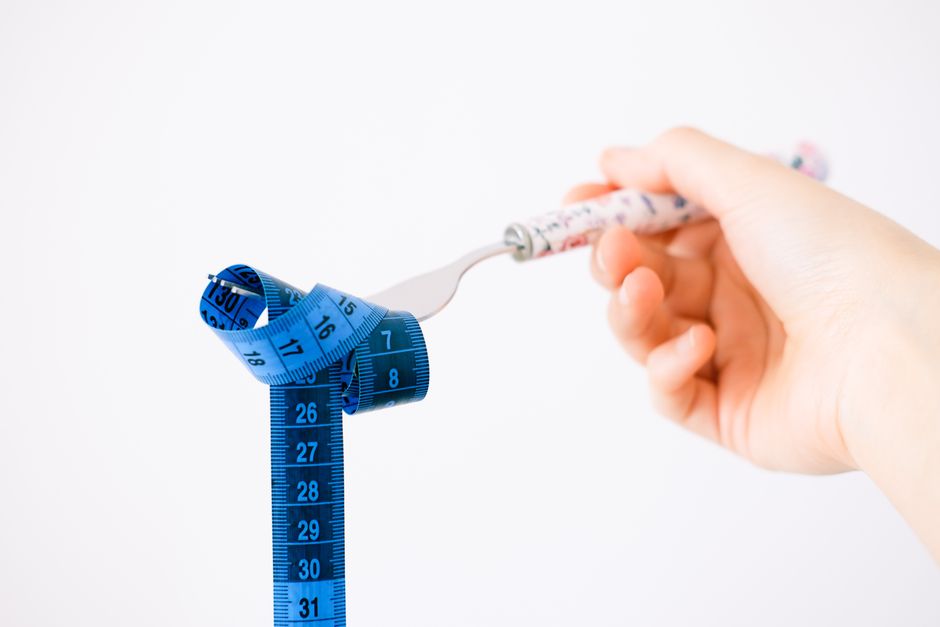
Most weight loss diets fail women not because of weak willpower but because the plan was built for someone else’s body, schedule, and history. The core principle of weight loss is the same for everyone: you need to take in fewer calories than you burn, and you need to sustain that over time. What differs for women is the hormonal context, the life stages, and the real-world constraints that determine whether a plan can actually be followed for months rather than days.
Why Do Women’s Weight Loss Needs Differ From Men’s?
Men and women lose weight through the same basic energy math, but the body composition and hormonal differences are real and worth understanding before choosing a plan.
Women generally carry a higher percentage of body fat and less lean muscle mass than men of the same weight. Lean tissue burns more calories at rest, so a woman’s resting energy expenditure tends to be lower. That means a calorie deficit that works for a man of similar size may not produce the same results for a woman — and cutting too aggressively can backfire by accelerating muscle loss.
Hormones shape where fat is stored and how easily it is mobilized. Estrogen influences fat distribution, which is why women tend to store more fat around the hips and thighs before menopause and more around the abdomen afterward. This shift is normal and driven by changing hormone levels, not by a failure of discipline.
There is one clarification worth making. The idea that women must eat dramatically less than men to lose weight is oversimplified. The better frame is that women often need to protect lean muscle while creating a modest deficit. That usually means adequate protein and resistance training alongside the calorie reduction, not just eating less.
How Do Life Stages Change What Works?
Weight loss advice that ignores a woman’s stage of life is incomplete. The same diet can behave very differently at 30, at 45, and at 60.
Reproductive Years
During the reproductive years, severe calorie restriction can disrupt menstrual cycles and hormone function. This is well documented in athletes and in women who diet aggressively. A moderate deficit with adequate nutrition is the safer approach. Pregnancy and breastfeeding are not times for intentional weight loss diets; nutritional needs increase, and any decisions should be made with a clinician.
Perimenopause and Menopause
As estrogen declines, fat storage shifts toward the abdomen and lean muscle mass tends to decrease. Many women notice that the eating pattern that maintained their weight for years no longer does. This is a physiological change, not a personal failing. Protecting muscle through strength training and keeping protein intake adequate become more important, not less.
After 60
Muscle loss accelerates with age, and inadequate protein or overly aggressive dieting can make it worse. Preserving strength and function matters as much as the number on the scale. Some clinicians place more emphasis on maintaining muscle and mobility than on reaching a specific weight.
Which Weight Loss Diets Have the Best Evidence?
No single diet has been proven superior for long-term weight loss in women. What the research consistently shows is that the best diet is one a person can actually sustain.
Studies comparing named diets — low-carbohydrate, low-fat, Mediterranean-style, and others — generally find similar average weight loss when calorie intake and adherence are comparable. The differences between plans are usually smaller than the differences between people who stick with a plan and people who abandon it.
Here is a grounded comparison of common approaches:
| Approach | Core Idea | What the Evidence Suggests |
|---|---|---|
| Calorie counting | Track intake against a target | Effective for many; requires sustained effort |
| Low-carbohydrate | Reduce carbs, often higher protein and fat | Comparable results to other plans at equal calories |
| Low-fat | Reduce dietary fat | Comparable results; adherence is the limiting factor |
| Mediterranean-style | Emphasis on vegetables, legumes, fish, olive oil | Supports heart health; modest weight loss in many studies |
| Intermittent fasting | Restrict eating to certain hours | Similar weight loss to daily calorie restriction in trials |
What the evidence does not support is the claim that any one of these is a magic solution. Weight loss from any plan tends to plateau, and long-term maintenance is the harder challenge across the board.





How Much Protein and Exercise Actually Matter
Two factors consistently make a difference in how well women lose weight and keep it off: protein intake and resistance training.
Adequate protein helps preserve lean muscle during a calorie deficit and tends to increase satiety. General guidance for adults suggests aiming for a moderate protein intake spread across meals, though exact targets vary by body weight, age, and activity. For specific numbers, a registered dietitian can tailor a target to the individual. No single figure fits everyone.
Resistance training — lifting weights, using resistance bands, or bodyweight strength work — signals the body to keep muscle. This matters more for women than it is often given credit for, because women start with less lean mass and lose it faster during aggressive dieting. Cardio has health benefits, but it does not protect muscle the way strength training does.
Sleep and stress are not soft factors. Short sleep and chronic stress are associated with changes in appetite hormones and with eating patterns that make deficits harder to maintain. These are well-established associations, though the exact mechanisms are still being studied.
Why Do Most Diets Fail Over Time?
Most diets fail because they are too restrictive to sustain, not because the person lacks commitment. The pattern is predictable.
Very low calorie intake triggers hunger and can slow metabolism somewhat through reduced activity and loss of lean tissue. The body defends against weight loss. This is a normal physiological response, not a sign of weakness.
Plans that eliminate entire food groups or demand elaborate meal prep often collapse under real life — work, family, travel, and social eating. When a diet is abandoned, weight often returns, and sometimes more than was lost. This cycle is common and discouraging, but it reflects the plan’s design more than the person’s effort.
A more sustainable approach usually includes:
- A modest calorie deficit rather than an extreme one
- Protein at each meal to support fullness and muscle
- Strength training a few times a week
- Room for flexibility so the plan survives busy weeks
- Regular check-ins rather than all-or-nothing thinking
Slow, steady loss is easier to maintain than rapid loss. That is one of the more consistent findings in weight management research, even though the exact rate varies by person.
What About Supplements and Diet Products Marketed to Women?
The weight loss supplement market is largely unregulated in terms of proof, and most products marketed to women have little to no high-quality evidence behind them.
Some ingredients have been studied, but results are often mixed, and many products combine several ingredients so it is impossible to know what, if anything, is doing the work. No supplement has been shown to produce meaningful, lasting weight loss on its own. Claims like “burns fat” or “blocks carbs” are marketing language, not demonstrated outcomes.
Some products carry real risks. Stimulant-based fat burners can raise heart rate and blood pressure, and interactions with medications are possible. Anyone considering a supplement should check with a clinician or pharmacist first, especially if they take prescription medication or have a heart condition.
How Should Women Approach Weight Loss Realistically?
The most reliable approach is unglamorous: a modest, sustainable calorie deficit, enough protein, strength training, adequate sleep, and a plan that fits real life. No single diet outperforms the others when adherence is equal.
It also helps to define success beyond the scale. Energy, strength, sleep quality, and how clothes fit are meaningful markers that often improve before weight changes are dramatic. Progress is rarely linear, and plateaus are normal.
Women with underlying conditions — thyroid disorders, PCOS, insulin resistance, or a history of disordered eating — should work with a clinician rather than following a generic plan. The same advice does not fit every body, and a personalized approach is more likely to be safe and effective.
Frequently Asked Questions
What is the best weight loss diet for women?
There is no single best diet; research shows similar weight loss across plans when calorie intake and adherence are comparable. The best plan is one you can sustain long-term.
How much protein should women eat to lose weight?
General guidance suggests a moderate protein intake spread across meals, but exact targets vary by body weight, age, and activity. A registered dietitian can set a target for your situation.
Why is it harder for women to lose weight after menopause?
Declining estrogen shifts fat storage toward the abdomen and contributes to loss of lean muscle, which lowers resting calorie burn. Strength training and adequate protein help counter this.
Do weight loss supplements work for women?
Most supplements marketed to women have little to no high-quality evidence for lasting weight loss. Some carry real risks, so check with a clinician before using them.
