
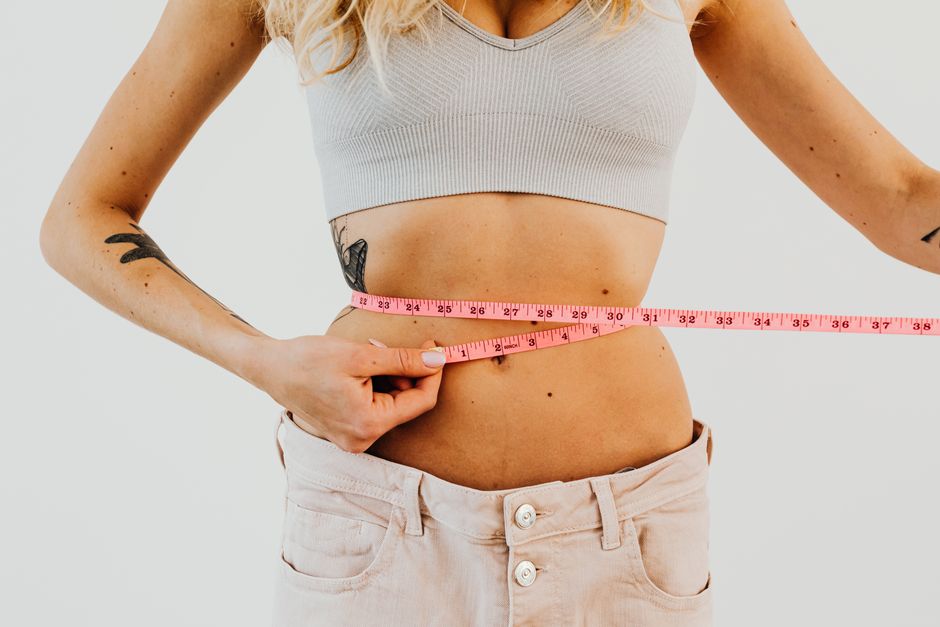
Weight loss for women is not about willpower. It is about how your body uses energy, hormones, and food. The basics come down to eating slightly fewer calories than your body burns, while keeping muscle and managing stress. No single diet works for everyone, but the underlying biology is the same for all women.
Why Is Weight Loss Different for Women?
Women carry more body fat and less muscle than men on average. Muscle burns more calories at rest than fat does. That means a woman’s resting metabolism is typically lower than a man’s of the same size.
Hormones also play a role. Estrogen and progesterone shift across the menstrual cycle, which can affect appetite, water retention, and energy levels. These changes are real, but they are usually small. They do not explain long-term weight gain or difficulty losing weight.
Thyroid function matters too. Underactive thyroid, or hypothyroidism, is more common in women and can slow metabolism. If weight loss feels impossible despite consistent effort, a simple blood test for thyroid stimulating hormone is a reasonable first step.
What Creates a Calorie Deficit?
A calorie deficit means eating fewer calories than your body uses in a day. Your body uses calories for basic functions like breathing and heartbeat, plus physical activity and digestion. When the deficit is consistent, stored fat becomes fuel.
A deficit of about 500 calories per day typically leads to about one pound of weight loss per week. That rate is sustainable for most women. Faster loss often means losing water and muscle, not just fat.
You do not need to count every calorie forever. But tracking food for a few weeks gives you an honest picture of portion sizes and hidden calories. Many women underestimate how much they eat by 30 percent or more.
Protein is the most filling nutrient. Women aiming for weight loss often benefit from 20 to 30 grams of protein per meal. This helps preserve muscle and reduces hunger between meals.
Which Foods Help Most with Weight Loss?
Whole foods with high water and fiber content are the most practical choice. Vegetables, fruits, lean proteins, and whole grains keep you full for fewer calories than processed foods.
Fiber slows digestion and stabilizes blood sugar. Women should aim for about 25 grams of fiber daily, which is the general dietary recommendation for adult women. Most women get less than half of that.
Protein sources like chicken, fish, eggs, beans, and Greek yogurt support muscle maintenance. A higher protein intake also increases the thermic effect of food, meaning your body burns slightly more calories digesting protein than carbs or fat.
Liquid calories are easy to overlook. Sugary drinks, juice, and specialty coffee drinks can add 300 to 500 calories without making you feel full. Replacing these with water or unsweetened tea is one of the simplest changes to make.





How Does Strength Training Help Women Lose Weight?
Strength training builds and preserves muscle. More muscle raises your resting metabolic rate, so you burn more calories even when sitting still. This effect is modest but meaningful over time.
Cardio burns more calories during the workout itself. Strength training creates a longer-lasting metabolic effect after the session ends. Most women benefit from doing both.
Two to three strength sessions per week is a reasonable starting point. Exercises like squats, push-ups, rows, and lunges target the largest muscle groups. Bodyweight exercises count if you are just beginning.
Do not worry about getting bulky. Women do not naturally produce enough testosterone to build large muscles without years of deliberate training and specific nutrition. Strength training produces a leaner, firmer appearance.
How Much Cardio Do You Actually Need?
The general physical activity guideline for adults is 150 minutes of moderate-intensity cardio per week. That breaks down to about 30 minutes, five days per week. This amount supports heart health and contributes to a calorie deficit.
Walking counts if your heart rate is elevated and you are breathing faster than usual. Brisk walking, cycling, swimming, and dancing all qualify as moderate-intensity cardio.
For weight loss specifically, some women need more than 150 minutes per week. Increasing to 200 to 300 minutes per week is common in successful weight loss maintenance. That is roughly 40 to 60 minutes most days.
High-intensity interval training, or HIIT, can shorten workout time. Short bursts of hard effort followed by recovery have been shown to improve fitness and burn calories efficiently. But HIIT is not superior to steady cardio for fat loss when total calories burned are equal.
What Role Do Hormones Play in Midlife Weight Gain?
Perimenopause and menopause bring real metabolic changes. Estrogen decline is linked to increased abdominal fat storage. Many women notice weight settling around the middle even when their diet and exercise habits stay the same.
This is not simply about aging. Research indicates that the hormonal transition itself contributes to fat distribution changes. The total amount of weight gain varies, but the pattern shift toward abdominal fat is well documented.
Muscle loss accelerates during midlife as well. Women can lose 3 to 8 percent of muscle mass per decade after age 30, with the rate increasing after menopause. Strength training becomes more important during these years, not less.
Sleep quality often declines during perimenopause. Poor sleep raises ghrelin, the hunger hormone, and lowers leptin, the fullness hormone. This combination increases appetite and cravings for high-calorie foods.
How Does Sleep Affect Weight Loss?
Sleep is a weight loss factor that many women overlook. Adults generally need seven to nine hours of sleep per night. Consistently sleeping less than seven hours is linked to higher body weight and more abdominal fat.
Short sleep changes appetite-regulating hormones. Ghrelin rises, making you feel hungrier. Leptin falls, making it harder to feel satisfied. This is a biological response, not a lack of discipline.
Sleep deprivation also increases cortisol, the stress hormone. Higher cortisol is associated with increased appetite and a preference for energy-dense foods. It also encourages fat storage around the abdomen.
Improving sleep habits can directly support weight loss efforts. Keeping a consistent sleep schedule, limiting caffeine after midday, and avoiding screens before bed are practical first steps.
How Does Stress Interfere with Weight Loss?
Chronic stress keeps cortisol levels elevated. Cortisol signals your body to conserve energy and store fat, particularly in the abdominal area. This is an evolutionary response that worked well for short-term threats but backfires under modern chronic stress.
Stress also changes eating behavior. Many women reach for high-fat, high-sugar foods when stressed because these foods temporarily dampen the stress response in the brain. This is a biological reward mechanism, not simply a weak moment.
Managing stress does not mean eliminating it entirely. It means building regular practices that lower the stress response. Walking, breathing exercises, and adequate sleep are evidence-based approaches.
Mindful eating can help break the stress-eating cycle. Eating without screens, chewing slowly, and paying attention to fullness signals can reduce total calorie intake without restrictive dieting.
Should You Count Calories or Macros?
Calorie counting is the most direct way to create a deficit. It works because it gives you a number to target. The main downside is that it can become tedious and feels restrictive for some women.
Macro tracking focuses on grams of protein, carbs, and fat rather than total calories. This approach ensures adequate protein intake, which supports muscle preservation. It still requires weighing and logging food.
Neither method is inherently better. The best approach is the one you can maintain. Some women do well with calorie counting for a few weeks to recalibrate portion sizes, then switch to a more intuitive approach.
Portion control without tracking can work for many women. Using smaller plates, filling half the plate with vegetables, and serving food from the stove rather than the table are simple strategies that reduce intake without math.
What Are the Most Common Mistakes Women Make?
Eating too little is a frequent mistake. Severe calorie restriction triggers hunger hormones and slows metabolism. Women who eat too little often lose muscle, feel exhausted, and eventually regain weight when they return to normal eating.
Relying on exercise alone is another common error. Exercise burns calories, but it is far easier to eat back those calories than to burn them off. Diet has a larger impact on weight loss than exercise for most people.
Weighing yourself daily can create unnecessary stress. Water weight fluctuates naturally with the menstrual cycle, sodium intake, and carbohydrate consumption. Weekly weigh-ins at the same time of day give a more accurate trend.
Quitting at the first plateau is the most costly mistake. Weight loss naturally slows as you lose weight because a smaller body requires fewer calories. Adjusting intake downward or increasing activity can restart progress, but plateaus are a normal part of the process.
What Is the Most Sustainable Approach?
The most sustainable approach combines a modest calorie deficit, adequate protein, regular strength training, and enough sleep. These four elements work together and reinforce each other.
Flexibility matters more than perfection. A meal plan that allows for occasional treats is easier to maintain than one that forbids them. Women who allow themselves some flexibility tend to stick with their approach longer.
Weight loss of one to two pounds per week is a realistic target for most women. Faster rates are possible but often come with muscle loss and rebound weight gain. Slow and steady produces better long-term results.
There is no single right diet. Low-carb, Mediterranean, and balanced approaches all produce weight loss when they create a calorie deficit. The best diet is the one that fits your preferences and that you can follow consistently.
Frequently Asked Questions
How many calories should a woman eat to lose weight?
Most women lose weight eating 1,200 to 1,500 calories per day, but this varies with age, height, and activity level. A more accurate approach is to subtract 500 calories from your maintenance intake, which you can estimate with an online calculator.
Can I lose belly fat specifically?
Spot reduction is not possible. You lose fat from all over your body, and genetics determine where it comes off first. A calorie deficit combined with strength training will eventually reduce abdominal fat, but you cannot choose the order.
How long does it take to see weight loss results?
Most women notice changes in the first two to four weeks, though the scale may not move much initially due to water retention. Visible changes in clothing fit often appear by week four to six.
Is intermittent fasting safe for women?
Intermittent fasting is safe for most healthy women, but it is not more effective than regular calorie restriction for weight loss. Some women find it helpful for controlling portions, while others experience increased hunger and irritability.
