
By the third hour of back-to-back video calls, your eyes start doing that thing — dry, achy, refusing to focus on the next line of text without effort.
A lot of people chalk it up to “just getting older” or “too much screen time,” which is exactly why eye-support capsules built around carotenoids and antioxidants have gotten more attention lately.
Visivra is one of them, sold under the label “Ocular Support & Visual Clarity Matrix.”
What sets Visvra apart from other eye support supplements isn’t a single miracle ingredient; it’s stacking lutein, zeaxanthin, bilberry, and astaxanthin together and betting the combination beats any one of them alone.
The catch with eye strain specifically is that it’s rarely just a screen-time problem — oxidative stress in the retina and thinning macular pigment build up slowly, so a product either needs weeks to show anything or it isn’t really addressing the cause.
Here we have written everything in this Visivra Review that we found after checking Visivra’s actual label claims against the published research on each ingredient it uses.
Visivra Editorial Rating
What Is Visivra
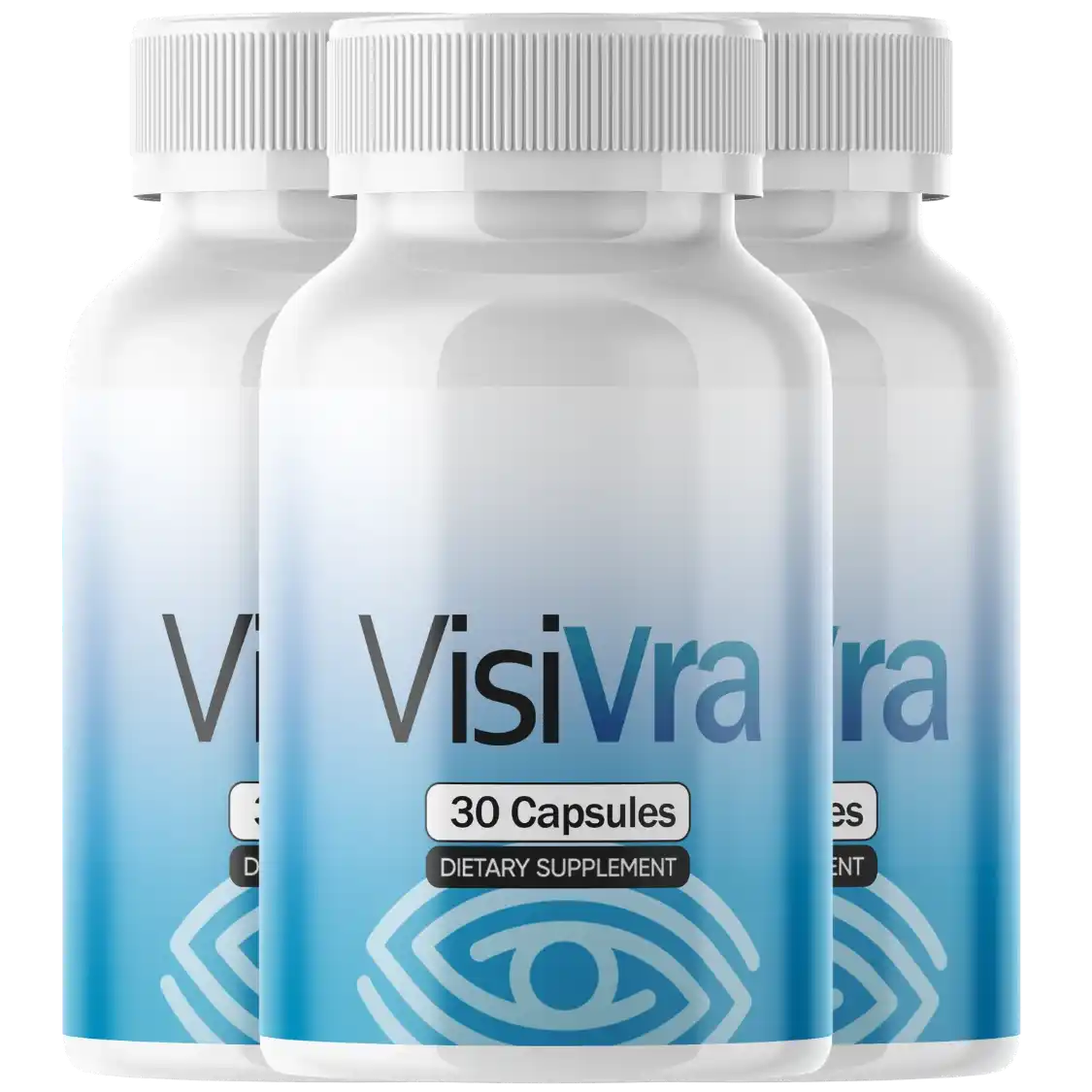
Visivra is a dietary supplement designed to support eye health, visual clarity, and daily ocular comfort.
It’s built around what the brand calls the “Ocular Support & Visual Clarity Matrix” — a blend of carotenoids, a berry extract, and a marine-derived antioxidant rather than one single active ingredient.
The formula combines Lutein, Zeaxanthin, Bilberry Extract, Astaxanthin, Zinc, and Vitamin A, taken daily in capsule form.
Visivra is positioned for adults dealing with digital eye strain, occasional dryness, or general concerns about long-term vision health, rather than as treatment for a diagnosed eye disease.
How Does Visivra Work
In short: Visivra pairs carotenoids that filter blue light in the macula with an antioxidant that reaches the eye’s focusing muscle, plus two nutrients tied to night vision. The diagram above shows which ingredient targets which part of the eye.
The mechanisms behind it are standard, well-studied carotenoid and antioxidant biology.
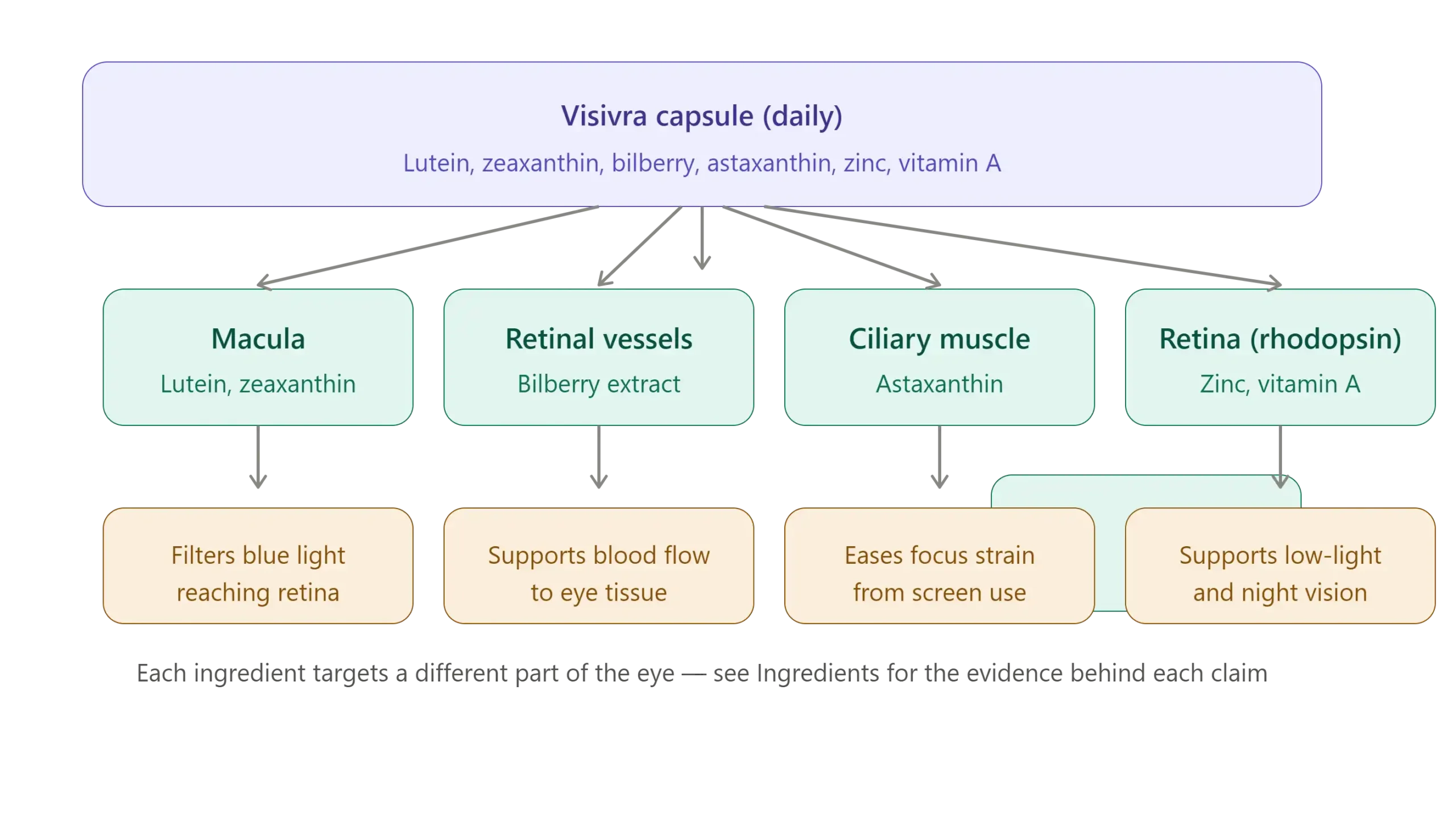
- Lutein and zeaxanthin build up in the macula, where they act like an internal blue-light filter for the retina. This is the same pathway studied in the National Eye Institute’s AREDS2 trial.1Lutein and Zeaxanthin and Their Roles in Age-Related Macular Degeneration—Neurodegenerative Disease, PubMed Central.
- Bilberry extract contains anthocyanins believed to support blood flow to small vessels feeding the retina — though how well this holds up varies by claim, covered honestly in the Ingredients section below.
- Astaxanthin can cross the blood-retinal barrier and is linked to reduced strain on the eye’s focusing muscle during near-work and screen use.
- Zinc and vitamin A work as a pair: zinc ferries vitamin A to the retina,2Zinc in the Retina May Indicate A New Way to Protect and Regenerate the Optic Nerve in Glaucoma Patients, Glaucoma Research Foundation. where it’s needed to make rhodopsin, the protein behind low-light and night vision.
HBMag assessment: The core mechanisms for lutein, zeaxanthin, and astaxanthin are backed by real human research — but that research was mostly done on the ingredients generally, not on the Visivra formula as a finished product.
Visivra Ingredients Analysis
Lutein
Lutein is a carotenoid that accumulates in the macula and filters high-energy blue light.
Evidence: The AREDS2 trial tested lutein at 10 mg/day, and a meta-analysis of 20 RCTs confirmed dose-related increases in macular pigment density. Visivra’s label doesn’t list a milligram amount.

Zeaxanthin
Zeaxanthin concentrates in the center of the macula, where the sharpest vision happens.
Evidence: AREDS2 used 2 mg/day paired with lutein. The same 20-RCT meta-analysis found it raises macular pigment density in both healthy adults and AMD patients. Visivra doesn’t disclose its dose.

Bilberry Extract
Bilberry extract is rich in anthocyanins, linked to eye comfort and circulation.
Evidence: Smaller trials using 120–600 mg/day for 4–12 weeks found improvements in dry eye symptoms and eye fatigue. Dose isn’t disclosed on Visivra’s label.
Astaxanthin
Astaxanthin is a marine-derived antioxidant that crosses the blood-retinal barrier.
Evidence: A 2025 randomized, double-blind, placebo-controlled trial using 4 mg/day for 84 days found reduced digital eye strain and improved tear production versus placebo.

Vitamin A
Vitamin A is essential for making rhodopsin, the protein your retina needs for night vision.
Evidence: Vitamin A’s role in vision is well established, particularly in people who are deficient in it.

Zinc
Zinc transports vitamin A from the liver to the retina, supporting night vision function.
Evidence: Zinc is a core component of the original AREDS and AREDS2 formulas.
Visivra Benefits
Less digital eye strain
Astaxanthin and lutein are meant to ease the fatigue that builds up after hours of screen time, based on research on those ingredients specifically for eye strain.
Blue light filtering support
Lutein and zeaxanthin accumulate in the macula, where they act as a natural filter against high-energy blue light from phones and monitors.
Comfort during long reading or driving sessions
Bilberry extract is included for its link to eye comfort and circulation support, which may help during extended near-work or evening driving.
Night vision nutrient support
Zinc and vitamin A work together to support rhodopsin production, the protein your eyes rely on in low light.
Simple daily routine
One capsule format combines six ingredients, so there’s no need to manage multiple separate supplements for eye support.
How To Use Visivra
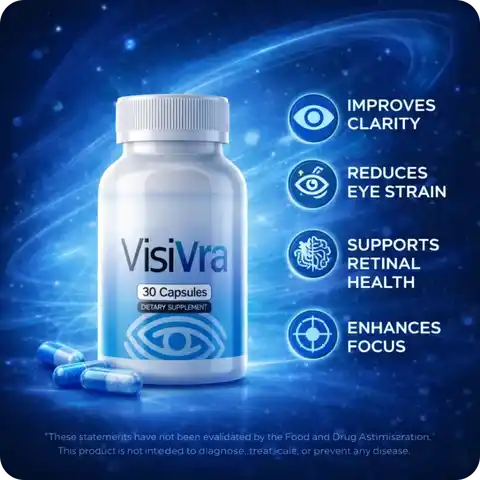
Visivra comes in capsule form and is meant to be taken once daily, though bottle labeling on some sources references two capsules per serving — worth checking against your actual bottle when it arrives.
Take it with a meal that contains some fat, since lutein, zeaxanthin, and astaxanthin are fat-soluble and absorb better alongside food.
Avoid doubling up on doses if you miss a day. Just resume your normal schedule at the next meal.
Tips for Best Results:
- Take Visivra at the same time each day to build a consistent routine.
- Pair it with basic screen habits, like the 20-20-20 rule: every 20 minutes, look at something 20 feet away for 20 seconds.
- Give it a full 8–12 weeks before judging results, since carotenoid buildup in the eye happens gradually.
- Keep taking it consistently rather than skipping days, since benefits are tied to steady nutrient levels, not one-time doses.
Understanding Macular Pigment and Blue Light
Your macula sits at the center of the retina and handles your sharpest, most detailed vision — reading, faces, screens.
It naturally holds a layer of pigment made from carotenoids like lutein and zeaxanthin, which the body can’t produce on its own and gets only through diet or supplements.
This pigment acts like an in-eye filter, absorbing high-energy blue light before it reaches the light-sensitive cells underneath.
Diets low in leafy greens and colorful produce tend to track with lower macular pigment density over time, which is the basic rationale behind carotenoid supplements like Visivra.
It’s worth noting that macular pigment density builds up slowly with consistent intake — it’s not something that changes within days of starting a new supplement.
Visivra User Reviews & Complaints
“Less eye strain and dryness after a few weeks of consistent use” — a recurring pattern among users who spend most of the day on a screen.
Common theme across public reviews
“Night driving felt more comfortable” — improvement that reviewers generally place around the one-month mark, not immediately.
Common theme across public reviews
“Easy to fit into a daily routine” — a common note on the capsule format, with no strong taste or aftertaste mentioned.
Common theme across public reviews
Common User Complaints
Slow to notice results
A recurring complaint is that changes aren’t obvious in the first couple of weeks, which lines up with how carotenoid-based supplements are expected to work.
No listed ingredient doses
Some reviewers flag frustration that the label doesn’t break out milligram amounts for lutein, zeaxanthin, or the other actives.
Return shipping cost
A few complaints mention that customers pay their own return shipping if they request a refund, which isn’t disclosed until you read the returns page closely.
Visivra Side Effects & Safety
Visivra uses ingredients with generally well-documented safety profiles, and serious side effects are uncommon when used as directed.
- Mild digestive upset — most likely if taken on an empty stomach; taking it with food usually helps.
- Carotenemia — a harmless yellowish skin tint linked to very high, sustained carotenoid intake; typically resolves once intake is reduced.
- Marine allergy risk — astaxanthin is derived from algae or marine sources, so those with marine allergies should be cautious.
- Not for under 18, pregnant, or nursing — consult a doctor before starting if this applies to you.
- Drug interactions — check with your healthcare provider first if you’re on blood thinners or have a diagnosed eye condition or upcoming eye surgery.
If you experience any side effects, stop using it and talk to a healthcare professional.
Visivra Price
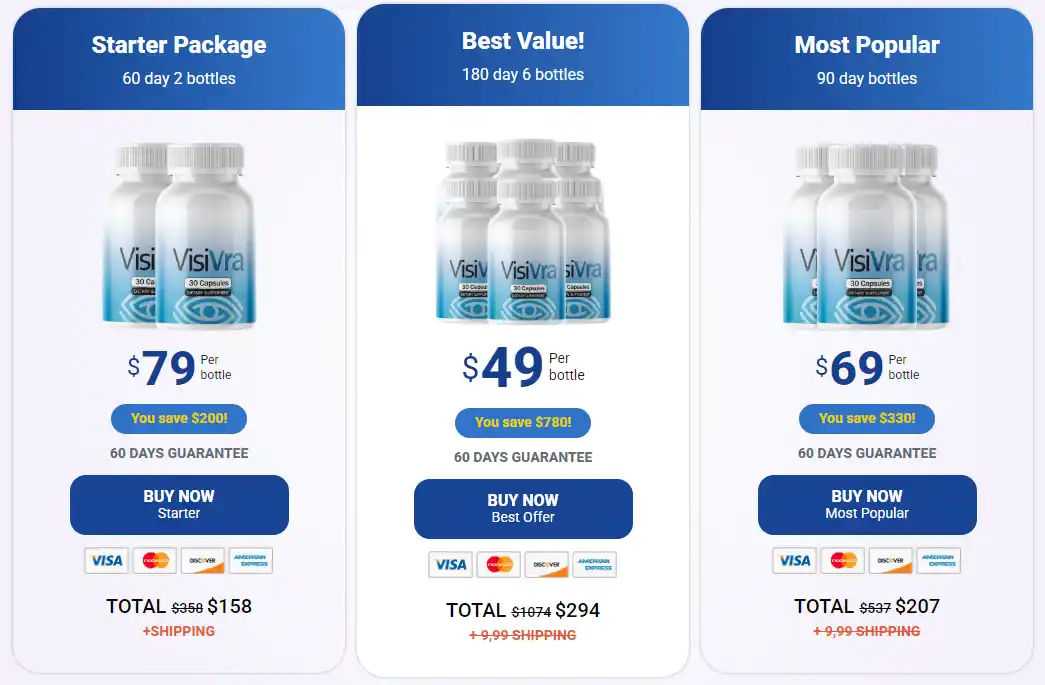
Visivra is sold in three bundle sizes on the official website, with the per-bottle price dropping as you buy more.
| Package | Bottles | Price Per Bottle | Total Price | Labeled Supply |
|---|---|---|---|---|
| Starter | 2 | $79 | $158 + shipping | Listed as “60 day” on the order page |
| Most Popular | 3 | $69 | $207 + shipping | Listed as “90 day” on the order page |
| Best Value | 6 | $49 | $294 + shipping | Listed as “180 day” on the order page |
The 6-bottle package is the best per-bottle value at $49, a 38% drop from the single-bottle-equivalent $79 price — worth it if you’re already committed to the 8-12 week window needed to judge results.
Visivra Pros And Cons
Pros
- Includes lutein, zeaxanthin, and astaxanthin — three ingredients with real human-trial support for macular health and digital eye strain
- 60-day money-back guarantee confirmed consistently on both the order page and the dedicated returns page
- Simple, once-daily capsule format that’s easy to fit into a routine
- Non-GMO, gluten-free, vegetarian-friendly positioning
- Best-value 6-bottle package drops the per-bottle price to $49, a real discount off the $79 single-bottle price
Cons
- Only available through the official website, not in stores or on other marketplaces
- Results build gradually over 8–12 weeks — not a fit if you’re expecting overnight results
- Customers may need to cover their own return shipping if requesting a refund
Conclusion On Visivra Reviews
Best for: Visivra is best suited for adults dealing with day-to-day digital eye strain — the kind that comes from long screen hours, not a diagnosed eye condition. It fits people who want a carotenoid and antioxidant routine and are comfortable buying online only.
Not ideal for: Skip this one if you need exact clinical dosing for medical reasons, since Visivra doesn’t list milligram amounts on its label. It’s also not the right pick if you’re hoping for a fix within the first week or two.
Expected timeline: Based on the research behind its key ingredients, most people shouldn’t expect noticeable change before 3–4 weeks, with fuller effects — if they show up — closer to 8–12 weeks of consistent daily use.
Overall recommendation: Visivra brings together a genuinely evidence-supported set of ingredients at $49–$79 per bottle, but the lack of disclosed doses means you’re trusting the brand’s formulation rather than verifying it against the research yourself. For a low-stakes 60-day trial with a real refund option, it’s a reasonable one to try — just don’t expect it to outperform a diagnosed prescription treatment.
If digital eye strain is wearing you down and you’re open to a gradual, natural approach, Visivra is worth a closer look.
Where to Find It: Check the Official Visivra WebsiteVisivra VS Other Options
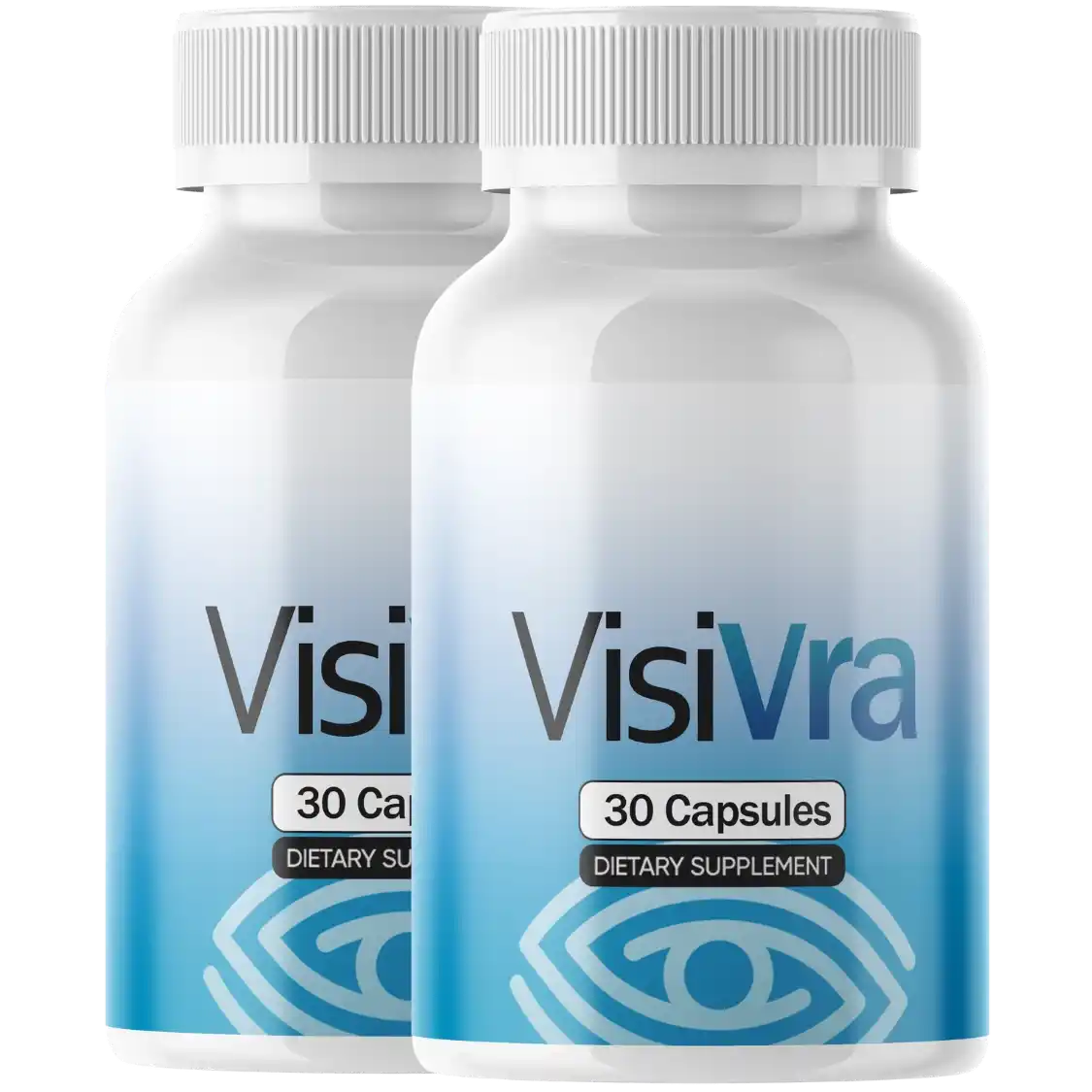
Visivra
★★★★★★★★★★4.2/5- Capsule, 6 core ingredients
- Lutein, zeaxanthin, bilberry, astaxanthin
- $49–$79 per bottle
- 60-day guarantee
Simplest of the three formulas, with real trial support behind its core actives — but no disclosed doses.
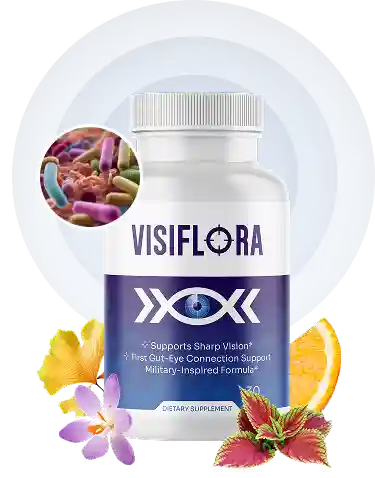
VisiFlora
★★★★★★★★★★4.2/5- Capsule, 22-ingredient formula
- Lutein, zeaxanthin, astaxanthin, bilberry, saffron, lycopene
- $49–$79 per bottle
- 60-day guarantee
Shares most of Visivra’s core actives but adds saffron, lycopene, and gut-support ingredients for a broader (and pricier-feeling) formula.
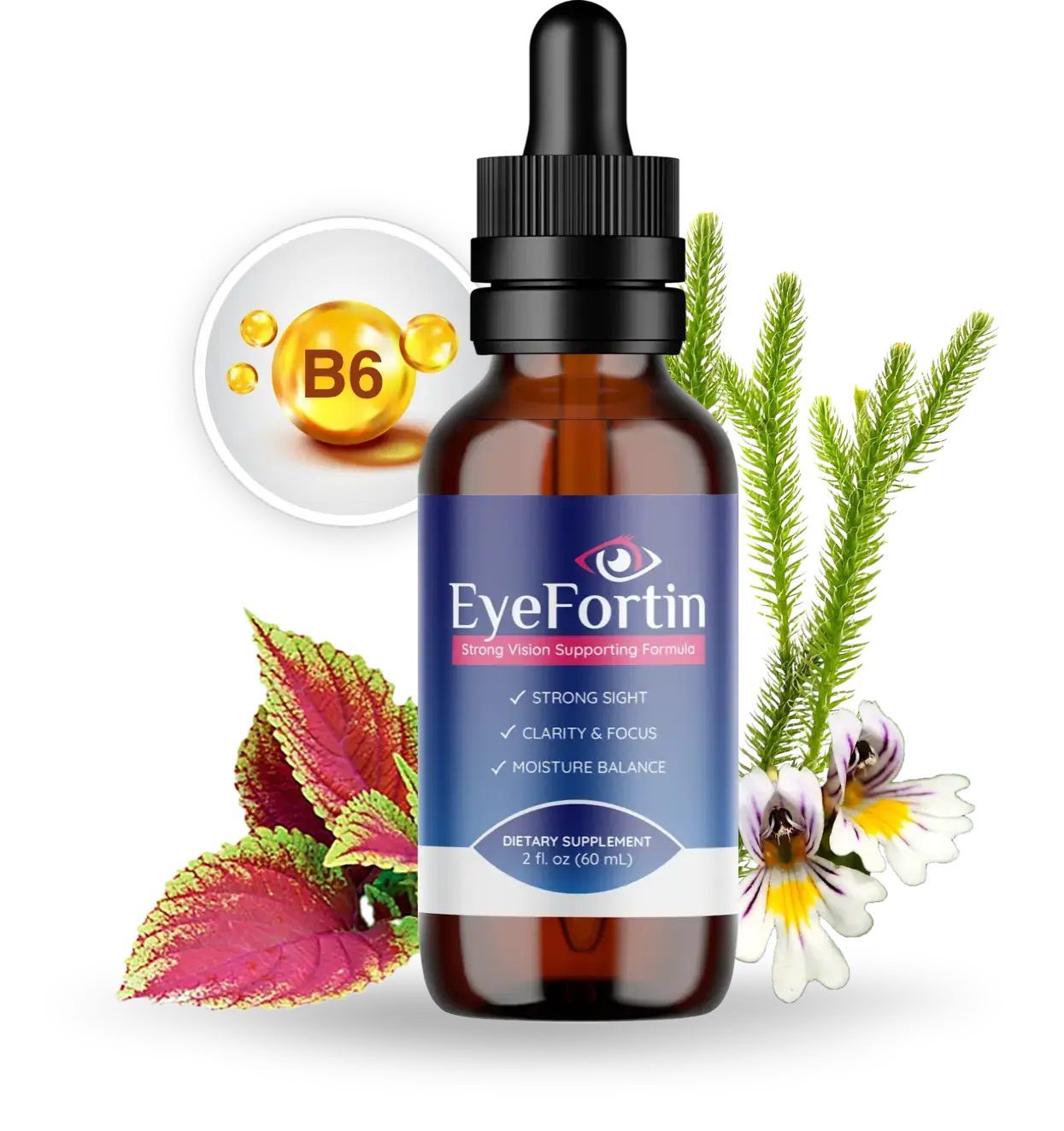
EyeFortin
★★★★★★★★★★4.1/5- Liquid dropper, no carotenoids
- Taurine, niacin, Alpha GPC, Huperzine A
- $49–$69 per bottle
- 60-day guarantee
A completely different approach — nerve-signaling ingredients instead of carotenoids, in a liquid format for people who dislike capsules.
A genuine note on how these actually differ: Visivra and VisiFlora overlap heavily on core ingredients (lutein, zeaxanthin, astaxanthin, bilberry, zinc, vitamin A), so the real choice between them comes down to whether you want VisiFlora’s larger 22-ingredient formula and gut-support angle or Visivra’s simpler, more focused 6-ingredient version. EyeFortin isn’t really a substitute for either — it skips carotenoids entirely and bets on nerve-signaling compounds instead, so it’s a fit for people who specifically dislike swallowing capsules or want to try a different mechanism.
FAQs On Visivra
Does Visivra really work?
Several of Visivra’s ingredients — lutein, zeaxanthin, and astaxanthin — have real human clinical trial support for macular health and digital eye strain. But no published trial has tested the finished Visivra formula itself, and the label doesn’t disclose milligram doses, so results depend on how closely the actual formulation matches the doses used in research.
Where can I buy Visivra?
Visivra is sold exclusively through its official website. It isn’t listed on Amazon, Walmart, or in physical stores.
Is Visivra a good dietary supplement?
Visivra is a reasonable option for adults looking for daily carotenoid and antioxidant support for digital eye strain, especially given its 60-day money-back guarantee. It isn’t a substitute for treating a diagnosed eye condition.
What are the side effects of Visivra?
Reported side effects are generally mild and uncommon, and may include digestive upset if taken on an empty stomach or, rarely, a harmless yellowish skin tint from high carotenoid intake. Stop use and consult a healthcare professional if you experience any side effects.
How long does it take to see results from Visivra?
Most people shouldn’t expect noticeable change before 3–4 weeks, with fuller effects developing over 8–12 weeks of consistent daily use, based on the research timelines for its key ingredients.
What are common Visivra complaints?
The most common complaints relate to slow results in the first couple of weeks, the lack of listed ingredient doses, and having to cover return shipping costs if requesting a refund.
Does Visivra have a money-back guarantee?
Yes. Visivra offers a 60-day money-back guarantee, confirmed consistently on both the official order page and the dedicated returns page. Customers are responsible for return shipping costs.
Scientific References
- 1Lutein and Zeaxanthin and Their Roles in Age-Related Macular Degeneration—Neurodegenerative Disease, PubMed Central. ↩︎
- 2Zinc in the Retina May Indicate A New Way to Protect and Regenerate the Optic Nerve in Glaucoma Patients, Glaucoma Research Foundation. ↩︎
