
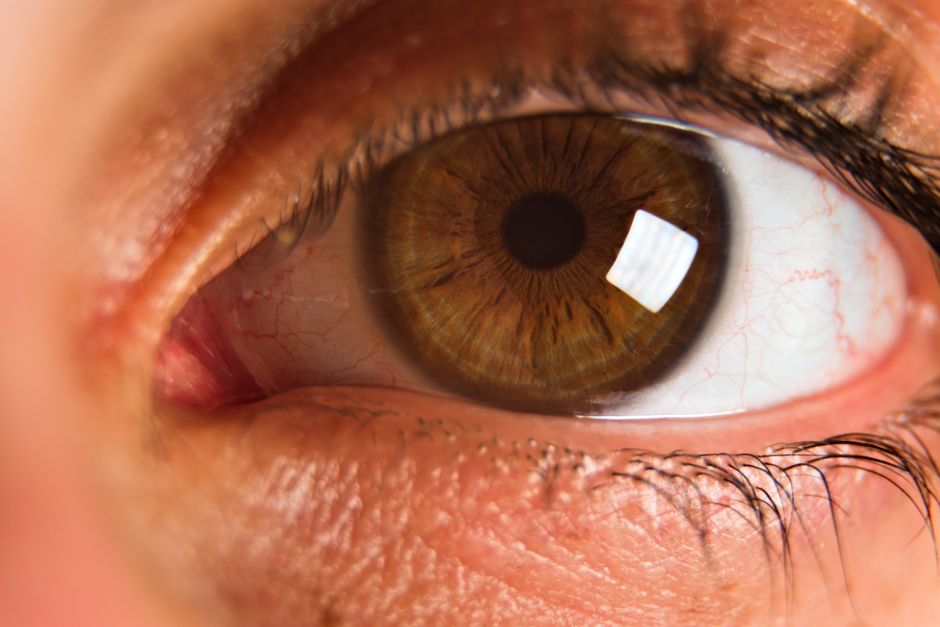
If you want to know how to increase vision naturally, the direct answer is that you cannot reverse most serious eye diseases like cataracts, glaucoma, or macular degeneration with diet or eye exercises alone. However, research shows you can protect your vision from getting worse and support your eye health through specific nutrients, lifestyle changes, and habits that reduce strain. The truth is that many popular vision “cures” are overhyped, but there are proven steps that genuinely help your eyes function better for longer.
What Actually Causes Vision to Decline?
Understanding why vision gets worse is the first step. Most age-related vision loss comes from three main sources: oxidative stress, inflammation, and physical changes to the eye structure. The lens of your eye can become cloudy (cataracts). The macula at the back of your eye can deteriorate (macular degeneration). The pressure inside your eye can damage the optic nerve (glaucoma).
There is also a fourth cause that gets less attention: digital eye strain. The American Optometric Association reports that 50% to 90% of people who work at a computer experience symptoms of eye strain. This includes dry eyes, blurred vision, and headaches. While this does not cause permanent damage on its own, it makes your vision feel worse and can accelerate other problems if ignored.
Your genetics play a large role in eye health. If your parents had macular degeneration or glaucoma, your risk is higher. You cannot change your genes. But you can change how well your eyes handle the stress that leads to disease.
What Nutrients Actually Support Eye Health?
The strongest evidence for natural vision support comes from specific vitamins and minerals. The Age-Related Eye Disease Study (AREDS and AREDS2), published by the National Institutes of Health, found that a specific combination of nutrients slowed the progression of macular degeneration by about 25% in people with intermediate disease. This is the most well-studied nutritional approach for eye health.
The AREDS2 formula includes:
- Vitamin C: 500 mg
- Vitamin E: 400 IU
- Zinc: 80 mg (with copper to prevent deficiency)
- Lutein: 10 mg
- Zeaxanthin: 2 mg
Lutein and zeaxanthin are the two nutrients that get the most attention for natural vision improvement. They are carotenoids that collect in your macula and act like internal sunglasses. They filter harmful blue light and protect the retina from oxidative damage. Research published in JAMA Ophthalmology found that people with higher dietary intake of lutein and zeaxanthin had a significantly lower risk of developing advanced macular degeneration.
You can get these from leafy greens like spinach, kale, and collard greens. Egg yolks are also a good source because the fat helps your body absorb the carotenoids. One large egg provides about 0.3 mg of lutein, which is modest but more absorbable than from vegetables alone.
Vitamin A and beta-carotene are also important for night vision and overall eye health. A deficiency in vitamin A can cause night blindness and dry eyes. However, most people in the US get enough from their diet. Taking extra vitamin A beyond what you need does not improve vision further and can be toxic in high doses.
| Nutrient | What It Does | Food Sources | Evidence Strength |
|---|---|---|---|
| Lutein & Zeaxanthin | Protect macula from blue light damage | Spinach, kale, eggs | Strong – AREDS2 trial |
| Vitamin C | Antioxidant for lens health | Oranges, bell peppers | Moderate – observational studies |
| Vitamin E | Protects cell membranes in eyes | Almonds, sunflower seeds | Moderate – part of AREDS |
| Zinc | Transports vitamin A to retina | Oysters, beef, pumpkin seeds | Strong – AREDS trial |
| Omega-3s (DHA) | Reduces dry eye symptoms | Salmon, sardines, flaxseed | Moderate – some relief for dry eye |
Omega-3 fatty acids, specifically DHA, are found in high concentrations in your retina. Some studies suggest that omega-3 supplements can help with dry eye syndrome by improving the quality of your tear film. The evidence is not as strong as for lutein and zeaxanthin in preventing macular disease, but it is worth considering if you have dry eyes.
Do Eye Exercises Actually Improve Vision?
This is where the hype is loudest and the evidence is weakest. There is no clinical evidence that eye exercises can correct refractive errors like nearsightedness, farsightedness, or astigmatism. These conditions are caused by the shape of your eye or cornea. No amount of eye movement or focusing exercises can change that physical structure.
What eye exercises can do is reduce eye strain and improve comfort. The 20-20-20 rule is the most practical approach. Every 20 minutes, look at something 20 feet away for 20 seconds. This gives your ciliary muscles a break from constant near focusing. People who do this report less eye fatigue and fewer headaches. It does not change your prescription, but it makes your eyes feel better.
Some people also promote “pencil push-ups” for convergence insufficiency, a condition where your eyes do not work together when looking at close objects. A study published in the journal Optometry and Vision Science found that pencil push-ups were no more effective than placebo for this condition. Vision therapy with a trained professional can help, but it is not something you can reliably do at home without guidance.
Be skeptical of any program that claims to eliminate your need for glasses. If it sounds too good to be true, it probably is. The Bates Method, popular in the early 1900s, has been repeatedly debunked by ophthalmologists. It does not work for refractive errors.


How To Increase Vision Naturally Through Lifestyle Changes
The most effective natural approach to protecting your vision involves three lifestyle factors: sun protection, smoking cessation, and blood sugar control. These have stronger evidence than any supplement or eye exercise.
UV radiation from the sun damages your eyes over time. The World Health Organization estimates that 20% of cataracts worldwide are caused by UV exposure. Wearing sunglasses that block 99% to 100% of UVA and UVB rays is one of the simplest things you can do. A wide-brimmed hat adds extra protection. This is not a quick fix for current vision problems, but it is a powerful preventive measure.
Smoking is one of the worst things for your eyes. The CDC reports that smokers are two to three times more likely to develop cataracts than nonsmokers. Smoking also doubles your risk of macular degeneration. The damage comes from the oxidative stress that smoking causes throughout your body, including your eyes. Quitting smoking at any age reduces your risk.
Blood sugar control matters more than most people realize. High blood sugar damages the tiny blood vessels in your retina, a condition called diabetic retinopathy. The National Eye Institute states that diabetic retinopathy is the leading cause of blindness among working-age adults in the United States. If you have prediabetes or diabetes, keeping your blood sugar in a healthy range is one of the most important things you can do to preserve your vision.
Common Misconceptions About Natural Vision Improvement
Several myths about natural vision improvement are widely shared online. It is worth knowing which ones have no evidence behind them so you do not waste time or money.
Carrots do not give you superhuman night vision. This myth started during World War II when the British military claimed their pilots ate carrots to see in the dark. It was actually a cover story to hide their use of radar. Carrots are a good source of beta-carotene, which your body converts to vitamin A. If you are deficient in vitamin A, eating carrots can help restore normal night vision. But if your vitamin A levels are already adequate, eating more carrots will not improve your vision further.
Bilberry supplements are widely promoted for night vision. The theory comes from World War II pilots who reportedly ate bilberry jam before night missions. Modern studies, including a review in the journal Survey of Ophthalmology, found no evidence that bilberry improves night vision in people with normal eyesight. Some studies suggest it may help with eye fatigue, but the effect is small.
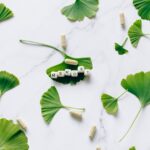
Ginkgo biloba is sometimes marketed for glaucoma and macular degeneration. Some early studies suggested it might improve blood flow to the eyes. However, larger and more recent trials have not confirmed meaningful benefits for vision. As of 2026, there is no clinical evidence that ginkgo biloba can treat or prevent eye disease.
Eye massages and palming are often recommended to “relax” your eyes. Palming, where you cover your closed eyes with your palms, may feel soothing and reduce strain temporarily. But it does not change your visual acuity. It is a comfort technique, not a treatment.
What to Avoid When Trying to Improve Vision Naturally
Some products and practices marketed for natural vision improvement can actually harm your eyes. Be careful with anything that involves direct contact with your eyeball or extreme changes to your routine.
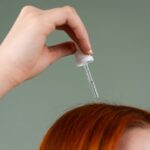
Raw honey or herbal drops placed directly into the eye are dangerous. The eye is not designed to handle anything that is not sterile. Raw honey can contain bacteria that cause serious eye infections, including corneal ulcers that can lead to vision loss. Never put any unsterilized substance into your eye.
Eye exercises that involve pressing on your eyeball are also risky. Some programs claim that “eye pushing” or “eye pressing” can reshape your cornea. This is false. Pressing on your eye can increase intraocular pressure, which is dangerous if you have glaucoma or are at risk for it. It can also cause retinal detachment in rare cases.
Blue light blocking glasses are popular, but the evidence for them is mixed. The American Academy of Ophthalmology states that there is no scientific evidence that blue light from digital screens causes permanent damage to your eyes. Blue light can disrupt your sleep cycle by suppressing melatonin, so wearing blue-blocking glasses in the evening might help you sleep better. But they will not improve your vision or prevent eye disease.
Frequently Asked Questions
Can you reverse vision loss naturally?
No, most vision loss from conditions like cataracts, glaucoma, and macular degeneration cannot be reversed naturally. Some lifestyle changes can slow progression, but medical treatment is usually needed for significant vision loss.
What foods are best for improving eyesight?
Leafy greens like spinach and kale, eggs, fatty fish like salmon, and citrus fruits are the best foods for eye health. They provide lutein, zeaxanthin, vitamin C, and omega-3s that support the retina and lens.
How long does it take for eye exercises to work?
Eye exercises do not correct refractive errors like nearsightedness. They can reduce eye strain within a few days to a week, but they will not change your prescription or eliminate your need for glasses.
Is it safe to take lutein supplements every day?
Yes, lutein supplements are generally safe at doses up to 10 mg per day. Higher doses are used in research, but you should talk to your doctor before starting any new supplement, especially if you take other medications.
