
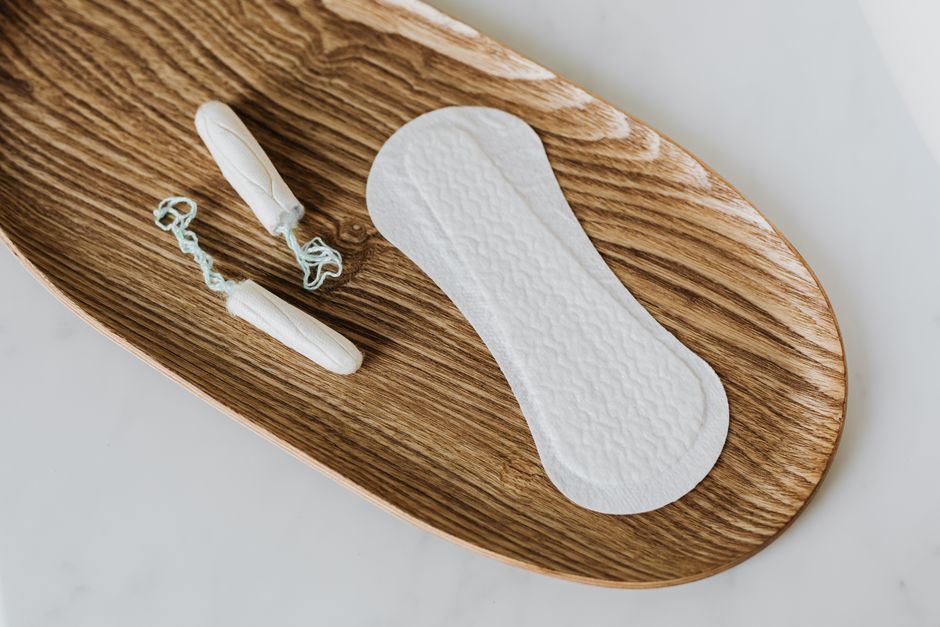
Wearing a tampon to bed is generally safe for most people, but it comes with a strict time limit. Health experts recommend wearing a tampon for no more than eight hours total, which means if you sleep for eight hours or less, it is usually fine. The real concern is not the act of sleeping itself but the risk of leaving any tampon in too long, which increases the chance of Toxic Shock Syndrome (TSS). If you sleep longer than eight hours or have a heavier flow that requires changing sooner, a tampon may not be the best choice for overnight use.
What Is the Real Risk of Toxic Shock Syndrome with Overnight Tampon Use?
Toxic Shock Syndrome is a rare but serious bacterial infection linked to tampon use. Research shows the risk is directly tied to how long a tampon stays in the vagina, not specifically to sleeping. The bacteria that cause TSS, usually Staphylococcus aureus, can produce toxins when they multiply in a warm, moist environment over time.
Studies have found that leaving a tampon in for more than eight hours increases this risk. Current research suggests that the overall incidence of TSS in menstruating people is very low, estimated at about 1 in 100,000. But the consequences can be severe. The key point is that the clock starts ticking the moment you insert a tampon, whether you are awake or asleep. If you know you will sleep for nine or ten hours, a tampon is not the safest option for that timeframe.
Can You Sleep with a Tampon In If You Use the Lowest Absorbency?
Using the lowest absorbency tampon that matches your flow is a smart practice, but it does not eliminate the eight-hour rule. Many people think a lighter tampon is safer for longer wear. That is not quite accurate. The absorbency level affects how much fluid the tampon holds, but the risk of bacterial growth is more about time than absorbency alone.
Some studies suggest that higher absorbency tampons are associated with a greater risk of TSS. However, wearing any tampon past the eight-hour mark increases risk regardless of absorbency level. The safest approach is to set a timer or alarm when you insert a tampon before bed. If your flow is light enough that you can use a “light” or “slender” tampon overnight, you might also consider switching to a pad or period underwear, which carry no TSS risk at all.
What Do Doctors Actually Recommend for Overnight Period Protection?
Medical guidelines from organizations like the FDA and the American College of Obstetricians and Gynecologists do not outright ban overnight tampon use. They emphasize following the package instructions, which typically state eight hours as the maximum wear time. Many doctors personally advise against it simply because people often sleep longer than they plan to.
Here is what most gynecologists tell their patients:
- If you use a tampon overnight, set an alarm to change it first thing in the morning.
- Consider using a pad or period panties for overnight protection, especially if you have a heavy flow.
- A menstrual cup is another option, as it can be worn for up to 12 hours, which covers most people’s sleep schedules.
- Never use a tampon “just in case” your period starts overnight if you are not actively bleeding. Dry tampons can cause micro-tears and increase infection risk.
The medical consensus is clear: overnight tampon use is acceptable if you are disciplined about timing, but alternatives are safer and more forgiving for sleep.





How Does a Menstrual Cup Compare to a Tampon for Sleeping?
Menstrual cups have become a popular alternative for overnight use. Unlike tampons, which absorb fluid, cups collect it. This difference matters for safety. Cups can typically be worn for 10 to 12 hours, which easily covers a full night’s sleep without needing to wake up.
| Feature | Tampon | Menstrual Cup |
|---|---|---|
| Maximum wear time | 8 hours | 10-12 hours |
| Risk of TSS | Low but present | Very low, similar to no risk |
| Leak protection overnight | Good for moderate flow | Good for heavy flow |
| Comfort while sleeping | Usually comfortable | Some people feel it more |
| Need to wake up | Yes, if you sleep over 8 hours | No, most people can sleep through |
Some people find cups uncomfortable to sleep in, especially if they have a low cervix or are new to using them. But for safety and convenience, the cup wins for overnight use. If you are considering switching, give yourself a few cycles to get used to insertion and removal.
What Are the Signs of Toxic Shock Syndrome You Should Know?
Knowing the symptoms of TSS is important for anyone who uses tampons, even if the risk is low. Symptoms can come on quickly and include a sudden high fever above 102°F, low blood pressure, vomiting or diarrhea, and a sunburn-like rash. The rash often appears on the palms of the hands and soles of the feet.
If you experience these symptoms while using a tampon or within a few days of use, remove the tampon immediately and seek medical attention. TSS is treatable with antibiotics and supportive care, but it requires prompt treatment. Do not wait to see if symptoms improve. Most cases of TSS are not linked to tampon use at all, but tampon-associated cases are almost entirely preventable by following wear-time guidelines.
Should You Wear Tampons To Bed If You Have a Heavy Flow?
Heavy flow presents a different challenge for overnight tampon use. If you have a heavy flow, a tampon may need changing every four to six hours, which means it will likely not last through the night without leaking. Wearing a super or super plus absorbency tampon to bed can work for about six to seven hours for some people, but it is a gamble.
Leakage is not dangerous, but it is inconvenient. More importantly, wearing a tampon that is saturated for hours can increase the risk of bacterial growth. If your tampon is fully soaked before you wake up, it has been sitting in blood for an unknown amount of time. A better option for heavy flow overnight is a high-capacity menstrual cup or a combination of a pad with period underwear. Some people also use a disc, which can hold more fluid than a tampon and sits differently in the body.
Common Misconceptions About Sleeping with a Tampon
There is a lot of misinformation about overnight tampon use. One common myth is that you cannot sleep with a tampon at all. That is not true. The FDA and tampon manufacturers do not prohibit overnight use. They simply set a maximum wear time of eight hours. If your sleep schedule fits within that window, it is medically acceptable.
Another myth is that TSS is common. It is not. The condition is rare, and the vast majority of tampon users will never experience it. But rare does not mean impossible. The misconception that “it will never happen to me” leads people to push the limits. As of 2026, the best available evidence still supports the eight-hour rule, and no new research has changed that recommendation.
Some people also believe that using a tampon overnight is more hygienic than using a pad. That is not necessarily true. Pads and period underwear are external products that do not introduce anything into the vaginal canal. They carry no risk of TSS. Hygiene is about changing protection regularly, not about the type of product used.
Frequently Asked Questions
Can I sleep with a tampon in for 10 hours?
No, this exceeds the maximum recommended wear time of eight hours and increases the risk of Toxic Shock Syndrome. You should use a pad, period underwear, or a menstrual cup instead.
What happens if I fall asleep with a tampon in?
If you wake up within eight hours of inserting it, you are likely fine. Remove it as soon as you wake up and do not insert a new one unless you are actively menstruating.
Is it safe to wear a tampon overnight if I have a light flow?
Yes, but only if you use the lowest absorbency needed and do not exceed eight hours of wear. A light flow does not make it safe to leave a tampon in longer.
Can I use a tampon and a pad together at night?
Yes, this is a common strategy for people who worry about leakage. The pad catches any overflow, but you still need to follow the eight-hour rule for the tampon.
