
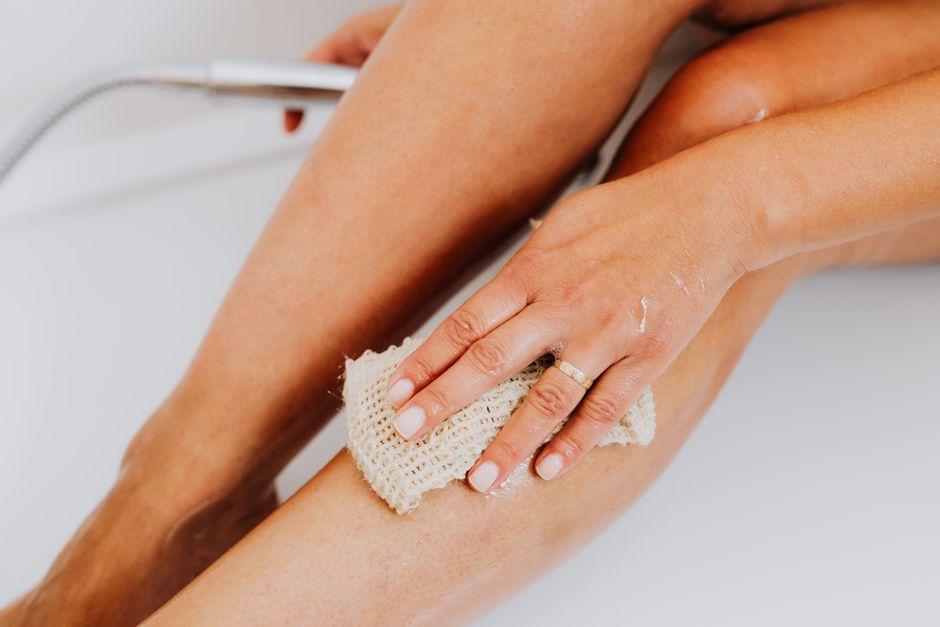
Yes, you should exfoliate before waxing. Exfoliating 24 to 48 hours before your appointment removes the layer of dead skin cells that can trap hairs beneath the surface. This allows the wax to grip the hair at the root rather than breaking it off at the skin, which leads to a smoother result and fewer ingrown hairs. Skipping this step is a common reason why waxing results fall short of expectations.
Why Exfoliation Matters Before Waxing
Your skin constantly sheds dead cells. When those cells build up, they can cover the hair follicle opening. The wax then grabs the hair above the skin instead of pulling it from the follicle. This leaves behind stubble and increases the chance of the hair breaking.
Exfoliation clears that barrier. It exposes the full hair shaft so the wax can adhere properly. When the hair is removed from the root, regrowth is softer and takes longer to appear. This is the mechanical reason exfoliation improves waxing outcomes, and it applies to all body areas.
How to Exfoliate Properly Before Waxing
The method matters as much as the timing. Physical exfoliation with a gentle scrub or a soft brush works well for most people. Chemical exfoliants containing salicylic acid or glycolic acid are also effective, especially for those prone to ingrown hairs.
Do not scrub aggressively. The goal is to remove dead skin, not to irritate the living layers beneath. Use light pressure and circular motions. Focus on areas where hair is coarse or dense, such as the legs, underarms, and bikini line.
Pay attention to sensitive zones. The face and bikini area have thinner skin than the legs. A gentler product and lighter hand are appropriate there. If you use a chemical exfoliant, follow the product instructions and do not combine it with a physical scrub on the same day.
When to Exfoliate Before Your Appointment
Exfoliate 24 to 48 hours before waxing. This window gives your skin time to recover from the exfoliation itself. Waxing on the same day as exfoliation can lead to over-sensitivity, redness, and even minor abrasions.
Exfoliating the day before is the sweet spot for most people. The dead cells are cleared, the skin has settled, and the wax can grip hairs effectively. If you forgot to exfoliate the day before, it is better to skip it than to scrub right before your appointment.
Consistency matters more than a single session. Regular exfoliation between waxing appointments keeps the follicle openings clear. This reduces the likelihood of ingrown hairs developing during the regrowth phase.





What Happens If You Do Not Exfoliate
Without exfoliation, dead skin accumulates. The wax may pull only the top portion of the hair, leaving a rough texture within days. You may also notice more ingrown hairs as regrowth tries to push through a blocked follicle.
Ingrown hairs occur when the hair curls back or grows sideways into the skin. Dead skin cells contribute to this by obstructing the follicle opening. Regular exfoliation is one of the most effective preventive measures, though it does not guarantee you will never get one.
Skipping exfoliation does not make waxing unsafe. It simply makes the result less effective. If you have sensitive skin or a condition like eczema, talk to your esthetician or dermatologist before starting an exfoliation routine.
Exfoliating After Waxing: What You Need to Know
Do not exfoliate immediately after waxing. The skin is vulnerable and irritated. The wax has removed the top layer of dead cells along with the hair, so additional exfoliation would be redundant and potentially harmful.
Wait at least 48 to 72 hours after waxing before you exfoliate again. This allows the skin barrier to recover. When you resume, use a gentler product than you might use on un-waxed skin. The newly exposed skin is more sensitive than usual.
After the initial recovery period, exfoliating two to three times per week can help prevent ingrown hairs as the hair regrows. This is especially important in the weeks following a wax, when the hair is actively pushing through the skin.
Who Should Be Cautious About Exfoliating Before Waxing
People with active acne, sunburn, or open wounds should avoid exfoliating those areas. Exfoliating broken or inflamed skin can worsen the condition and increase infection risk. Wait until the skin has fully healed before resuming exfoliation.
Those using prescription retinoids or acne medications should be especially careful. These products already increase skin sensitivity and thinning. Aggressive exfoliation on top of them can cause chemical burns or severe irritation. Consult your dermatologist about whether exfoliation is safe for your skin type.
If you have a history of cold sores, exfoliating near the lips can trigger an outbreak. The friction can reactivate the virus. This is a lesser-known caution, but it is relevant for anyone prone to cold sores who waxes the upper lip or chin.
Choosing the Right Exfoliant for Your Skin Type
Dry or sensitive skin responds better to chemical exfoliants like lactic acid or a very fine physical scrub. Oily or acne-prone skin often tolerates salicylic acid well. Normal skin can handle most exfoliation methods without issue.
Body scrubs with larger granules are fine for the legs and arms but too harsh for the face and bikini area. For those regions, use a washcloth with a mild cleanser or a dedicated facial exfoliant. Match the product to the area you are treating.
Some research suggests that chemical exfoliants may be more consistent in preventing ingrown hairs than physical scrubs. The evidence is not definitive, but the mechanism is logical. Chemical exfoliants dissolve the bonds between dead skin cells rather than relying on friction to dislodge them.
Common Mistakes to Avoid
- Exfoliating the same day as waxing. This doubles the irritation and can make waxing more painful.
- Scrubbing too hard. Over-exfoliation damages the skin barrier and can cause micro-tears.
- Using a new product right before waxing. Your skin may react to an unfamiliar ingredient. Test new products well in advance.
- Exfoliating sunburned skin. Sunburned skin is already damaged. Exfoliating it delays healing.
- Forgetting to moisturize. Exfoliation removes oils along with dead cells. Moisturizing keeps the skin supple and reduces friction during waxing.
Should You Exfoliate Before Waxing Every Time?
Yes, exfoliation should be part of your regular pre-wax routine. It is not a one-time fix. Consistent exfoliation between appointments keeps the skin clear and the hair follicles accessible.
The evidence for exfoliation before waxing is based on established dermatological principles rather than large clinical trials. The mechanism is well understood: dead skin blocks hair, and removing that block improves hair removal. This is why estheticians universally recommend it.
If you are new to waxing or have not exfoliated before, start with a gentle product and see how your skin responds. Most people notice a visible difference in smoothness and a reduction in ingrown hairs within a few cycles.
Frequently Asked Questions
How many days before waxing should I exfoliate?
Exfoliate 24 to 48 hours before your appointment. This clears dead skin while giving your skin time to recover before the wax is applied.
Can I exfoliate on the same day as waxing?
No, exfoliating the same day as waxing increases irritation and can make the skin more sensitive. It is better to skip it than to scrub right before your appointment.
What is the best way to exfoliate before a bikini wax?
Use a gentle scrub or a soft washcloth with light pressure. The bikini area has thinner skin than the legs, so avoid harsh granules or aggressive scrubbing.
Should I exfoliate after waxing?
Wait at least 48 to 72 hours after waxing before exfoliating. The skin needs time to recover, and the wax has already removed the top layer of dead cells.
