
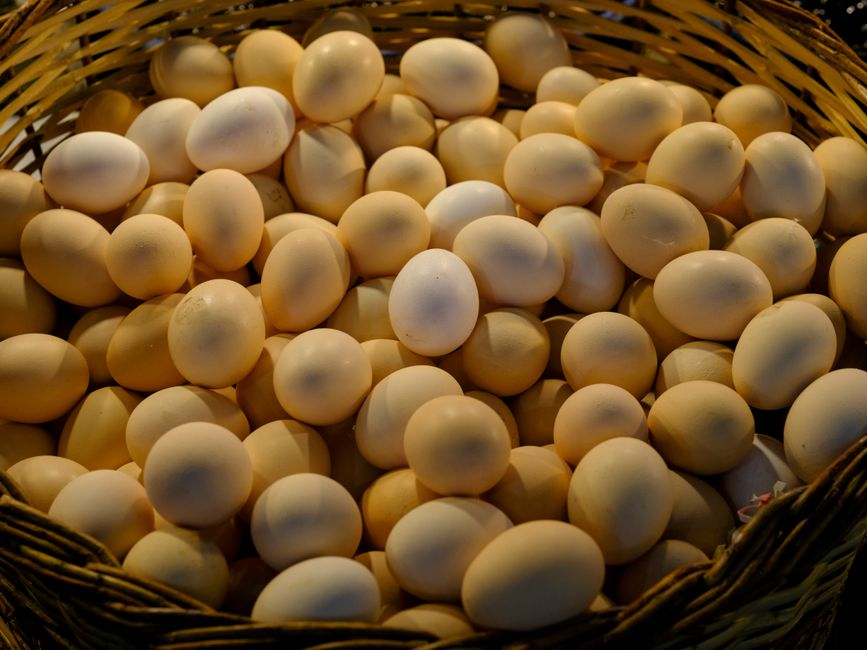
Veganism is defined by avoiding all animal products, and eggs are animal products. So a strict vegan does not eat eggs. That is the short answer. The longer answer is that “vegan” describes a set of choices, and not everyone who avoids meat and dairy follows the same rules. Some people who eat eggs call themselves vegetarian, not vegan. Others follow a plant-based diet for health reasons and may include eggs. The label matters less than knowing what you are actually choosing and why.
What Makes Someone Vegan?
Veganism is not just a diet. It is a position on animal use. People who identify as vegan typically avoid eggs, dairy, meat, honey, gelatin, and other animal-derived ingredients. They often avoid leather, wool, and products tested on animals too.
The diet side of veganism means eating only plant foods. That includes vegetables, fruits, grains, legumes, nuts, and seeds. Eggs come from chickens, so they fall outside that list.
This is different from vegetarianism. Lacto-ovo vegetarians eat dairy and eggs. Pescatarians eat fish. Someone on a plant-based diet may eat mostly plants but still include eggs or dairy now and then.
The words get used loosely in everyday conversation. A person might say “I’m vegan” when they mean “I eat mostly plants.” That can create confusion. If you are trying to understand your own diet or someone else’s, the specific foods matter more than the label.
Should Vegans Eat Eggs for Nutrition?
Eggs are a concentrated source of several nutrients that can be harder to get from plants. That is a real nutritional point. It is also not the same as saying vegans need eggs.
A single large egg provides roughly 6 grams of protein, along with vitamin B12, vitamin D, choline, selenium, and iodine. It also contains cholesterol and saturated fat. These are well-established nutrient values from standard food composition data.
Several of these nutrients deserve attention on a plant-only diet:
- Vitamin B12 occurs naturally almost only in animal foods. Vegans need a reliable source, usually fortified foods or a supplement.
- Vitamin D is found in fatty fish, egg yolks, and fortified foods. Sun exposure also matters.
- Choline is concentrated in eggs and liver. Plant sources exist but tend to be lower.
- Iodine is found in dairy, seafood, and iodized salt.
- Iron and zinc are present in plants, but the body absorbs them less efficiently from plant sources.
Well-planned vegan diets can meet nutrient needs, but they require attention to these specific nutrients. Eggs are one way to cover some of them. They are not the only way. Fortified foods, legumes, nuts, seeds, and supplements can do the same job.
Whether to include eggs is a personal decision. The nutrition question and the ethical question are separate. A person can get complete nutrition without eggs, and a person can eat eggs for reasons that have nothing to do with ethics.
What Does the Evidence Say About Eggs and Health?
Eggs have been studied for decades, and the research on heart health is mixed. Eggs raise LDL cholesterol in some people more than others. This response varies widely between individuals.
Most healthy adults can eat eggs without a clear increase in heart disease risk, according to broader dietary research. But this depends on the rest of the diet, total saturated fat intake, and individual factors like existing heart disease or diabetes.
People with diabetes or existing cardiovascular disease may need to be more careful. Some research suggests higher egg intake is linked to greater risk in these groups, though results vary across studies. The evidence here is not settled.
One point often gets lost. How eggs are prepared and what they are eaten with may matter as much as the eggs themselves. Eggs fried in butter and served with processed meat are a different nutritional package than a boiled egg with vegetables.
For most people, the question is not “are eggs good or bad” but “how do eggs fit into the overall pattern of what I eat.” That framing matches what nutrition research generally supports.





Can You Be Vegan and Eat Eggs?
By the standard definition, no. Veganism excludes all animal products, and eggs are animal products. A person who eats eggs is not following a vegan diet, even if they avoid meat and dairy.
That said, people use labels in flexible ways. Some call themselves “veggan” or “vegan except eggs.” These are informal terms, not established categories. They describe a real eating pattern, but they are not standard definitions.
If you are choosing a diet for ethical reasons, the egg question usually comes down to how you view animal use. If you are choosing for health reasons, the question is about nutrition and personal tolerance. If you are choosing for environmental reasons, eggs have a different footprint than meat but still come from animal agriculture.
There is no single right answer here. There is only clarity about what you are actually doing and why.
How Do You Get Egg Nutrients Without Eggs?
Every nutrient in eggs can be obtained from other sources. This is well established. It may take planning, but it is not difficult once you know what to look for.
| Nutrient | Egg Source | Plant or Other Source |
|---|---|---|
| Protein | About 6 g per large egg | Legumes, tofu, tempeh, seitan, nuts, seeds |
| Vitamin B12 | Present naturally | Fortified foods, supplements |
| Vitamin D | In the yolk | Fortified plant milks, sun exposure, supplements |
| Choline | Concentrated in yolk | Soybeans, cruciferous vegetables, peanuts |
| Iodine | Varies with chicken feed | Iodized salt, seaweed (with caution) |
| Iron | Present | Legumes, spinach, fortified cereals |
| Selenium | Present | Brazil nuts, whole grains, legumes |
Two cautions are worth stating. Seaweed is a source of iodine, but iodine content varies enormously and can be too high. Vitamin B12 from plant foods is not reliable unless the food is fortified. These are established points, not minor details.
A registered dietitian can help build a plan that covers these nutrients. That is especially useful during pregnancy, breastfeeding, infancy, and childhood, when nutrient needs are higher and the margin for error is smaller. No clinical guidelines recommend a specific egg-free nutrient protocol for these groups beyond general fortified food and supplement guidance.
What About Ethics and Environment?
For many vegans, the egg question is not about nutrition at all. It is about animal welfare. Commercial egg production involves the use of female chickens for their eggs and the culling of male chicks, since males do not lay eggs and are not raised for meat in the same system. These are documented industry practices.
Some people accept backyard eggs from hens they keep as pets. Others do not, on the grounds that using an animal’s body for food is the issue regardless of conditions. This is a values question, not a scientific one, and reasonable people disagree.
On environment, eggs generally have a lower carbon footprint than beef or lamb but a higher one than most plant proteins. The exact numbers depend on production method, feed, and location. This is a case where broad comparisons are more reliable than specific figures.
None of this tells you what to do. It tells you what the tradeoffs actually are, which is what a decision needs.
The Bottom Line
A vegan diet excludes eggs by definition. Someone who eats eggs is not vegan, even if they avoid other animal products. That is a matter of definition, not opinion.
Nutritionally, eggs are a convenient source of protein, B12, choline, and other nutrients. They are not required. A well-planned plant-based diet can meet the same needs with fortified foods and supplements, though it takes attention.
Whether to eat eggs is a personal choice that depends on your reasons for your diet. If those reasons are ethical, the answer is usually clear. If they are nutritional, the answer is more flexible than the label suggests.
Frequently Asked Questions
Can you call yourself vegan if you eat eggs?
No. Veganism excludes all animal products, and eggs are animal products, so eating eggs means you are not following a vegan diet. You might more accurately describe yourself as vegetarian or plant-based.
Are eggs necessary for good nutrition?
No. Eggs are a convenient source of protein, vitamin B12, choline, and other nutrients, but every one of these can be obtained from plant foods, fortified products, or supplements. A well-planned vegan diet can meet nutrient needs without eggs.
Do vegans need to worry about B12?
Yes. Vitamin B12 occurs naturally almost only in animal foods, so vegans need a reliable source such as fortified foods or a supplement. This is a well-established nutritional requirement, not a minor concern.
Is it healthier to eat eggs or not?
The evidence is mixed. Most healthy adults can eat eggs without a clear increase in heart disease risk, but the effect depends on the rest of your diet and individual factors like diabetes or existing heart disease.
