
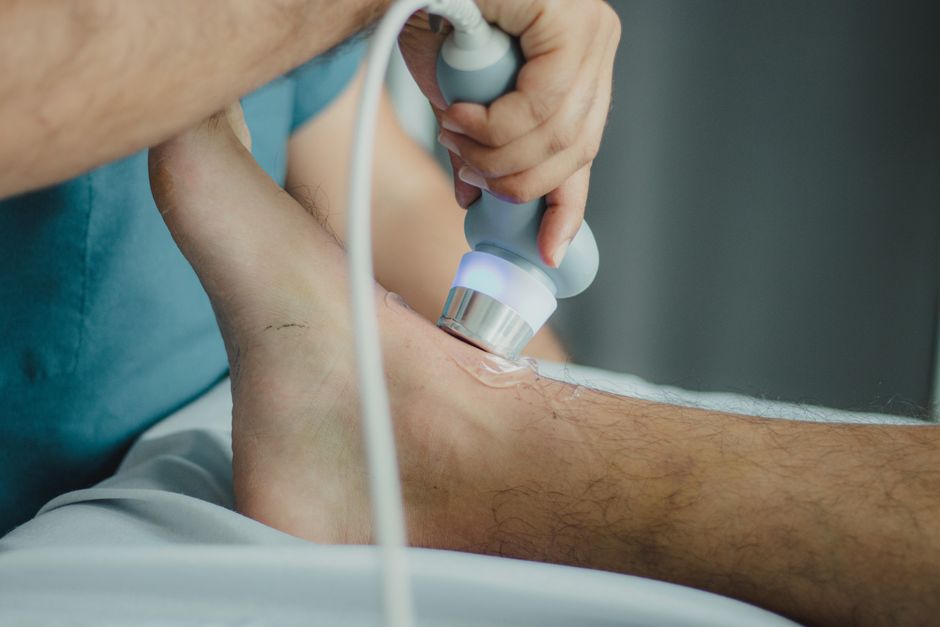
Whether you should pee before an ultrasound depends entirely on which part of your body is being scanned. For a pelvic or abdominal ultrasound, you often need a full bladder, which means you should not pee right before the exam. For most other ultrasounds, an empty bladder is fine or even preferred. The instructions come from the imaging center for a reason, and following them changes what the technician can see.
Why Does a Full Bladder Matter for Some Ultrasounds?
Sound waves travel through fluid differently than they travel through air or dense tissue. A full bladder gives the sonographer a clear window to look through.
The bladder sits in front of the uterus and ovaries in women. When it is full, it pushes those organs up and into a better viewing position. It also displaces loops of bowel that would otherwise block the view. The fluid-filled bladder acts like a flashlight in a dark room, letting sound waves reach structures behind it.
This matters most for a pelvic ultrasound, whether it is done to check the uterus, ovaries, or early pregnancy. Without a full bladder, the technician may not get clear images, and you may be asked to drink water and wait for a repeat scan.
For a first-trimester pregnancy ultrasound, the bladder requirement is common but not universal. Some clinics use a transvaginal approach instead, which actually works better with an empty bladder. The specific instructions you receive override any general rule.
Should I Pee Before an Abdominal Ultrasound?
No, you should generally not pee right before an abdominal ultrasound, but the reason is different from a pelvic scan.
Abdominal ultrasounds look at organs like the liver, gallbladder, pancreas, and kidneys. The main preparation here is usually fasting, not bladder filling. Food and drink can cause the gallbladder to contract and fill with gas, which clouds the images.
Some abdominal ultrasound protocols do ask for a full bladder because the kidneys and bladder are part of the same study. If your order includes the bladder or kidneys, you may be told to drink water and hold it. If it is only the liver or gallbladder, you may be told the opposite, to empty your bladder so it does not press on other structures.
This is why the same test name can come with opposite instructions. The preparation depends on exactly what the doctor wants to see.
Which Ultrasounds Need an Empty Bladder?
Many ultrasounds work best when your bladder is empty. Holding urine in these cases can actually make the exam harder or more uncomfortable.
- Transvaginal ultrasound: An empty bladder is preferred. A full bladder pushes the uterus away from the probe and blurs the view.
- Pelvic ultrasound in men: Often done with a full bladder to view the prostate, but protocols vary by clinic.
- Kidney and bladder ultrasound: May require a full bladder so the bladder wall can be seen clearly.
- Thyroid, breast, and testicular ultrasound: No bladder preparation needed. You can pee normally.
- Musculoskeletal and vascular ultrasound: No bladder preparation. Empty is fine.
- Echocardiogram and other cardiac scans: No bladder preparation.
Notice the pattern. The bladder only matters when the scan is looking at the pelvis or urinary tract. For everything else, it is irrelevant.





How Much Water Should You Drink Before a Pelvic Ultrasound?
Most imaging centers ask you to drink a set amount of water and then wait, without urinating, until the scan. The usual instruction is to finish the water about an hour before your appointment, but the exact amount and timing come from your clinic.
Follow the number your center gives you. Drinking far more than instructed does not improve the images and can make the wait genuinely painful. Drinking too little may mean the bladder is not full enough, and you may be asked to drink more and wait longer.
Water is the standard choice. Carbonated drinks and milk can add gas to the bowel, which interferes with the scan. Some clinics allow coffee or juice, but water is the safest default unless told otherwise.
If you have kidney problems, heart failure, or any condition where fluid intake is restricted, tell the imaging center before your appointment. They can adjust the instructions or choose a different approach. Do not force fluids against medical advice.
What If You Cannot Hold It or Already Went?
Be honest with the sonographer. This happens often, and there is a workaround.
If your bladder is not full enough, you may be asked to drink more water and wait. If it is too full and uncomfortable, you may be allowed to empty part of it. Some clinics measure bladder volume with a quick scan before deciding.
If you already urinated and the exam needs a full bladder, the appointment may be delayed while you drink and wait. In some cases, the technician can switch to a transvaginal approach, which does not need a full bladder. This depends on the equipment, the reason for the scan, and the clinic’s policy.
Never skip telling staff that you went to the bathroom. A scan done with the wrong bladder status can miss findings or produce images that have to be repeated.
Does It Matter If You Pee Right Before Other Ultrasounds?
For most non-pelvic ultrasounds, urinating right before the exam makes no difference at all. The bladder is not part of the study, so its contents do not affect the images.
The one exception is when the bladder itself is being evaluated. If your doctor ordered a scan specifically to look at bladder wall thickness, bladder stones, or how well you empty your bladder, the timing of your last urination matters. You may be asked to come with a full bladder, or you may be asked to empty completely right before the scan so a post-void residual can be measured.
A post-void residual is a measurement of how much urine is left in the bladder after you go. For that test, you urinate first, then the technician scans you immediately. This is the opposite of the full-bladder protocol, and it is used to check for urinary retention.
What Happens If You Ignore the Instructions?
Ignoring the prep usually means a longer appointment, not a dangerous one. The most common outcome is a scan that cannot answer the question it was ordered to answer.
If the bladder is not full for a pelvic scan, the uterus and ovaries may be hard to see. If the bladder is too full for a transvaginal scan, the images may be distorted. In either case, you may be asked to reschedule, which costs you another trip and delays your results.
There is no radiation risk from ultrasound, and holding urine for a short time is not harmful for most healthy people. The real cost is a wasted appointment and a delay in getting answers.
If you are unsure about your instructions, call the imaging center before your appointment. A two-minute phone call can save you a repeat visit.
Frequently Asked Questions
Should I pee before an ultrasound?
It depends on the type of ultrasound. Pelvic and some abdominal scans often require a full bladder, so you should not pee beforehand, while most other ultrasounds need no bladder preparation.
Do I need a full bladder for a pelvic ultrasound?
Usually yes, because a full bladder pushes the uterus and ovaries into a clearer viewing position. Your imaging center will give you specific instructions on how much water to drink and when to stop urinating.
Can I pee right before an abdominal ultrasound?
Often yes, unless the scan includes your bladder or kidneys. Abdominal ultrasounds mainly require fasting, not bladder filling, so an empty bladder is usually fine.
What if I already peed before my ultrasound?
Tell the sonographer right away. You may be asked to drink water and wait, or the technician may switch to a different approach such as a transvaginal scan.
