
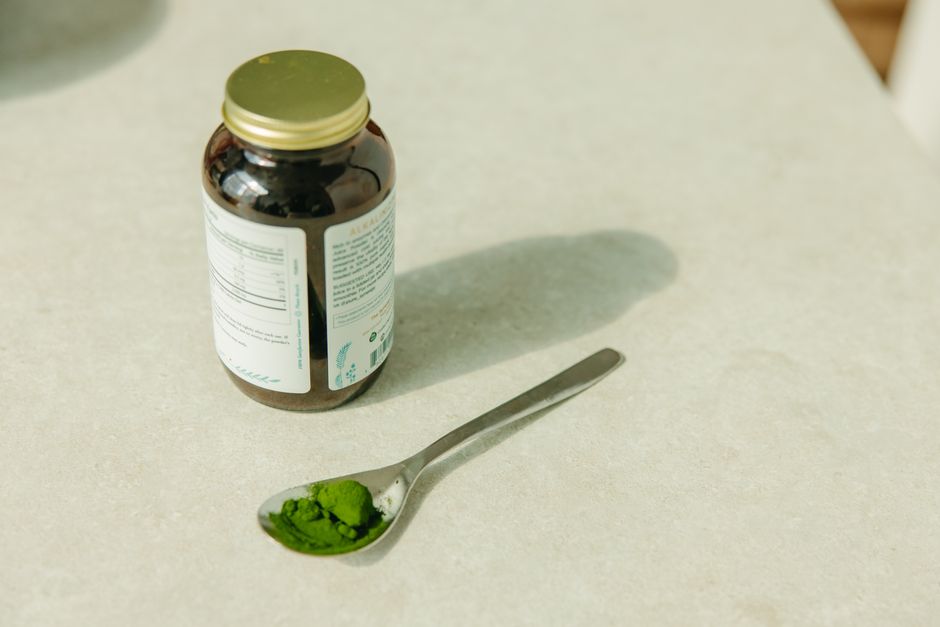
Zuma Nutrition is a legitimate company in the sense that it exists, sells real products, and operates as a registered business. Whether its supplements are worth your money is a separate question. The company sells herbal tinctures and mushroom and detox products with bold health claims, and many of those claims go further than the evidence supports.
That distinction matters. “Legit” can mean the business is real, or it can mean the products do what the marketing says. Zuma passes the first test. On the second, the picture is mixed, and some of the language on its website raises fair questions.
What Is Zuma Nutrition?
Zuma Nutrition is a supplement brand that sells liquid herbal tinctures, mushroom extracts, and products marketed around detox, liver health, and immune support. It sells mainly through its own website and through online retailers.
The product line leans heavily on traditional herbal ingredients — things like milk thistle, dandelion, and various mushroom species. Many of these have a long history of use in herbal medicine. That history is real. What’s often missing is strong modern clinical trial evidence that a specific product at a specific dose produces the health outcome advertised.
This is not unique to Zuma. It’s how most of the herbal supplement industry operates. The FDA regulates dietary supplements differently from drugs. Under federal law, supplement companies do not have to prove a product is effective before selling it. They are responsible for the safety of their products and for the accuracy of their labeling, but the pre-market burden of proof is far lighter than it is for prescription drugs.
Is Zuma Nutrition Legit Red Flags And Green Flags?
The clearest green flag is that Zuma is a real, operating business with identifiable products and a public-facing presence. The clearest red flags are the strength of its health claims and the familiar gaps that come with the herbal supplement category as a whole.
Here is how the signals break down.
Green flags
- The company appears to be a genuine registered business, not a phantom storefront.
- Products list ingredients and, in many cases, amounts, which is more than some competitors do.
- The ingredients themselves are mostly familiar botanicals with established traditional use.
- The products are sold as dietary supplements, which places them under FDA labeling rules and facility requirements.
Red flags
- Marketing language that implies detoxification or disease-related benefits goes beyond what clinical evidence supports.
- “Detox” is a marketing term, not a medical one. The body clears waste through the liver and kidneys on its own. No supplement has been shown in controlled trials to “flush toxins” in the way these products suggest.
- Bold claims about liver, immune, or overall health are common in this category but rarely backed by large human trials of the specific product.
- As with most supplement brands, independent third-party testing results are not always easy for a shopper to verify.
None of these red flags means the products are dangerous or fake. They mean the marketing runs ahead of the evidence, which is the norm across much of the supplement aisle.
Are the Health Claims Backed by Evidence?
Some of the individual ingredients have modest research behind them. The products as sold usually do not. That gap is the core issue.
Take milk thistle, a common liver-support ingredient. Some studies suggest it may have effects on liver enzymes, but results across trials have been inconsistent, and it is not an established treatment for liver disease. Dandelion and similar herbs have traditional use and limited modern trial data.
Mushroom extracts are another example. Certain compounds in mushrooms have been studied for immune effects, but the evidence is early and often based on lab or small studies — not large human trials of a finished commercial product.
Here is the non-obvious part. Even when a single ingredient shows promise in research, that research rarely uses the exact product, dose, and formulation a company sells. A study on a mushroom compound is not a study on a specific tincture in a bottle. The jump from “this ingredient has some evidence” to “this product works” is where a lot of supplement marketing quietly stretches the truth.




What Does “Detox” Actually Mean?
In medicine, detox refers to a supervised process for clearing a substance like alcohol or a drug from the body, often with medical support. In supplement marketing, the word means something much vaguer.
Your body already has a detox system. The liver processes and breaks down waste, and the kidneys filter it out. This happens continuously without any product. There is no clinical evidence that a tincture or tea makes this system work meaningfully better in a healthy person.
Some herbs can affect liver enzymes. That is not automatically a good thing. The liver’s enzyme systems are how the body handles many medications, and altering them can change how drugs are processed. This is why anyone taking prescription medication should talk to a pharmacist or doctor before adding a supplement — not because supplements are always risky, but because interactions are real and often overlooked.
How Should You Judge a Supplement Brand Honestly?
You do not need to be a scientist to sort through supplement claims. A few practical checks do most of the work.
- Look for third-party testing. Independent labs like NSF or USP verify what’s in a bottle. A brand that publishes these results is showing its work.
- Be wary of disease claims. A supplement legally cannot claim to treat, cure, or prevent a disease. Language that circles close to this is a warning sign.
- Check the dose against the research. If a study used a certain amount of an ingredient, does the product actually contain that amount? Often it does not.
- Notice the word “support.” It is vague on purpose. “Supports liver health” is a marketing phrase that commits to almost nothing testable.
- Ask what problem you are solving. If you eat reasonably well and have no diagnosed deficiency, the case for most supplements is weak.
A useful rule: the louder the promise, the more you should expect to find thin evidence underneath it. Real clinical findings tend to be modest and specific, not sweeping.
Who Should Be Cautious With Herbal Supplements?
Some groups should be more careful than others. This is not about Zuma specifically. It applies to herbal products across the board.
Pregnant and breastfeeding women should treat herbal supplements with real caution. Many herbs have not been studied for safety in pregnancy, and no clinical guidelines establish safe doses for most of them. The honest position is that for many herbs, the safety data in pregnancy simply does not exist.
People taking prescription medications face interaction risks. Herbs can affect how drugs are broken down, and some can amplify or reduce a medication’s effect. Blood thinners are a well-known example of a category where herb interactions matter.
People with liver or kidney disease should not assume a “liver support” or “detox” product is helpful. In some cases, concentrated herbal products add stress to organs that are already struggling. Anyone in this group should check with their doctor first.
Children are another group where evidence is thin. Most herbal products have no established pediatric dosing, and none should be given to a child without medical guidance.
What Is the Bottom Line on Zuma Nutrition?
Zuma Nutrition is a real company selling real products. It is not a scam in the sense of taking your money and shipping nothing. The fair criticism is that its marketing leans on health claims — especially around detox and organ support — that clinical evidence does not firmly back.
That does not make the products harmful for most healthy adults. It means you should treat the claims with the same skepticism you would apply to any supplement brand making big promises. The ingredients are mostly familiar botanicals. The evidence for the finished products is thin.
If you are considering a supplement, the most useful step is a conversation with your doctor or pharmacist, especially if you take medication or have a health condition. They can tell you whether a product fits your situation. No website can do that for you.
Frequently Asked Questions
Is Zuma Nutrition a scam?
No. Zuma Nutrition appears to be a legitimate operating business that sells real products. The concern is not fraud but marketing claims that go beyond what clinical evidence supports.
Are Zuma Nutrition detox products proven to work?
No clinical evidence confirms that detox supplements remove toxins or improve organ function in healthy people. The body clears waste through the liver and kidneys on its own.
Are herbal tinctures like Zuma’s safe?
Most are generally tolerated by healthy adults, but safety varies by ingredient and interactions with medications are possible. Pregnant women, children, and people with liver or kidney disease should check with a doctor first.
Should I take a supplement for liver health?
For most people with a healthy liver, there is no established need for a liver supplement. If you have a diagnosed liver condition, treatment should come from your doctor, not an over-the-counter product.
