
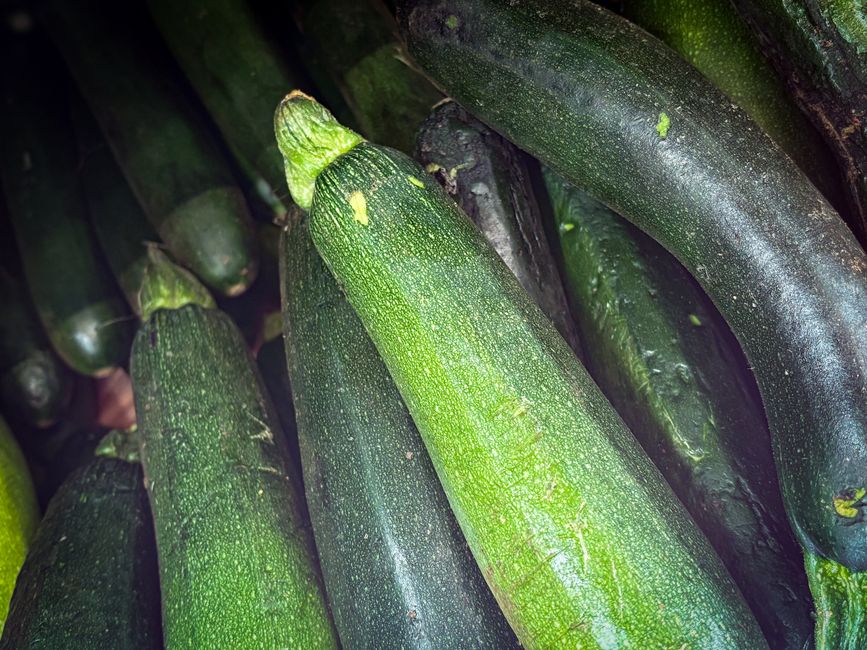
If you have ever wondered whether the zucchini sitting in your kitchen is a fruit or a vegetable, you are not alone. The short answer is that zucchini is botanically a fruit, but it is treated as a vegetable in cooking and grocery stores. Botanically, a fruit develops from the flower of a plant and contains seeds, which zucchini does. But in everyday life, we call it a vegetable because of how it tastes and how we use it in meals. This is not a trick question — it is a case where science and kitchen habits simply disagree.
What Is the Botanical Definition of a Fruit?
Botany has a clear rule. A fruit is the part of a plant that develops from the flower and contains seeds. This is not about taste. It is about plant anatomy. By this definition, zucchini is a fruit. So are cucumbers, tomatoes, peppers, and eggplants. All of them grow from flowers and hold seeds inside.
The confusion happens because we do not eat zucchini for dessert. We put it in stir-fries, pasta sauces, and salads. In the kitchen, we treat sweet things like apples and strawberries as fruits and savory things like zucchini and spinach as vegetables. That is the culinary definition, and it is based on flavor and use, not biology.
The United States Supreme Court even weighed in on this debate in 1893. In Nix v. Hedden, the court ruled that tomatoes should be taxed as vegetables because that is how people commonly used them. The court acknowledged that botanically, tomatoes are fruits. The same logic applies to zucchini. Legally and culinarily, it is a vegetable. Botanically, it is a fruit.
How Do Chefs and Grocery Stores Classify Zucchini?
Walk into any grocery store, and you will find zucchini in the produce section next to cucumbers, bell peppers, and broccoli. It sits with the vegetables. Cookbooks and recipes call it a vegetable. Restaurants serve it roasted, grilled, or spiralized into noodles. Nobody serves it in a fruit salad.
This is the culinary classification. It is not wrong — it is just a different system. The culinary world groups foods by how they taste and how they are used in a meal. Sweet or tart things are fruits. Savory, earthy, or mild things are vegetables. Zucchini is mild, slightly grassy, and works best with salt, oil, and heat. That makes it a vegetable in the kitchen.
Grocery stores follow this same logic. They stock zucchini near the leafy greens and root vegetables because that is where shoppers expect to find it. If zucchini were shelved next to the oranges and grapes, customers would be confused. The store classification is practical, not scientific.
Where Does Zucchini Fit in the Squash Family?
Zucchini is a type of summer squash. Its scientific name is Cucurbita pepo. This same species includes pumpkins, acorn squash, and some gourds. All of these plants produce fruits that develop from flowers and contain seeds. That makes them all botanical fruits.
Summer squashes like zucchini are harvested while the skin is still tender and the seeds are small. Winter squashes like butternut or spaghetti squash are left on the vine longer until the skin hardens. But both are fruits botanically. The difference is only in when they are picked and how they are stored.
There is a common myth that zucchini is a fruit only when it has seeds and a vegetable when it does not. That is not accurate. Even seedless zucchini varieties are still botanically fruits because they develop from the flower of the plant. The presence or absence of seeds does not change the botanical classification.





Is Zucchini a Fruit or Vegetable for Nutrition Labeling?
Nutritionally, zucchini behaves like a vegetable. It is low in calories, high in water content, and contains fiber, vitamin C, potassium, and small amounts of B vitamins. One cup of raw zucchini has about 20 calories and provides about 20% of your daily vitamin C needs. It is not a significant source of sugar compared to fruits like bananas or grapes.
The USDA classifies zucchini as a vegetable in its dietary guidelines. The “MyPlate” tool groups it under vegetables. This is for practical reasons. People who need to eat more vegetables will reach for zucchini. If it were classified as a fruit, it might be grouped with higher-sugar options, which could be misleading for people managing blood sugar or weight.
Some people report that eating large amounts of zucchini causes bloating or gas. This is not a side effect of the fruit-or-vegetable question. It is because zucchini contains fiber and certain carbohydrates that can ferment in the gut. This is normal and not a sign of intolerance for most people. Cooking zucchini usually reduces this effect.
What Does the Research on Zucchini Classification Show?
Research published in the Journal of Food Science and Technology notes that zucchini is botanically a fruit but is consumed as a vegetable in most cuisines worldwide. The paper does not argue that one classification is correct. It simply describes how the same food can fit into two different systems depending on context.
The confusion is not unique to zucchini. A study in Nutrition Today looked at how people classify foods and found that most people rely on culinary use rather than botany. When shown a picture of a tomato, 95% of participants called it a vegetable. Only 5% called it a fruit. The same pattern holds for zucchini, cucumbers, and peppers. People classify by taste and habit, not by plant anatomy.
There is no health benefit to calling zucchini a fruit instead of a vegetable. Eating it either way gives you the same nutrients. The only practical difference is how you plan your meals. If you are counting vegetable servings for a dietary goal, count zucchini as a vegetable. If you are curious about botany, call it a fruit. Neither choice changes what is on your plate.
Common Misconceptions About Zucchini Classification
One common misconception is that zucchini becomes a fruit once it grows large enough to have mature seeds. This is not true. A zucchini is a fruit from the moment it starts growing. The seeds are present from the beginning, even if they are tiny and soft. Harvesting early does not change its botanical identity.
Another myth is that zucchini is a fruit only if it is eaten raw. Cooking does not change classification. A cooked apple is still a fruit. A cooked zucchini is still a botanical fruit. Heat does not alter plant anatomy.
Some people believe that zucchini is a fruit in some countries and a vegetable in others. This is also false. The botanical definition is universal. The culinary classification varies by culture, but the underlying biology is the same everywhere. In Italy, zucchini is called zucchina and used in savory dishes. In Mexico, it is called calabacita and used in soups and stews. In both places, it is still a botanical fruit and a culinary vegetable.
| Classification System | Is Zucchini a Fruit? | Is Zucchini a Vegetable? |
|---|---|---|
| Botany | Yes | No |
| Culinary | No | Yes |
| Grocery Store | No | Yes |
| USDA Nutrition | No | Yes |
| Legal (U.S. Supreme Court precedent) | No | Yes |
What to Avoid When Discussing Zucchini Classification
Avoid telling people that calling zucchini a vegetable is wrong. That creates unnecessary confusion. Most people use the culinary definition in everyday life, and that is fine. The goal is understanding, not being technically correct at the expense of clarity.
Avoid comparing zucchini to fruits like strawberries or bananas in a way that suggests they are nutritionally similar. They are not. Zucchini has very little sugar and is not a source of quick energy. Treating it like a fruit for dietary purposes could lead to poor meal planning.
Avoid claiming that seedless zucchini is a vegetable. Even seedless varieties develop from the flower and are botanically fruits. The absence of mature seeds does not change the classification. This is the same reason a seedless watermelon is still a fruit.
Finally, avoid using the fruit-versus-vegetable debate to sell products or diets. There is no special health property that zucchini gains by being called a fruit. It is a healthy food regardless of what label you use. The debate is interesting, but it does not change the nutritional value.
Frequently Asked Questions
Is zucchini a fruit or a vegetable in botany?
In botany, zucchini is a fruit because it develops from the flower of the plant and contains seeds. This is the scientific definition that applies to all summer squashes.
Why is zucchini called a vegetable in stores?
Grocery stores and recipes classify zucchini as a vegetable based on its savory flavor and how it is used in cooking. This is the culinary classification, not the botanical one.
Can you eat zucchini raw like a fruit?
Yes, you can eat zucchini raw. It is safe and commonly used in salads or as a snack. Cooking is not required, but it changes the texture and flavor.
Does the fruit or vegetable classification affect nutrition?
No, the classification does not change the nutrients. Zucchini is low in calories and high in water and vitamin C regardless of whether you call it a fruit or a vegetable.
