
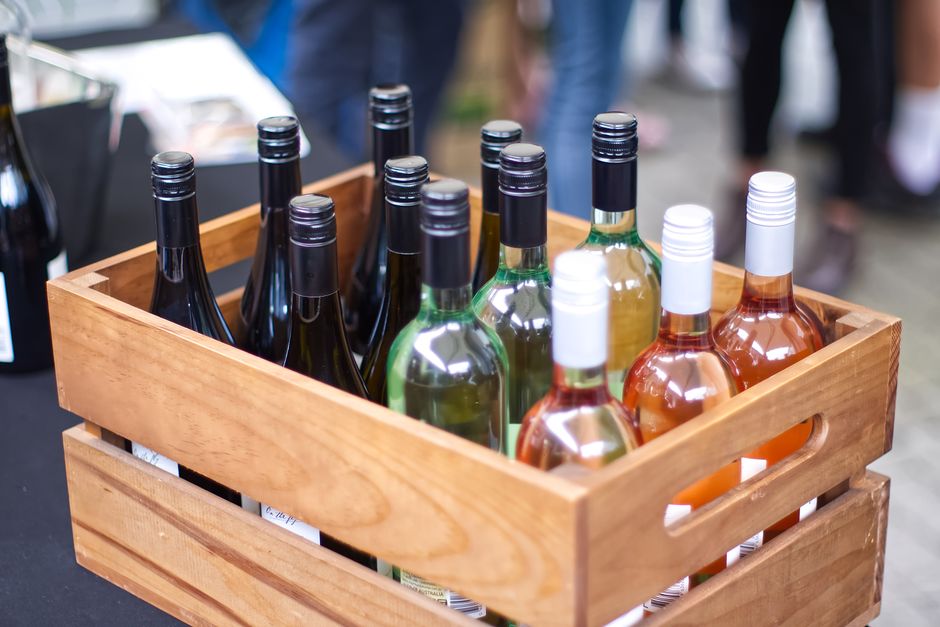
Yes, wine is an alcoholic drink. It is made by fermenting grape juice, and that fermentation produces ethanol — the same alcohol found in beer, spirits, and cider. Most wine sold in the United States falls somewhere between roughly 5% and 15% alcohol by volume (ABV), depending on the style.
The confusion usually isn’t about whether wine contains alcohol. It’s about how much, whether certain wines count as “low alcohol,” and how a standard glass compares to a shot of liquor. Those are fair questions, and the answers matter for anyone tracking their intake or making decisions about driving, pregnancy, or medication.
What Makes Wine an Alcoholic Beverage?
Alcohol in wine is a product of yeast fermentation. When yeast comes into contact with the sugars in grape juice, it converts those sugars into ethanol and carbon dioxide. That process is what separates wine from grape juice — nothing is added to create the alcohol. It is generated biologically.
This matters because some people assume wine is a “lighter” or “natural” alternative to distilled spirits. Wine does contain alcohol, and in many table wines the concentration is high enough to produce the same physiological effects as beer or a cocktail.
The ethanol molecule is identical across all alcoholic drinks. What differs is the concentration and the volume you drink. A 5-ounce glass of 12% wine contains about the same amount of pure alcohol as a 12-ounce beer at 5% or a 1.5-ounce shot of 80-proof liquor. That equivalence is a standard reference point used in alcohol research and public health guidance.
How Much Alcohol Is in Wine?
Alcohol content in wine varies more than most people expect. The range runs from around 5% ABV for some German-style rieslings and low-alcohol styles up to about 15% or slightly higher for some zinfandels, Australian shiraz, and fortified wines like port or sherry, which can reach 20% ABV or more.
Several factors push that number up or down:
- Grape ripeness. Sweeter, riper grapes contain more sugar for yeast to convert, which generally means more alcohol.
- Climate. Grapes grown in warmer regions tend to ripen with higher sugar levels, often producing higher-alcohol wines.
- Fermentation control. Winemakers can stop fermentation early to leave residual sugar and lower alcohol, or add yeast to push fermentation further.
- Fortification. Spirits are added to some wines (port, sherry, madeira), which raises alcohol content significantly.
In the US, wine labels are not required to state alcohol content unless the wine exceeds 14% ABV, in which case the exact percentage must appear. Wines at or below 14% may show a range instead, such as “12% to 14%.” That labeling rule is one reason people are sometimes surprised by how strong a particular bottle actually is.
Is a Glass of Wine the Same as a Shot of Liquor?
In terms of pure alcohol, a standard serving of each is roughly equivalent. A 5-ounce pour of 12% wine, a 12-ounce beer at 5%, and a 1.5-ounce shot of 80-proof liquor each contain approximately 0.6 fluid ounces of pure ethanol. This is the “standard drink” definition used by US health agencies.
But the experience of drinking them is not identical. Wine is consumed more slowly, often with food, and the alcohol is diluted in a larger volume of liquid. That affects how quickly alcohol reaches the bloodstream. A shot of liquor hits faster because it is concentrated and typically drunk in one swallow. Wine’s larger volume and lower concentration tend to slow absorption somewhat.
What often trips people up is the pour size. A restaurant glass of wine can easily be 6, 8, or even 9 ounces. At 13% ABV, an 8-ounce pour delivers more alcohol than a standard shot of liquor. The “one glass of wine” you order at dinner may be closer to 1.5 standard drinks.





Does Wine Count as Alcohol for Health and Safety Purposes?
Yes — wine counts as alcohol in every medical, legal, and safety context. There is no threshold below which alcoholic drinks stop being alcohol. That applies to blood alcohol concentration, medication interactions, pregnancy, liver health, and driving laws.
This is where a common misconception causes real harm. Some people believe that because wine is “just fermented grapes,” it doesn’t carry the same risks as spirits. The alcohol molecule doesn’t care what beverage delivered it. The liver processes ethanol the same way regardless of source.
For driving, the legal blood alcohol limit in all 50 US states is 0.08%. How many glasses of wine it takes to reach that level depends on body weight, sex, food intake, time, and individual metabolism. There is no reliable formula that works for everyone. The only safe approach if you are driving is not to drink.
For pregnancy, major health organizations — including the Centers for Disease Control and Prevention and the American College of Obstetricians and Gynecologists — advise that no amount of alcohol is known to be safe during pregnancy. That includes wine. No clinical guidelines establish a safe lower limit for alcohol during pregnancy.
For medication interactions, wine is not exempt. Alcohol interacts with a wide range of drugs, including some pain relievers, sedatives, antidepressants, and diabetes medications. If you take prescription medication, ask your pharmacist whether alcohol is a concern — this is a conversation worth having directly rather than guessing.
Is Red Wine “Healthier” Than Other Alcohol?
The short answer: the evidence does not support drinking wine for health reasons. This is one of the most persistent health myths, and it deserves a clear response.
The idea gained traction from observational studies that seemed to show light wine drinkers had better heart outcomes than non-drinkers. But observational studies cannot prove cause and effect. People who drink moderate amounts of wine tend to differ from non-drinkers in many other ways — income, diet, education, healthcare access, and overall health status. Researchers call this confounding, and it is very hard to fully remove.
More recent and more rigorous analyses have challenged the “moderate drinking is good for you” conclusion. Some large studies that corrected for these confounding factors found that the apparent heart benefit largely disappeared. The evidence is genuinely mixed and actively debated among researchers.
What is not debated: alcohol is classified as a Group 1 carcinogen by the International Agency for Research on Cancer, in the same category as tobacco and asbestos. That classification reflects strong evidence linking alcohol consumption to several cancers, including cancers of the mouth, throat, esophagus, liver, and breast. This applies to all alcoholic drinks, including wine.
Resveratrol, the compound in red grape skins often cited as the reason red wine is “healthy,” has been studied for potential cardiovascular benefits. But the amounts used in most research far exceed what you would get from drinking wine, and no clinical trial has shown that drinking red wine produces health benefits through resveratrol. No study has confirmed that wine is a health-promoting beverage.
What About “Alcohol-Free” and Low-Alcohol Wines?
Wines labeled “alcohol-free” or “non-alcoholic” are not always at zero. In the US, a beverage can be labeled “non-alcoholic” if it contains less than 0.5% ABV. “Alcohol-free” products are typically required to contain no detectable alcohol, but enforcement and labeling rules vary.
For most adults, 0.5% ABV is negligible — about the same as ripe fruit juice or a very ripe banana. But for certain groups, even that trace amount may matter. People in recovery from alcohol use disorder, pregnant women, and some people with specific medical conditions may want to avoid these products or check with a clinician.
Low-alcohol wines (typically 5% to 9% ABV) are made by harvesting grapes earlier, stopping fermentation, or using techniques to remove alcohol after fermentation. They are still alcoholic beverages and count as such in any health or safety context.
The Bottom Line
Wine is alcohol. It contains ethanol produced by fermentation, typically at 5% to 15% ABV for standard table wines. A standard 5-ounce glass contains roughly the same amount of pure alcohol as a 12-ounce beer or a 1.5-ounce shot of liquor.
The health halo around wine is not supported by strong evidence. If you drink wine, do so with accurate information about what it contains and how it affects the body — not because of claims that it offers unique health protection. The evidence for those claims is weak, mixed, and increasingly contested.
Frequently Asked Questions
Is wine an alcohol or a fermented drink?
Wine is both — it is an alcoholic beverage produced by fermentation. The yeast fermentation of grape sugar creates ethanol, which is the alcohol in wine.
How much alcohol is in a glass of wine?
A standard 5-ounce glass of 12% wine contains about 0.6 fluid ounces of pure alcohol. Actual amounts vary with pour size and the wine’s ABV, which can range from about 5% to 15% for table wines.
Is it safe to drink wine while pregnant?
No. Major health organizations including the CDC and ACOG advise that no amount of alcohol is known to be safe during pregnancy. No clinical guidelines establish a safe lower limit.
Does non-alcoholic wine contain alcohol?
It can. In the US, a beverage labeled “non-alcoholic” may contain up to 0.5% ABV. People in recovery or with medical concerns should check with a clinician.
