
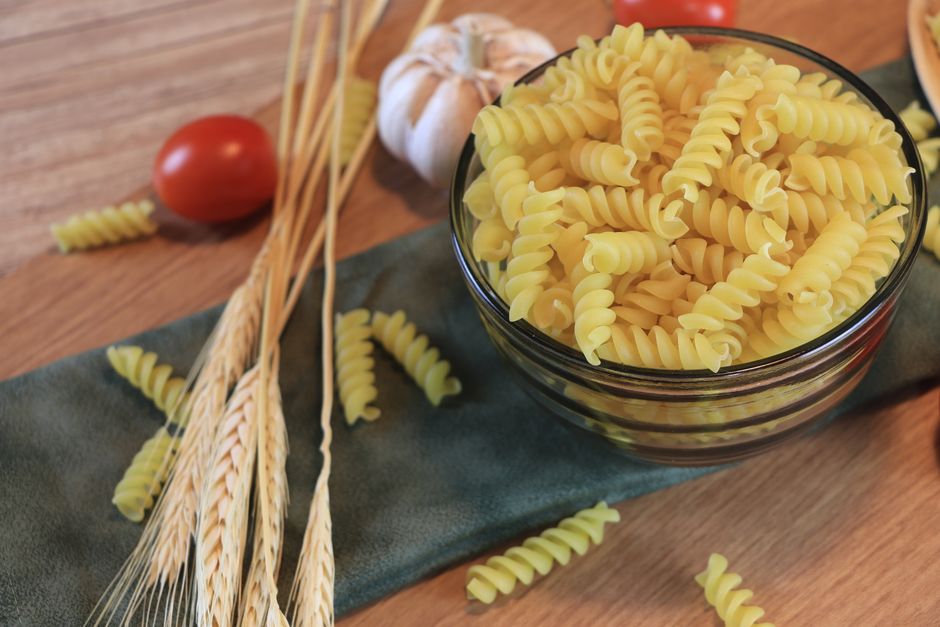
Wheat pasta is generally a healthy choice, but it depends entirely on which kind you buy and how much you eat. Whole wheat pasta offers real nutritional advantages over regular white pasta, including more fiber, protein, and minerals. But many products labeled “wheat pasta” are just white pasta with a different name. The difference between a good choice and a mediocre one comes down to reading the ingredient list and understanding what you are actually getting.
What Is the Difference Between Whole Wheat Pasta and Regular Pasta?
The main difference is the type of wheat flour used. Regular pasta is made from refined flour. The bran and germ have been removed, leaving mostly the starchy endosperm. Whole wheat pasta uses the entire grain. That means it keeps the fiber-rich bran and the nutrient-dense germ.
This matters for your health. Research shows that whole grains reduce the risk of heart disease, type 2 diabetes, and some cancers. Refined grains do not offer the same protection. A 2020 review in the BMJ found that swapping refined grains for whole grains lowered the risk of coronary heart disease by roughly 20 percent.
Whole wheat pasta also has a lower glycemic index than regular pasta. That means it raises blood sugar more slowly. For anyone watching their blood sugar or trying to avoid energy crashes, this is a meaningful difference.
Is Wheat Pasta Good For You Compared to Other Pasta Options?
This is where things get interesting. Whole wheat pasta is better than white pasta. But it is not necessarily the best pasta choice for everyone.
Here is how the common options stack up nutritionally per 2-ounce serving (dry):
| Pasta Type | Calories | Fiber | Protein | Key Notes |
|---|---|---|---|---|
| Regular white pasta | 200 | 2-3g | 7g | Refined, low fiber, fortified with B vitamins |
| Whole wheat pasta | 200 | 5-7g | 8g | Higher fiber, more minerals, chewier texture |
| Legume-based pasta (chickpea, lentil) | 180-200 | 5-8g | 12-15g | Higher protein, lower carb, different taste |
| Brown rice pasta | 200 | 3-4g | 4-5g | Gluten-free, lower protein, neutral taste |
Whole wheat pasta wins on fiber compared to white pasta. But it falls short on protein compared to legume pastes. If your main goal is satiety and blood sugar control, legume pastes may work better. If you want something that tastes closer to regular pasta while still getting more fiber, whole wheat is your pick.
Does Eating Wheat Pasta Help With Weight Loss?
No food alone causes weight loss. But whole wheat pasta can help in a way that white pasta cannot. The extra fiber in whole wheat pasta makes you feel fuller for longer. Studies have found that people who eat more whole grains tend to have lower body weight and less belly fat over time.
A 2017 study in the American Journal of Clinical Nutrition followed adults for 18 years. Those who ate the most whole grains gained less weight than those who ate the least. The difference was modest but consistent.
Here is the practical takeaway. A bowl of whole wheat pasta with vegetables and lean protein is a satisfying meal. It keeps you full for hours. The same amount of white pasta often leaves you hungry sooner. That difference matters for total calorie intake across the day.
But portion control still matters. Pasta is calorie-dense. A reasonable serving is about 2 ounces dry, which cooks to roughly 1 cup. Many restaurant portions are three to four times that amount. Even whole wheat pasta in large amounts can work against weight goals.





What Are the Downsides of Whole Wheat Pasta?
Whole wheat pasta is not perfect for everyone. There are real downsides to consider.
The texture is different. Whole wheat pasta is chewier and denser than white pasta. Some people find it gritty or heavy. If you try it once and dislike it, you might write off all whole grains. That would be a shame. Cooking it one to two minutes longer than the package directions can soften the texture.
The taste is also stronger. It has a nutty, earthy flavor that does not pair well with every sauce. Delicate cream sauces tend to clash with whole wheat flavor. Hearty tomato sauces, garlic and oil, or pesto work much better.
Digestion can be an issue for some people. The high fiber content can cause bloating, gas, or discomfort if you are not used to it. This is temporary for most people. Gradually increasing your fiber intake over a week or two helps your gut adjust. Drinking plenty of water also helps.
As of 2026, current research suggests that most Americans still eat far less fiber than recommended. The daily target is 25 to 38 grams. Most people get about half that. Whole wheat pasta can help close that gap, but it takes a slow start for some digestive systems.
How Do You Choose a Good Wheat Pasta at the Store?
This is where marketing gets tricky. Many pasta boxes say “wheat pasta” or “made with whole grains.” These phrases do not mean the product is actually whole wheat.
The only reliable way to know is to read the ingredient list. The first ingredient should say “whole wheat flour” or “100% whole wheat flour.” If it says “enriched wheat flour” or “durum wheat semolina,” that is refined white flour, not whole grain.
Some brands mix whole wheat and refined flour. These products have slightly more fiber than white pasta but not as much as 100% whole wheat. They can be a good stepping stone if you are transitioning. Just know what you are getting.
Look for at least 4 grams of fiber per serving. The best options have 5 to 7 grams. Anything under 3 grams is essentially white pasta regardless of the label.
Cooking time varies by brand. Whole wheat pasta typically takes 8 to 12 minutes. Undercooking it makes it tough. Overcooking makes it mushy. Start testing at the lower end of the suggested time.
Frequently Asked Questions
Is whole wheat pasta healthier than regular pasta?
Yes. Whole wheat pasta has more fiber, protein, and minerals than regular white pasta. It also has a lower glycemic index, which helps with blood sugar control.
Can you eat wheat pasta on a low carb diet?
Not easily. A standard serving of whole wheat pasta has about 40 grams of carbohydrates. That fits some low carb plans but is too high for strict keto or very low carb diets.
Does whole wheat pasta taste different than white pasta?
Yes. Whole wheat pasta has a nuttier, earthier flavor and a chewier texture. Many people prefer it with hearty sauces like marinara or pesto rather than cream-based sauces.
Is whole wheat pasta good for diabetes?
It is a better choice than white pasta. The higher fiber content slows digestion and reduces blood sugar spikes. Portion control is still important for blood sugar management.
