
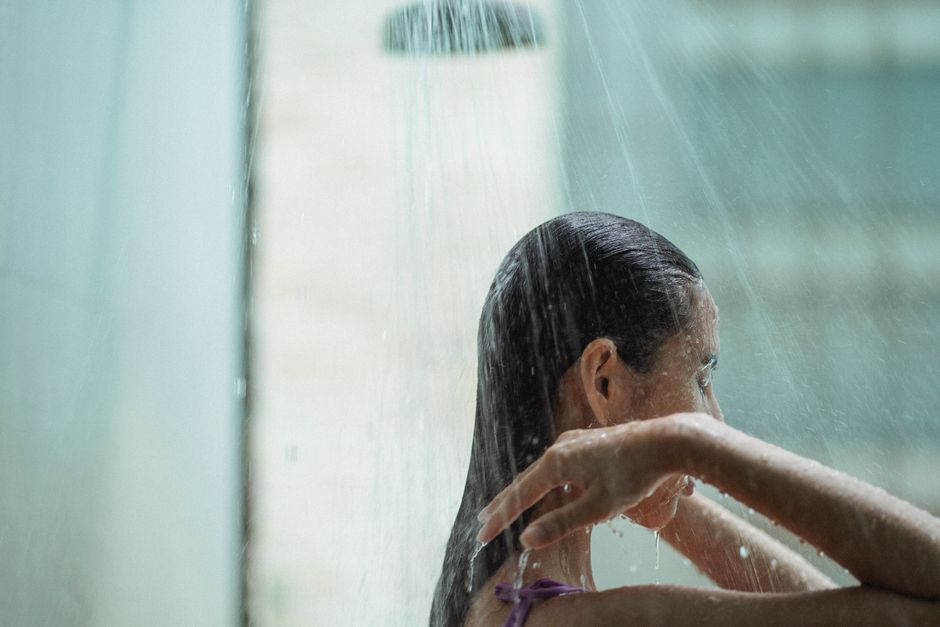
Well water can be good for your hair, bad for your hair, or have no noticeable effect at all. The answer depends entirely on what is dissolved in your specific water supply. Two homes on the same road can have completely different well water chemistry, and that chemistry — not the fact that it comes from a well — is what touches your hair every time you wash it.
Well water is not inherently better or worse than municipal water. It is simply untreated water from an underground aquifer, and its mineral content varies enormously by region, depth, and local geology. Some well water is soft and nearly mineral-free. Some is loaded with calcium, iron, or sulfur. Your hair responds to those minerals, not to the well itself.
What Is Actually in Well Water That Affects Hair?
Well water picks up minerals as it moves through rock and soil. The minerals most likely to affect hair are calcium, magnesium, iron, manganese, and sometimes sulfur. Calcium and magnesium are what make water “hard.” Iron and manganese are common in well water and are the usual culprits behind discoloration complaints.
Unlike municipal water, well water is not treated or tested on a schedule. The EPA does not regulate private wells, and there is no requirement for a homeowner to test well water at any interval. That means the mineral profile of your water is unknown until you actually test it.
Hard water — water high in dissolved calcium and magnesium — does not damage hair in a structural sense. What it does is leave mineral deposits on the hair shaft. These deposits can make hair feel rougher, look duller, and become harder to manage. The minerals sit on the outside of the strand, they do not eat into the cortex.
Iron is a different story. Iron in well water can leave a reddish or orange tint on light-colored hair over time, particularly blonde, gray, or white hair. This is a staining effect, not structural damage, but it can be persistent and difficult to remove with regular shampoo.
Does Hard Well Water Damage Your Hair?
Hard water does not damage hair the way heat, bleach, or chemical relaxers do. It coats it. That distinction matters because the fix is different. You are not repairing damage, you are removing buildup.
The visible effects of hard water on hair are well documented in cosmetic science. Hair washed repeatedly in hard water tends to feel stiffer and look less shiny. Some studies suggest hard water makes hair more prone to tangling because the mineral coating increases friction between strands. The evidence for this is reasonably consistent, though the size of the effect varies from person to person.
There is one area where hard water may cause real problems: color-treated hair. Some research indicates that copper and other metals in water can accelerate color fading and, in some cases, contribute to damage during bleaching or dyeing. If you color your hair, especially to lighter shades, water mineral content is worth paying attention to.
People with curly or textured hair often notice hard water effects more. Curly hair tends to be drier by nature because natural oils do not travel down the shaft as easily. Mineral buildup on top of that can make curls feel crunchier and less defined.
Can Well Water Cause Hair Loss?
No established evidence shows that well water causes hair loss. This is a common worry and it does not hold up. Hair loss has many documented causes — genetics, hormonal changes, thyroid conditions, iron deficiency, certain medications, and stress — and water mineral content is not among them.
What can happen is that hard water makes hair feel rougher and look thinner because strands clump together. That is a cosmetic effect, not a change in how much hair you have or how fast it grows. Hair growth happens at the follicle below the scalp surface, where water never reaches.
If you are genuinely losing hair, the cause is almost certainly something other than your water. A doctor can check for common contributors like thyroid function and iron status. Blaming well water can delay finding the real reason.




What About Soft Water — Is It Better for Hair?
Soft water generally leaves hair feeling smoother and looking shinier than hard water. That is because it contains fewer dissolved minerals to deposit on the shaft. For most people, soft water is easier on hair than hard water.
But soft water has its own quirk. Because it contains little calcium and magnesium, it can leave hair feeling slippery or like it never quite rinses clean. Some people with fine hair find soft water makes their hair limp. This is a texture preference, not a health issue.
Water softeners work by exchanging calcium and magnesium ions for sodium ions. That is why softened water can taste slightly salty and why some people on sodium-restricted diets are advised to consider the sodium content. For hair, the trade-off is usually favorable: less mineral buildup in exchange for a different feel.
How Do You Tell If Your Well Water Is Affecting Your Hair?
Testing your water is the only reliable way to know what you are working with. A basic water test through a certified lab will report hardness, iron, manganese, pH, and other parameters. Some county health departments offer low-cost or free testing for private wells.
Signs that your well water may be affecting your hair include:
- Hair feels rough or straw-like right after washing, even with conditioner
- Shampoo does not lather well
- Light-colored hair develops a reddish, orange, or brassy tint
- White or gray hair turns yellowish
- Hair looks dull even when clean
- Soap scum builds up on shower surfaces and fixtures
That last point is a useful clue. If your shower head and tiles are coated in a chalky film, your water is likely hard, and your hair is getting the same treatment.
What Can You Do About It?
The most direct fix is a shower filter designed for the specific problem in your water. Not all filters handle all issues. Carbon filters address chlorine and some odors but do little for hardness. Filters rated for iron and manganese target those specific minerals. A whole-house water softener addresses hardness throughout the home.
If you cannot change your water, you can manage the buildup on your hair. Clarifying shampoos, used periodically, remove mineral deposits more effectively than regular shampoo. Chelating shampoos are formulated specifically to bind and remove metals like iron and copper. These are widely available and are a standard recommendation from hair professionals for hard water buildup.
Some people find that a final rinse with distilled or filtered water helps, though this is a hassle for daily use. Others rotate in a chelating treatment every few weeks. There is no single right approach, and results vary.
One practical note: if your water tests high for iron or manganese, the staining on light hair may be difficult to reverse with shampoo alone. In that case, addressing the water source itself is usually more effective than treating the hair after the fact.
Is Well Water Better Than City Water for Hair?
Neither is better across the board. City water is treated and tested to meet safety standards, but it often contains added chlorine and can still be hard depending on the source. Well water is untreated and untested unless you test it yourself, but it can be naturally soft and mineral-free.
The variable that matters for hair is mineral content, not the source. Soft city water and soft well water are both gentle on hair. Hard city water and hard well water both leave buildup. The label on the pipe does not determine the outcome.
What well water has going for it is that it contains no added chlorine or chloramine, both of which can strip natural oils and fade color. What it has against it is unpredictability. You do not know what is in it until you check.
For anyone with a private well, an annual water test is a reasonable habit for both hair and household safety. The same test that tells you about hardness and iron also screens for bacteria and nitrates, which matter far more than how your hair feels.
Does Well Water Affect Hair Growth or Scalp Health?
Well water does not affect how fast your hair grows. Growth rate is determined by genetics, hormones, nutrition, and overall health, not by what you wash with. The follicle sits below the skin, and water does not penetrate to that depth in any meaningful way.
Scalp health is a slightly different question. Hard water can leave residue on the scalp, and some people with sensitive skin notice itching or flaking that seems worse with hard water. This is not well studied, and the evidence is limited. If you notice scalp irritation, it is worth mentioning to a dermatologist rather than assuming the water is the cause.
Iron and manganese in water can feed certain bacteria, and some people report scalp odor with high-iron water. Again, this is anecdotal rather than established. The more reliable concern with high iron is staining, not scalp biology.
Frequently Asked Questions
Is well water bad for your hair?
Well water is not inherently bad for hair — it depends on the mineral content. Hard well water with high calcium, magnesium, or iron can leave buildup and staining, while soft well water generally leaves hair feeling clean and smooth.
Can well water make your hair fall out?
No established evidence links well water to hair loss. Hair loss has documented causes like genetics, hormones, thyroid issues, and iron deficiency, and water minerals do not reach the follicle where growth happens.
How do I know if my well water is affecting my hair?
Signs include rough-feeling hair after washing, poor shampoo lather, dullness, and a reddish or brassy tint on light-colored hair. A certified water test is the only way to confirm what is actually in your water.
Does a shower filter help with well water and hair?
A shower filter helps only if it targets the specific mineral causing the problem. Carbon filters handle odors and chlorine, while filters rated for iron or manganese address those minerals specifically.
