
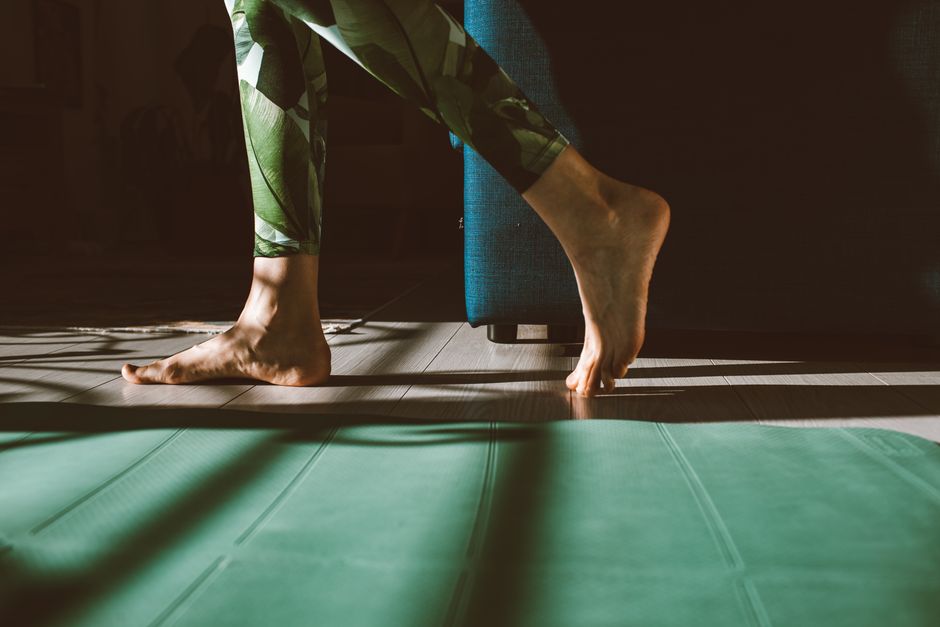
Walking barefoot on grass, sand, or dirt feels good. Many people claim it reduces inflammation, improves sleep, and even changes your blood chemistry. The real answer is more grounded. Walking barefoot has genuine benefits for foot strength and balance. But most of the big claims about grounding or earthing—the idea that direct contact with the earth heals disease—are not backed by strong evidence. Your feet are designed to move on varied surfaces. Shoes have changed how your feet work. Going barefoot more often can help undo some of that, but it is not a medical treatment.
What Is Earthing or Grounding?
Earthing, also called grounding, is the practice of making direct skin contact with the earth’s surface. The theory is that the earth carries a negative electrical charge. Proponents claim that modern shoes with rubber or plastic soles insulate you from this charge. They say reconnecting allows free electrons to enter your body and act as antioxidants.
This idea has been promoted in books and online for about two decades. Some small studies have looked at whether grounding affects pain, inflammation, or sleep. A 2012 review in the Journal of Environmental and Public Health suggested possible benefits. But these studies were tiny, often with fewer than 30 participants. Many lacked proper control groups. As of 2026, no large, well-designed clinical trial has confirmed that earthing cures or treats any medical condition. The CDC does not recognize grounding as a treatment. The National Center for Complementary and Integrative Health has not endorsed it either.
Walking barefoot on the ground does connect you to the earth’s surface. But whether that connection has measurable health effects beyond what you get from being outdoors and moving your body is still an open question. Most researchers in mainstream medicine remain skeptical.
What Are the Proven Benefits of Walking Barefoot?
Research published in the journal Footwear Science has found that wearing shoes long-term weakens the small muscles in your feet. Your feet contain 26 bones and 33 joints. When you wear supportive shoes, those joints move less. Over time, your arch can drop and your toes can become less flexible. Walking barefoot forces your foot muscles to work harder. A 2021 study in the Journal of Foot and Ankle Research found that people who walked barefoot regularly had stronger foot muscles and better arch support than those who always wore shoes.
Balance is another area where barefoot walking helps. Your feet have thousands of nerve endings that sense the ground beneath you. Shoes dull that sensory input. Walking barefoot on uneven surfaces like grass or sand improves proprioception—your brain’s ability to know where your body is in space. The American Council on Exercise notes that barefoot training can improve balance and stability in older adults.
Some people also report that walking barefoot reduces chronic foot pain, especially from plantar fasciitis. This makes sense mechanically. Supportive shoes can shorten your Achilles tendon and calf muscles over time. Walking barefoot lengthens them gently. A 2017 study in the Scandinavian Journal of Medicine and Science in Sports found that runners who switched to minimalist or barefoot-style running had fewer running-related injuries after a gradual transition period.
Is Walking Barefoot Good For You Indoors?
Walking barefoot inside your home is different from walking outside. Indoor floors are flat and hard. They do not provide the varied texture that strengthens feet. Walking on hardwood or tile all day can actually increase stress on your heels and knees. Your foot needs to pronate—roll inward slightly—to absorb shock. Hard flat surfaces limit that natural motion.
If you spend most of your day barefoot indoors, consider adding a textured surface. A yoga mat, a rug with a rough weave, or a balance pad can give your feet more varied input. Some people use minimalist shoes indoors to protect against cold floors while still allowing foot movement. There is no strong evidence that bare feet on indoor surfaces provide any grounding benefit beyond what you get from being barefoot outside.





What Are the Risks of Walking Barefoot?
Walking barefoot outside carries real risks. Sharp objects like glass, nails, and rocks can cut your feet. A small cut can become infected, especially in people with diabetes or poor circulation. The American Podiatric Medical Association recommends that people with diabetes never walk barefoot outside because of the risk of unnoticed injuries leading to serious infections.
Parasites are another concern. Hookworm larvae live in soil in warm, humid climates. They can burrow through the skin of your feet. This is rare in the United States but more common in tropical regions and areas with poor sanitation. Plantar warts, caused by the human papillomavirus, can also enter through small breaks in the skin when you walk barefoot in public areas like locker rooms or pool decks.
If you are used to wearing supportive shoes, switching to barefoot walking too quickly can cause injury. Your calf muscles and Achilles tendon need time to adapt. A 2018 study in the British Journal of Sports Medicine found that runners who transitioned too rapidly to minimalist shoes had higher rates of calf strains and metatarsal stress fractures. Start slow. Walk barefoot for 10 to 15 minutes a day and increase gradually over several weeks.
How Does Walking Barefoot Compare to Minimalist Shoes?
| Feature | Walking Barefoot | Minimalist Shoes |
|---|---|---|
| Ground sensation | Full sensory input | Reduced but still high |
| Protection from sharp objects | None | Thin sole protects |
| Temperature protection | None | Some insulation |
| Public hygiene risk | Higher | Lower |
| Foot muscle activation | Maximum | Near maximum |
| Transition time needed | Longer | Shorter |
Minimalist shoes like Vibram FiveFingers or Xero Shoes offer a middle ground. They protect your feet from cuts and cold while allowing your foot to move naturally. A 2020 review in the Journal of Foot and Ankle Research found that minimalist shoes produce similar foot muscle activation to barefoot walking. For most people, minimalist shoes are a safer way to gain the benefits of walking barefoot without the injury risks.
What Does the Research Say About Walking Barefoot and Inflammation?
The most common claim around earthing is that it reduces inflammation. Proponents point to small studies showing changes in blood markers like C-reactive protein and white blood cell counts after grounding. One 2013 study in the Journal of Alternative and Complementary Medicine measured these markers in 10 participants after they grounded for 40 minutes. The researchers reported a reduction in inflammation markers.
These findings are interesting but not conclusive. The studies are small, short-term, and often funded by earthing product companies. No large independent trial has replicated these results. The American Heart Association does not recognize grounding as a method to reduce inflammation. The Arthritis Foundation does not recommend it for joint pain. If you have chronic inflammation, walking barefoot is unlikely to replace proven treatments like medication, diet changes, or exercise. Some people report feeling better after grounding. That could be due to the placebo effect, the relaxation of being outdoors, or the mild exercise of walking itself.
Common Misconceptions About Walking Barefoot
Misconception: Walking barefoot cures disease. No clinical evidence shows that walking barefoot treats diabetes, heart disease, cancer, or autoimmune conditions. Be skeptical of any source that claims otherwise.
Misconception: You need to walk barefoot for hours to get benefits. Foot strength and balance improve with short, consistent exposure. Ten to 15 minutes a day on varied surfaces is enough to start seeing changes in foot muscle activation.
Misconception: Walking barefoot is always bad for your feet. This is not true for most people. Your feet are designed to move on natural surfaces. The problem is modern hard flat floors and the risk of injury from sharp objects. On safe surfaces like grass or sand, barefoot walking is generally fine for healthy adults.
Misconception: Earthing requires special equipment. You do not need grounding mats, sheets, or patches. Standing barefoot on grass or dirt connects you to the earth. The expensive products marketed for grounding have not been proven more effective than direct contact with the ground.
Frequently Asked Questions
Is walking barefoot good for your feet?
Yes, for most people. It strengthens the small muscles in your feet and improves balance. Start slowly to avoid injury.
Can walking barefoot help with plantar fasciitis?
Some people find relief because barefoot walking lengthens the calf muscles and Achilles tendon. Evidence is mostly anecdotal rather than from large studies.
Is it safe to walk barefoot in public places?
It carries risks including cuts, infections, and plantar warts. Avoid walking barefoot in locker rooms, pool decks, and areas with visible debris.
Does walking barefoot reduce inflammation?
Small studies suggest possible effects, but strong evidence is lacking. The benefits you feel may come from being outdoors and moving your body.
