
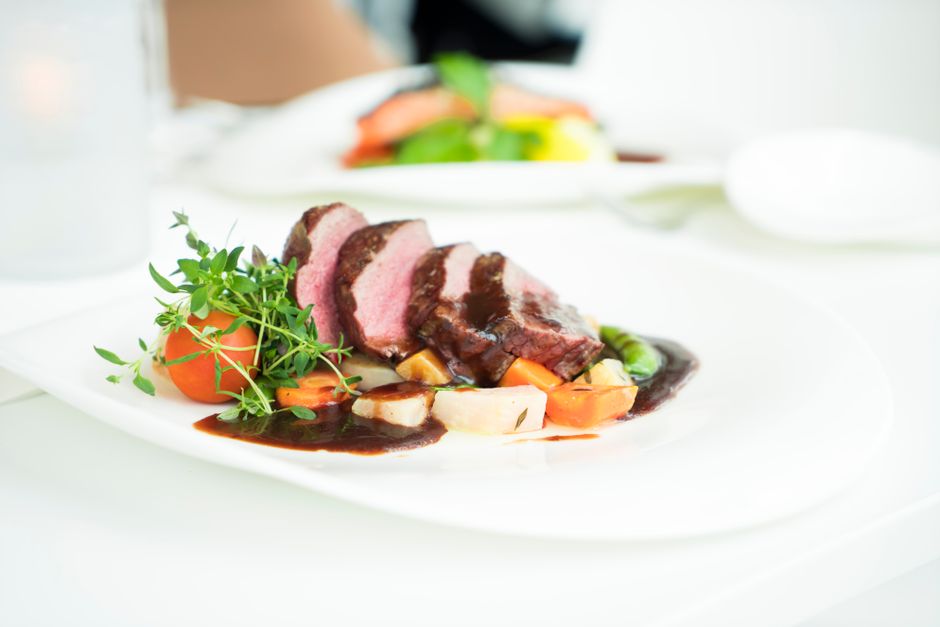
Venison is a red meat, and like all red meats it contains purines — the compounds your body breaks down into uric acid. For someone managing gout, that matters. Venison is not a low-purine food. It sits in the same general range as beef, lamb, and pork, which means it belongs in the “eat sparingly” category for people with gout, not the “eat freely” category.
That answer surprises some people. Venison has a reputation as a lean, natural, “healthy” meat. Lean and low-purine are two different things, and confusing them can lead to a gout flare.
What Are Purines and Why Do They Matter in Gout?
Purines are nitrogen-containing compounds found in the DNA and RNA of every cell in every living thing. Your body makes them internally and also gets them from food. When purines break down, the end product in humans is uric acid.
Most uric acid dissolves in blood, travels to the kidneys, and leaves the body in urine. In gout, that process goes wrong. Either the body produces too much uric acid, or the kidneys clear too little of it. When blood uric acid rises above a certain level, it can form sharp crystals of monosodium urate in and around joints. Those crystals trigger the swelling, redness, heat, and intense pain of a gout attack.
Diet is not the whole story. Genetics, kidney function, body weight, and certain medications all play major roles. But diet is one of the few levers a person can actually pull, and purine intake is the part of diet most directly tied to uric acid levels.
Is Venison High In Purines?
Yes. Venison is a moderately high to high purine food, in the same broad category as other red meats.
Purine content in meat comes largely from the muscle tissue itself, and it varies somewhat by species and by cut. Organ meats — liver, kidney, sweetbreads — are the highest of all, often far above muscle meat. Game meats such as venison, elk, and bison generally fall near or slightly above the range for conventional beef and pork, though exact values vary between sources and cuts.
There is no widely accepted single cutoff that separates “safe” from “unsafe” purine levels for gout. What most clinical guidance does instead is group foods into categories: high-purine foods to avoid or limit, moderate-purine foods to eat in smaller amounts, and low-purine foods to eat freely. Red meats, including venison, land in the limit-or-avoid group.
One clarification worth making: how the animal was raised, whether it was wild or farmed, and whether the meat is lean has little to do with purine content. Purines are in the cells. Trimming fat changes the fat content, not the purine content.
Is Venison High In Purines Gout And Diet Facts: How Does It Compare to Other Meats?
Venison is not an outlier. It is a red meat, and it behaves like one.
Here is the honest picture. Exact purine values vary by source and cut, so the ranges below are approximate groupings rather than precise measurements.
- Highest purine meats: organ meats such as liver, kidney, and sweetbreads, plus some game and small fish eaten whole.
- High to moderate purine meats: beef, pork, lamb, venison, elk, bison, and most poultry.
- Moderate purine: some fish and seafood, which vary widely.
- Low purine: eggs, dairy, most vegetables, and grains.
The key takeaway is that swapping beef for venison does not move you into a lower purine tier. They are close enough that the swap is not a meaningful gout strategy on purine grounds alone.
Where venison does differ is fat. Venison is typically leaner than grain-fed beef, with less saturated fat. That matters for heart health and weight management, which indirectly matter for gout because excess body weight raises uric acid. But leanness does not lower purine content.





Do All Purine-Rich Foods Raise Gout Risk Equally?
No, and this is one of the more useful things to understand about gout and diet.
Not all purines behave the same way in the body. Purines from meat and seafood — called animal purines — are more strongly linked to higher uric acid and gout attacks. Purines from plant sources such as spinach, asparagus, mushrooms, peas, and beans appear to carry much less risk, and some research suggests they may not raise gout risk meaningfully at all.
That distinction is why modern dietary guidance for gout does not tell people to avoid vegetables high in purines. It targets meat, seafood, and alcohol instead.
Alcohol deserves its own mention. Beer is strongly associated with gout attacks, partly because it contains purines from yeast and partly because alcohol reduces how well the kidneys clear uric acid. Sugary drinks sweetened with fructose also raise uric acid. For many people, cutting back on beer and sweetened beverages does more for uric acid than cutting back on any single meat.
How Much Venison Can Someone With Gout Eat?
There is no established gram-for-gram safe limit for venison in gout, and no clinical guideline sets one. Anyone who tells you a specific ounce amount is guessing.
What general clinical guidance supports is a pattern: limit total meat intake, keep portions modest, and treat red meats as occasional rather than daily foods. For someone with well-controlled gout, a small portion of venison now and then is a different situation than a large portion during an active flare.
During an acute gout attack, most clinicians advise avoiding high-purine meats entirely until the flare resolves. Between attacks, the focus shifts to overall diet pattern, weight, hydration, and any urate-lowering medication a doctor has prescribed.
It is also worth being clear about something many people miss: diet alone often cannot control gout. For people with recurrent flares or high uric acid levels, medication is usually the main treatment, and diet plays a supporting role. Diet changes can lower uric acid somewhat, but not typically enough on their own for everyone.
What Else Matters Besides Purines?
Purines are one piece of a larger picture. Several other factors shape uric acid levels and gout risk.
- Hydration: Drinking enough water helps the kidneys clear uric acid. Dehydration works against you.
- Body weight: Excess weight is linked to higher uric acid and more frequent flares. Gradual weight loss tends to help.
- Alcohol: Beer in particular is tied to flares. Reducing intake is one of the more effective dietary changes.
- Sugary drinks: Fructose-sweetened beverages raise uric acid.
- Medications: Some diuretics and other drugs raise uric acid. This is worth discussing with a doctor.
- Genetics and kidney function: These often matter more than any single food.
Venison fits into this picture as one food among many. It is not uniquely dangerous, and it is not a safe substitute for other red meats. It is simply a red meat with the purine load you would expect from a red meat.
Can You Eat Venison If You Have Gout?
Many people with gout can eat small amounts of venison occasionally without obvious problems, but the evidence does not support calling it a gout-friendly food.
The honest position is this: venison is a high-purine red meat. If your gout is well controlled and you keep portions small and infrequent, it may fit into your diet. If you are having frequent flares or your uric acid is high, it is a reasonable food to cut back on, alongside other red meats, alcohol, and sugary drinks.
Individual responses vary. Some people notice flares after eating red meat; others do not. Tracking your own patterns, and working with a doctor rather than guessing, is more reliable than any general rule.
Frequently Asked Questions
Is venison high in purines?
Yes, venison is a moderately high to high purine food, similar to beef and pork. It is not a low-purine meat.
Is venison better than beef for gout?
Not meaningfully on purine grounds, since venison and beef fall in a similar purine range. Venison is typically leaner, which helps heart health and weight, but leanness does not lower purine content.
Can I eat venison during a gout flare?
Most clinicians advise avoiding high-purine meats entirely during an active flare. Wait until the attack resolves before considering it again.
Does cooking venison reduce its purines?
No. Cooking does not remove purines from meat. Some purines can leach into cooking liquid, but the meat itself still contains them.
