
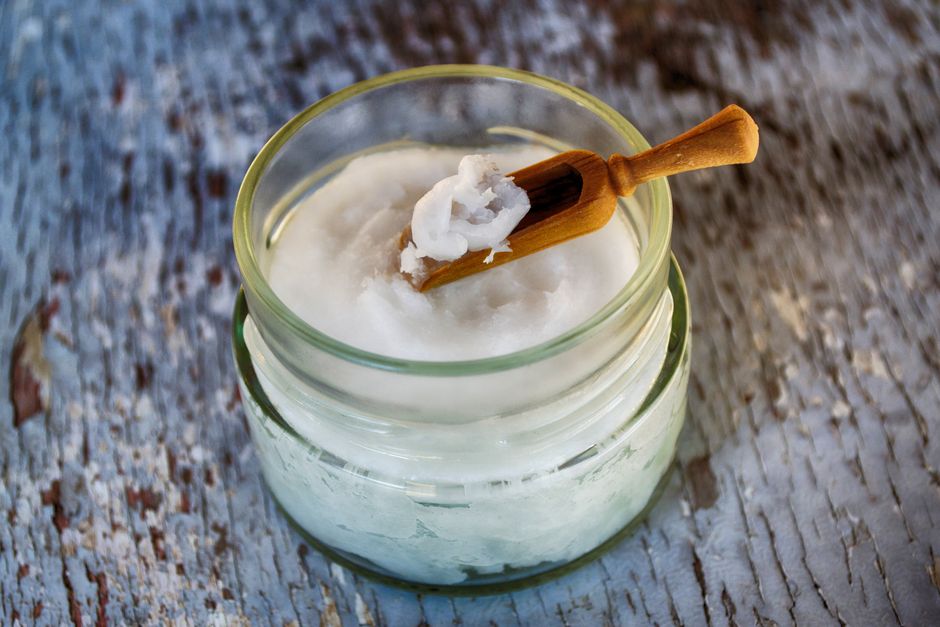
Unrefined coconut oil is good for skin in some ways but not for everyone. It works well as a moisturizer and has natural antibacterial properties. But it can also clog pores and cause breakouts for people with acne-prone skin. The key is knowing your skin type and how you plan to use it.
What Makes Unrefined Coconut Oil Different From Refined?
Unrefined coconut oil comes from fresh coconut meat. It goes through minimal processing. This means it keeps more of its natural nutrients and antioxidants. You might see it labeled as “virgin” or “extra-virgin” coconut oil.
Refined coconut oil goes through bleaching and deodorizing. Some manufacturers use chemical solvents to extract the oil. This process removes the coconut smell and taste. It also strips away many beneficial compounds.
The unrefined version has a lower smoke point of about 350 degrees Fahrenheit. Refined coconut oil can handle higher heat. For skin use, unrefined is generally the better choice because it retains more of the compounds that help skin.
Research published in the journal International Journal of Dermatology found that virgin coconut oil improved skin hydration better than mineral oil. The study was small but the results were clear. Unrefined coconut oil increased skin surface lipid levels and moisture content.
Does Unrefined Coconut Oil Help With Skin Hydration?
Yes. Unrefined coconut oil is an effective moisturizer for many people. It works by filling the spaces between skin cells with fatty acids. This helps prevent water loss from the skin.
The oil contains medium-chain fatty acids. These include lauric acid, capric acid, and caprylic acid. These fatty acids penetrate the skin more deeply than many other oils. They help strengthen the skin barrier.
A study in the journal Dermatitis compared coconut oil to mineral oil in children with eczema. The coconut oil group showed better improvement in skin hydration. 47 percent of children using coconut oil had complete clearance of symptoms. Only 34 percent in the mineral oil group had the same result.
The American Academy of Dermatology notes that coconut oil can be helpful for dry skin. But they also warn that it may not be right for everyone. People with very dry skin on their body often see good results. Using it on the face is more complicated.
Can Unrefined Coconut Oil Clog Pores?
This is where the answer gets complicated. Unrefined coconut oil has a comedogenic rating of 4 out of 5. This means it is highly likely to clog pores. The rating system comes from a study done in the 1970s and is still used today.
But ratings are not the whole story. How your skin reacts depends on your individual skin type. People with naturally oily or acne-prone skin are more likely to get breakouts from coconut oil. People with dry or normal skin often use it without problems.
The fatty acid composition explains why. Coconut oil is about 50 percent lauric acid. Lauric acid has antibacterial properties that can help kill acne-causing bacteria. But it also penetrates pores deeply and can trap dead skin cells and sebum inside.
A 2014 study in the journal Molecular Biology Reports found that lauric acid reduced acne bacteria growth in a lab setting. This sounds promising. But lab results do not always translate to real-world use. The comedogenic effect often outweighs the antibacterial benefit for acne-prone skin.
If you have oily or acne-prone skin, test coconut oil on a small area first. Apply it to your jawline or inner arm for a few days. Watch for small bumps or whiteheads. If you see any, do not use it on your face.





What Are the Antibacterial and Anti-Inflammatory Benefits?
Unrefined coconut oil contains compounds that fight bacteria and reduce inflammation. The main compound is lauric acid. When your body breaks down lauric acid, it creates a substance called monolaurin. Monolaurin can kill harmful bacteria, fungi, and viruses.
Research published in the Journal of Medicinal Food found that coconut oil killed Staphylococcus aureus bacteria in lab tests. This bacteria causes skin infections and can worsen acne. The same study found that coconut oil reduced inflammation in animal skin tissue.
The anti-inflammatory effect comes from antioxidants in the oil. Unrefined coconut oil contains phenolic compounds like gallic acid and ferulic acid. These compounds neutralize free radicals that damage skin cells and cause premature aging.
For minor cuts, scrapes, or insect bites, coconut oil may help prevent infection. It creates a protective barrier while delivering antibacterial compounds to the skin. But it should never replace proper wound cleaning or medical treatment for serious injuries.
The anti-inflammatory properties also make coconut oil useful for conditions like eczema and psoriasis. Some people report less redness and itching after applying it to affected areas. The evidence here is mostly anecdotal. More clinical studies are needed.
How Should You Use Unrefined Coconut Oil on Skin?
Start with a small amount. Coconut oil is very thick and a little goes a long way. Warm it between your palms before applying. This helps it spread more evenly.
For body moisturizing, apply right after a shower while your skin is still damp. This locks in more moisture. Use it on elbows, knees, feet, and other dry areas. Avoid using it on your chest or back if you are prone to body acne.
For the face, proceed with caution. If you have dry or normal skin, you can use it as a night moisturizer. Apply a thin layer after cleansing. If you have oily or combination skin, skip the face entirely.
As a makeup remover, coconut oil works well. It dissolves waterproof mascara and long-wear foundation. Apply a small amount to a cotton pad and gently wipe. Follow with your regular cleanser to remove any oil residue.
For a face mask, mix one teaspoon of coconut oil with one teaspoon of honey. Apply to clean skin and leave for 15 minutes. Rinse with warm water. Honey adds additional antibacterial benefits. This works best for dry skin types.
| Skin Type | Recommended Use | Risk Level |
|---|---|---|
| Dry | Body and face moisturizer | Low |
| Normal | Body moisturizer, occasional face use | Low to moderate |
| Combination | Body use only | Moderate |
| Oily | Body use only on very dry areas | High |
| Acne-prone | Avoid face and back | High |
What Are the Downsides and Risks?
The biggest risk is clogged pores and breakouts. This is the most common complaint people report. If you have acne-prone skin, coconut oil can make things worse even if it kills some bacteria.
Allergic reactions are possible but rare. Coconut is not one of the major food allergens. But some people develop contact dermatitis from topical use. Symptoms include redness, itching, and small bumps. If you have a tree nut allergy, check with your doctor first. Coconut is technically a fruit but some people with tree nut allergies react to it.
Coconut oil can feel greasy. It absorbs slowly compared to lighter oils like jojoba or grapeseed. This can leave a film on your skin that transfers to pillows and clothing. Some people dislike the texture and smell.
Storage matters. Unrefined coconut oil melts at 76 degrees Fahrenheit. In warm weather it turns into a liquid. This does not affect its safety but changes the texture. Keep it in a cool, dark place. Do not add water to the container as this can introduce bacteria.
There is no clinical evidence that coconut oil protects against sun damage. Some people claim it has natural SPF. This is false. The SPF of coconut oil is about 1 to 2. That offers almost no protection. Always use a proper sunscreen rated SPF 30 or higher.
Frequently Asked Questions
Can I use unrefined coconut oil on my face every day?
Only if you have dry or normal skin that does not break out easily. For oily or acne-prone skin, daily use often causes clogged pores and pimples.
Is unrefined coconut oil good for eczema?
Some research shows it can help by moisturizing the skin and reducing bacteria. A 2014 study in the journal Dermatitis found it improved symptoms in children with eczema more than mineral oil.
Does coconut oil expire and go bad?
Yes. Unrefined coconut oil lasts about 2 to 3 years if stored properly. If it smells sour or develops mold, throw it away.
Can coconut oil treat fungal infections on skin?
Lab studies show coconut oil can kill some fungi. But there is not enough clinical evidence to recommend it as a treatment for active fungal infections. See a doctor for proper antifungal medication.
