
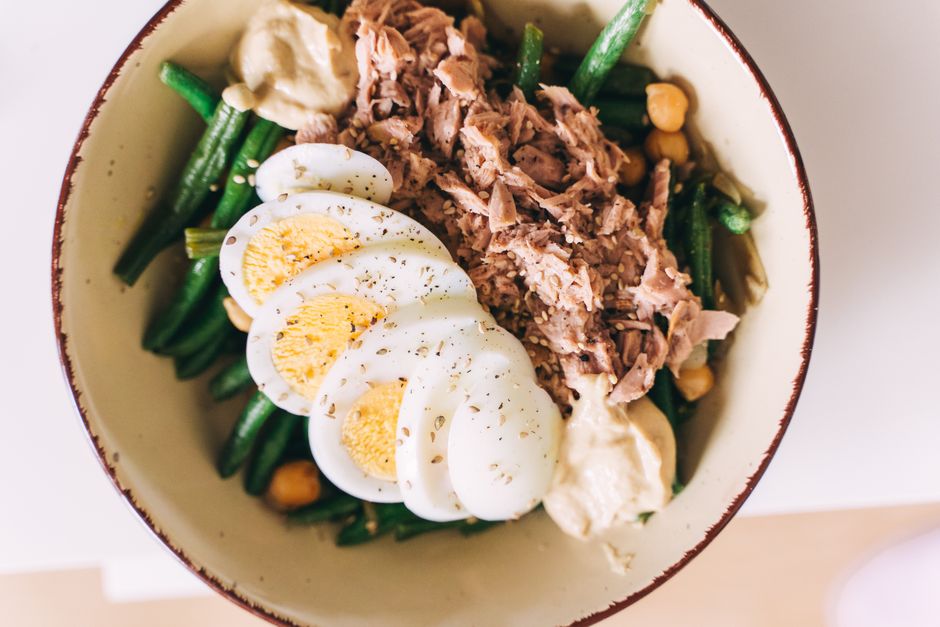
Tuna is a lean protein that many people eat regularly, but when it comes to iron, the answer is more moderate than you might expect. A standard serving of canned light tuna provides about 1-1.3 mg of iron, which is roughly 6-8% of the daily value for an adult. That makes tuna a decent source of iron, but not a particularly rich one compared to red meat, lentils, or spinach. The type of tuna you choose and how it is prepared can change the iron content slightly, but tuna should generally be seen as one part of an iron-conscious diet rather than the main solution.
How Much Iron Is Actually In Tuna?
The iron content in tuna depends on the species and whether it is fresh or canned. Canned light tuna typically contains about 1.0-1.3 mg of iron per 3-ounce serving. Canned white albacore tuna is slightly lower, usually around 0.5-0.7 mg per serving. Fresh yellowfin and bluefin tuna fall somewhere in between, generally providing about 0.8-1.1 mg per 3-ounce cooked portion.
For context, the daily value for iron is 18 mg for most adults. A single serving of canned light tuna covers roughly 6-8% of that need. Women aged 19-50 need more iron — about 18 mg daily — while men and postmenopausal women need about 8 mg. Tuna contributes to those totals, but it is not a concentrated source.
The way tuna is processed matters little for iron content. Canned tuna packed in water versus oil has nearly identical iron levels. The difference is more about calories and fat than minerals. What does change the iron picture is what you eat with the tuna.
Heme Iron vs. Non-Heme Iron: Why It Matters
Tuna contains heme iron, which is the form found in animal muscle and blood. This is important because your body absorbs heme iron much more efficiently than the non-heme iron found in plants. While only about 2-20% of non-heme iron from plant foods gets absorbed, heme iron absorption rates range from 15-35% depending on your iron status.
This means the 1 mg of iron in a serving of canned light tuna is more usable to your body than the 1 mg found in a serving of spinach. For people with low iron stores, heme iron sources are particularly valuable. Tuna is not the richest heme iron source — beef liver, clams, and oysters are far higher — but it is a practical option for people who eat fish regularly.
One useful detail: the presence of vitamin C significantly boosts non-heme iron absorption, but it has little effect on heme iron. That means adding lemon juice to your tuna salad is no more helpful for iron absorption than eating the tuna plain. The heme iron is already well absorbed on its own.
Comparing Tuna To Other Iron Sources
To understand where tuna fits, it helps to see it side by side with other common foods. The following values are approximate iron content per standard serving size.
| Food | Serving Size | Iron Content |
|---|---|---|
| Canned light tuna | 3 oz | 1.0-1.3 mg |
| Canned white albacore tuna | 3 oz | 0.5-0.7 mg |
| Beef sirloin | 3 oz | 2.5-3.0 mg |
| Chicken breast | 3 oz | 0.9 mg |
| Lentils (cooked) | 1 cup | 6.6 mg |
| Spinach (cooked) | 1 cup | 6.4 mg |
| Clams | 3 oz | 23.8 mg |
What this table shows is that tuna sits near the middle of the pack. It beats chicken and white fish, but it is far behind clams, lentils, and spinach. If your goal is to raise your iron levels significantly, tuna alone will not get you there. If you are looking for a lean protein that contributes a modest amount of highly absorbable iron, tuna is a reasonable choice.




Does Canned Tuna Have More Iron Than Fresh Tuna?
People often assume canned foods lose nutrients during processing. For iron, that is not the case. Canned light tuna actually tends to have slightly more iron than fresh tuna because of how it is packed and processed. Some iron can leach from the can itself into the fish during storage, a phenomenon that is well documented in the food science literature.
This is not a reason to seek out canned tuna over fresh for iron purposes. The difference is small — usually less than half a milligram. But it does mean you do not lose iron by choosing canned tuna for convenience. The bigger trade-off with canned tuna is sodium content, not iron.
Fresh tuna also varies by cut and species. Bluefin and yellowfin are the most common fresh options in US markets. Both provide similar iron levels, roughly 0.8-1.1 mg per 3-ounce cooked serving. The variation between individual fish is larger than the variation between species, so precise numbers are not worth chasing.
Who Should Rely On Tuna For Iron?
Tuna makes sense as an iron source for people who eat fish but avoid red meat. It also works well for older adults who want a lean protein that is easy to prepare. But there are groups who should not depend on tuna for their iron needs.
Pregnant women need about 27 mg of iron daily, which is substantially higher than the general recommendation. Tuna alone cannot meet that need, and pregnancy introduces another concern: mercury. The FDA advises pregnant women to limit albacore tuna to 6 ounces per week and light tuna to 12 ounces per week. This is a mercury safety limit, not an iron recommendation. Pregnant women should get iron from other sources like fortified cereals, lean beef, and beans.
People with iron deficiency anemia face a similar issue. The standard treatment is iron supplementation at doses of 65-130 mg of elemental iron daily, depending on what a clinician prescribes. No food, including tuna, comes close to those amounts. Tuna can be part of a balanced diet during anemia treatment, but it is not a substitute for medical care.
For athletes and active people, tuna offers a practical combination of protein and iron. A 3-ounce serving provides about 22 grams of protein along with that 1 mg of iron. This makes it a useful post-workout meal component, especially for people who struggle to get enough iron from plant sources alone.
How To Maximize Iron Absorption From Tuna
Because tuna contains heme iron, you do not need to pair it with vitamin C to improve absorption. However, there are things that can interfere with iron absorption, and knowing them helps you get more value from the tuna you eat.
Calcium is the main inhibitor. Dairy products, calcium-fortified plant milks, and calcium supplements can reduce heme iron absorption when eaten in the same meal. Having a tuna melt with cheese or a tuna salad with a glass of milk may slightly lower how much iron your body takes in. This effect is modest, and for most people it is not worth avoiding dairy entirely. But if you are actively trying to raise low iron levels, separating high-calcium foods from iron-rich meals is a reasonable strategy.
Tannins in tea and coffee also interfere with iron absorption. This effect is stronger for non-heme iron, but it applies to heme iron as well. If you drink tea or coffee with meals, consider waiting 30-60 minutes after eating tuna before your next cup. This small timing change costs nothing and may help your body retain more iron.
One thing that does not help is cooking tuna in a cast iron skillet. While this technique adds meaningful iron to acidic foods like tomato sauce, the effect on fish is minimal because fish cooks quickly and does not absorb much iron from the pan. The iron added this way is non-heme anyway, so it is less bioavailable than the heme iron already in the tuna.
Mercury Concerns: The Real Limitation Of Tuna
Iron content is not the only factor to consider when eating tuna regularly. Tuna is a predatory fish, which means it accumulates mercury from the smaller fish it eats. Larger and older tuna have higher mercury levels. This is why albacore white tuna has more mercury than skipjack light tuna — albacore is a larger species.
The FDA provides clear guidance on this. For most adults, eating 2-3 servings of light tuna per week is considered safe. Albacore tuna should be limited to one serving per week. Pregnant women, nursing mothers, and young children should follow stricter limits because mercury can affect a developing nervous system.
These limits do not change the iron math. They simply mean tuna cannot be an everyday food for most people. If you are relying on tuna as a regular iron source, you will need to rotate in other iron-rich foods to stay within safe mercury limits. Sardines, salmon, and trout are lower in mercury and provide modest iron as well.
Frequently Asked Questions
Is tuna a good source of iron?
Tuna is a moderate source of iron, providing about 1 mg per serving. It is more absorbable than plant iron, but much lower than red meat or shellfish.
Which has more iron: canned light tuna or albacore?
Canned light tuna has more iron, typically 1.0-1.3 mg per serving. Albacore white tuna contains about 0.5-0.7 mg per serving.
Can eating tuna help with iron deficiency?
Tuna can contribute to your daily iron intake, but it is not enough to correct iron deficiency on its own. Iron deficiency anemia requires higher-dose supplementation under medical supervision.
How much tuna can I eat per week without mercury concerns?
Most adults can safely eat 2-3 servings of light tuna per week. Albacore tuna should be limited to one serving per week due to higher mercury levels.
