
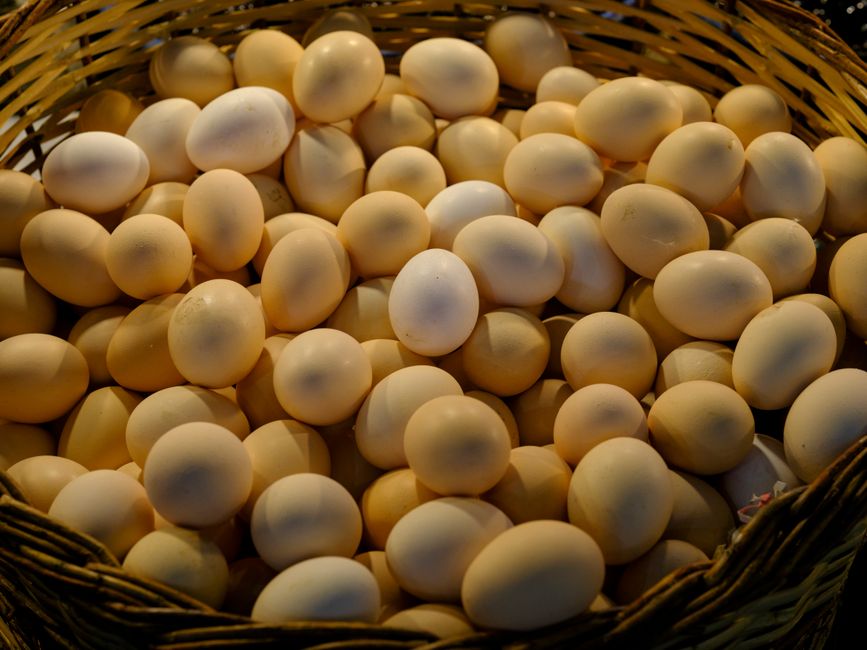
Eggs are a good source of iron, but they are not the best source. A single large egg contains about 0.8 to 1 milligram of iron. That is roughly 5% of the daily iron need for an adult man and about 4% for an adult woman. Eggs provide a modest amount of iron that can fit into a balanced diet, but you would need to eat many eggs to meet your daily requirement. The iron in eggs is also a specific type that your body absorbs at a lower rate than iron from meat.
How Much Iron Is Actually in an Egg?
Most of the iron in an egg is in the yolk. The white contains almost none. A large egg yolk holds roughly 0.9 milligrams of iron. The white contributes only trace amounts.
For comparison, a 3-ounce serving of cooked beef provides about 2 to 3 milligrams of iron. A cup of cooked spinach provides about 6 milligrams. Eggs sit clearly below these foods in iron content. They are not a high-iron food, but they are not negligible either.
Why the Type of Iron in Eggs Matters
There are two forms of iron in food. Heme iron comes from animal muscle tissue — meat, poultry, and fish. Non-heme iron comes from plant foods, dairy, and eggs.
The iron in eggs is non-heme iron. Your body absorbs non-heme iron less efficiently than heme iron. On average, your body absorbs about 15% to 35% of heme iron but only about 2% to 20% of non-heme iron. The exact absorption rate depends on your current iron status. If you are low on iron, your body absorbs more. If you have plenty, it absorbs less.
This means the 0.9 milligrams of iron in an egg yolk does not fully translate to 0.9 milligrams absorbed into your bloodstream. The actual amount your body uses is lower.
Can You Improve Iron Absorption From Eggs?
Yes. Vitamin C significantly improves non-heme iron absorption. Eating an egg with a glass of orange juice, a side of strawberries, or a tomato-based dish can increase how much iron your body takes in.
Certain compounds can also block iron absorption. Calcium is one of them. Eating eggs with cheese or drinking milk alongside may reduce iron absorption. Tannins in tea and coffee also interfere with non-heme iron absorption. If you are trying to maximize iron from a meal, avoid tea or coffee within an hour of eating.
This does not mean you must avoid these foods. It simply means the combination matters. A spinach and egg omelet with a glass of orange juice is a better iron meal than eggs with toast and black tea.




How Eggs Compare to Other Iron Sources
Eggs are a moderate iron source at best. If you are looking to raise your iron levels, you need to know where eggs sit relative to other foods.
| Food | Iron Content (approximate) | Iron Type |
|---|---|---|
| 1 large egg | 0.8–1 mg | Non-heme |
| 3 oz cooked beef | 2–3 mg | Heme |
| 3 oz cooked chicken liver | 9–11 mg | Heme |
| 1 cup cooked lentils | 6–7 mg | Non-heme |
| 1 cup cooked spinach | 6 mg | Non-heme |
| 1 cup fortified breakfast cereal | 10–18 mg | Non-heme |
Eggs are not a primary iron source. They contribute some iron, but relying on eggs alone to prevent or treat iron deficiency is not realistic.
Who Needs to Watch Their Iron Intake?
Iron deficiency is the most common nutritional deficiency worldwide. Certain groups are at higher risk. Menstruating women lose iron monthly through blood loss. Pregnant women need more iron to support fetal development. Vegetarians and vegans get only non-heme iron, which is absorbed less efficiently. People with digestive conditions like celiac disease or Crohn’s disease may absorb iron poorly.
Symptoms of iron deficiency include fatigue, weakness, pale skin, shortness of breath, and dizziness. If you have these symptoms, see a doctor. Do not self-diagnose. A simple blood test measuring ferritin and hemoglobin can tell you whether your iron stores are low.
Should You Eat Eggs for Iron?
Eggs can be part of an iron-conscious diet. They are affordable, versatile, and contain other important nutrients like protein, choline, and vitamin B12. But they should not be your main iron strategy.
If you are trying to increase iron intake, focus on these foods first:
- Red meat, poultry, and fish for heme iron
- Beans, lentils, and chickpeas for plant-based iron
- Dark leafy greens like spinach and kale
- Fortified cereals and grains
- Nuts and seeds, especially pumpkin seeds
Pair plant-based iron sources with vitamin C. Cook in cast iron cookware when possible — it can add small amounts of iron to food. And separate iron-rich meals from tea, coffee, and dairy by at least an hour.
Can Eggs Help With Iron Deficiency Anemia?
No, eggs alone cannot treat iron deficiency anemia. Anemia is a condition where your blood lacks enough healthy red blood cells. Iron deficiency is the most common cause.
Treating anemia requires a more substantial iron intake than eggs provide. Doctors typically recommend iron-rich foods in combination with iron supplements when deficiency is confirmed. The dose depends on your blood test results and your doctor’s assessment. Never start iron supplements on your own — excess iron can be harmful and cause organ damage over time.
Eggs can support an overall iron-rich diet, but they are not a treatment. If you have been diagnosed with iron deficiency, follow your doctor’s advice about supplements and dietary changes.
Are Eggs a Good Source of Iron for Vegetarians?
Eggs are a reasonable iron source for lacto-ovo vegetarians — people who eat eggs and dairy but not meat. However, they are not the strongest plant-adjacent option.
Vegetarians who do not eat meat rely entirely on non-heme iron. Since eggs also contain non-heme iron, they face the same absorption challenges as plant foods. A vegetarian who eats eggs should still emphasize legumes, leafy greens, fortified grains, and vitamin C pairing to meet iron needs.
What About Egg Yolk Color and Iron Content?
Egg yolk color does not indicate iron content. The color comes from pigments in the hen’s feed. A deep orange yolk may look more nutritious, but it does not contain more iron than a pale yellow yolk. Iron content is fairly consistent across commercial eggs regardless of yolk color, shell color, or whether the hen was pasture-raised or caged.
Frequently Asked Questions
How many eggs do I need to eat to get enough iron?
You would need to eat about 10 to 15 eggs per day to meet your full iron requirement, which is not realistic or advisable. Eggs should be one small part of a varied iron-rich diet, not the main source.
Is the iron in eggs heme or non-heme?
The iron in eggs is non-heme iron, the same type found in plants. Your body absorbs non-heme iron less efficiently than the heme iron found in meat, poultry, and fish.
Does eating eggs with orange juice help absorb more iron?
Yes. Vitamin C improves non-heme iron absorption. Having eggs with orange juice, tomatoes, strawberries, or bell peppers can increase how much iron your body absorbs from the meal.
Are egg whites or yolks better for iron?
The yolk contains almost all of the iron in an egg. Egg whites have only trace amounts of iron and are not a meaningful source.
