
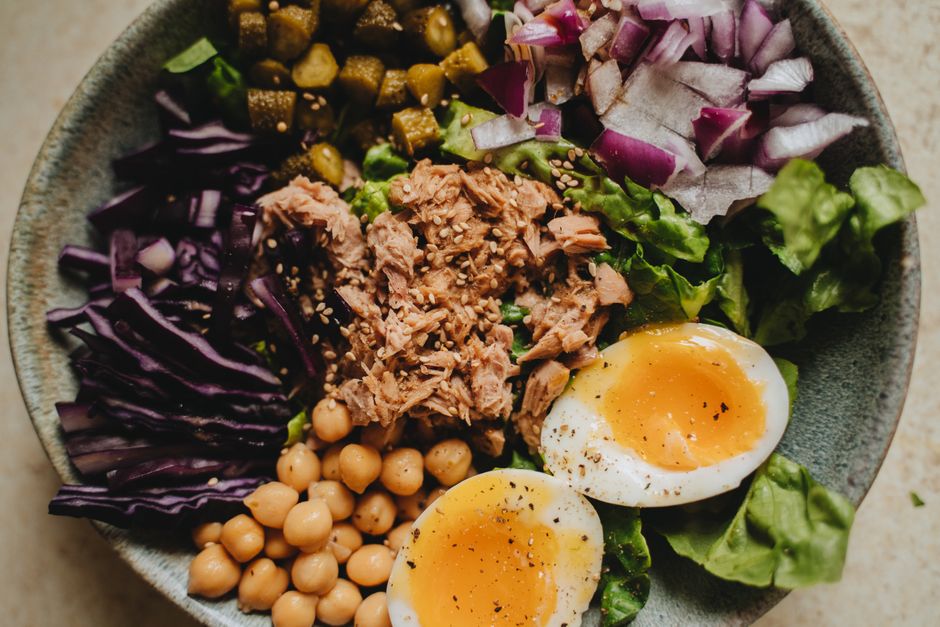
Canned tuna is a pantry staple for millions of Americans. It is cheap, shelf-stable, and packed with protein. But is it actually good for you? The short answer is yes, with some important caveats about mercury and how you eat it. Canned tuna offers significant nutritional benefits, but choosing the right type and eating it in moderation matters more than most people realize.
What Is Actually In A Can Of Tuna?
Canned tuna is a lean source of high-quality protein. A standard 3-ounce serving provides roughly 20-25 grams of protein for very few calories. It also contains essential nutrients like selenium, vitamin D, and B vitamins, especially B12 and niacin.
One of the most valuable nutrients in tuna is omega-3 fatty acids. These are the fats your body cannot make on its own. Omega-3s support heart health, brain function, and help manage inflammation. However, the amount of omega-3s varies wildly depending on the species of tuna in the can.
The type of tuna matters more than the brand. Skipjack tuna, sold as “light” tuna, is smaller and lower in mercury. Albacore, sold as “white” tuna, is a larger fish that accumulates more mercury. Understanding this difference is the foundation of eating canned tuna safely.
Is Tuna From A Can Good For You Compared To Fresh Tuna?
Fresh and canned tuna are both nutritious, but they are not identical. The canning process changes the nutritional profile slightly. Canned tuna generally has lower omega-3 content than fresh tuna because some of the healthy fats are lost during cooking and processing.
Canned tuna makes up for this in convenience and cost. You can get the same protein and micronutrients at a fraction of the price of fresh fish. For most people, the nutritional gap between fresh and canned is small enough that canned tuna remains an excellent choice.
One key difference is sodium. Many brands add salt during the canning process. A single serving can contain 200-300 mg of sodium or more. If you are watching your blood pressure, look for “no salt added” or “low sodium” varieties. You can also rinse the tuna after opening to remove some of the added salt.
Understanding The Mercury Question
Mercury is the main health concern with tuna. Tuna are predatory fish that accumulate mercury from the smaller fish they eat. Larger tuna like albacore and bigeye have higher mercury levels than smaller species like skipjack.
Mercury is a neurotoxin. In high amounts, it can harm the nervous system. For most healthy adults, eating moderate amounts of canned tuna is not a serious risk. The concern is much greater for pregnant women, nursing mothers, and young children because their developing nervous systems are more vulnerable.
The FDA and EPA provide clear guidance on fish consumption. They recommend that people who are pregnant, planning to become pregnant, or nursing eat between 8 and 12 ounces of low-mercury fish per week. Canned light tuna (skipjack) fits in this category. Albacore and white tuna are considered higher in mercury and should be limited to 6 ounces per week for this same group.
For men and non-pregnant women, the risks are lower. Eating canned light tuna a few times per week is generally considered safe. The evidence does not support eating it daily, especially if you choose white or albacore tuna consistently.





Which Type Of Canned Tuna Should You Buy?
The two main categories are light tuna and white tuna. They are not interchangeable when it comes to mercury exposure.
Light tuna comes from skipjack, which is a smaller species. It has lower mercury levels and is the safer choice for regular consumption. Light tuna is also cheaper. The trade-off is that it has a milder flavor and slightly lower omega-3 content.
White tuna is always albacore. Albacore are larger fish that live longer, which means they accumulate more mercury. White tuna has a firmer texture and a milder, more “steak-like” flavor. It also contains more omega-3s than light tuna. But the higher mercury content means you should eat it less often.
There is also a third option appearing on shelves: yellowfin tuna, sometimes labeled as “light” or “gourmet.” Yellowfin falls between skipjack and albacore in mercury content. If the label does not specify the species, you cannot know exactly what you are getting.
Here is a simple comparison of the main types:
- Light tuna (skipjack): Lowest mercury, mild flavor, most affordable, good for regular eating.
- White tuna (albacore): Higher mercury, firmer texture, more omega-3s, limit to 6 ounces per week if pregnant.
- Yellowfin tuna: Moderate mercury, varies by brand, check the label carefully.
How Much Canned Tuna Is Safe To Eat?
There is no single number that applies to everyone. Your body weight, age, and health status all play a role in how your body handles mercury. That said, general guidance exists based on FDA and EPA recommendations.
For healthy adults who are not pregnant, eating canned light tuna two to three times per week is reasonable. Each serving is about 3 ounces, roughly half a standard can. If you prefer albacore, reduce that frequency to once per week or less.
For pregnant women and young children, the guidance is stricter. Canned light tuna can be included in the recommended 8-12 ounces of low-mercury fish per week. Albacore should be limited to 6 ounces per week. Children should eat smaller portions based on their age and body weight.
If you eat tuna every single day, you are likely exceeding safe mercury exposure over time. Mercury builds up in the body, so consistency matters more than any single meal.
What About The Oil, Water, And Other Additives?
Canned tuna comes packed in water, olive oil, vegetable oil, or broth. The packing liquid changes the calorie and fat content.
Tuna packed in water is the leanest option. It has the fewest calories and no added fat. Tuna packed in olive oil has more calories but also adds heart-healthy monounsaturated fats. The omega-3s in tuna may also be better absorbed when eaten with oil.
The difference matters if you are watching your weight. A 3-ounce serving of tuna packed in water has about 100 calories. The same serving packed in oil can have 150-200 calories. If you drain the oil, you remove some of those extra calories, but not all of them.
Some brands add vegetable broth or seasoning. These are generally fine but can add sodium. Always read the label if you are managing blood pressure or fluid retention.
Does Canned Tuna Fit Into A Healthy Diet Plan?
Canned tuna is one of the most cost-effective sources of lean protein available. For the price of a fast-food meal, you can buy several cans that provide complete protein with all essential amino acids.
The main issue is not the tuna itself but what you eat with it. Tuna salad made with large amounts of mayonnaise adds significant calories and saturated fat. A tuna sandwich on white bread with processed mayo is a different meal than tuna mixed with Greek yogurt and served on whole grain bread.
Consider these healthier ways to eat canned tuna:
- Mix with mashed avocado instead of mayonnaise.
- Add to a green salad with olive oil and lemon.
- Eat straight from the can with raw vegetables for dipping.
- Mix with plain Greek yogurt, diced celery, and black pepper.
- Use as a topping for whole grain crackers.
These swaps preserve the protein and omega-3 benefits while avoiding the downsides of heavy dressings.
Are There Any Groups Who Should Avoid Canned Tuna?
Most people can safely include canned tuna in their diet. A few groups need to be more careful.
Pregnant women should limit albacore and choose light tuna instead. The FDA explicitly advises this because mercury can cross the placenta and affect fetal brain development. Nursing mothers should follow the same guidance because mercury passes into breast milk.
Infants and young children should eat smaller portions less frequently. Their smaller body size means the same mercury dose has a greater effect. Introduce tuna only after your pediatrician confirms it is appropriate for your child’s age.
People with kidney disease may need to limit tuna because of its potassium and phosphorus content. The protein load can also strain compromised kidneys. If you have chronic kidney disease, talk to your doctor before adding canned tuna to your regular rotation.
People with a seafood allergy obviously cannot eat tuna at all. Tuna allergy is less common than shellfish allergy, but it exists and can be severe.
Is Canned Tuna Safe During Pregnancy?
Yes, but with specific limits. The FDA includes canned light tuna on its list of “Best Choices” for fish that are low in mercury. Albacore and white tuna fall into the “Good Choices” category, which means they should be limited to one serving per week.
Pregnant women should not eat raw tuna or seared tuna steaks. These are not canned products, but they carry additional risks of foodborne illness. Canned tuna is fully cooked during processing, which eliminates concerns about parasites and most bacterial contamination.
The omega-3s in tuna are actually beneficial during pregnancy. DHA, a specific type of omega-3, supports fetal brain and eye development. The benefits of moderate fish consumption during pregnancy generally outweigh the risks, provided you follow the mercury guidelines.
Frequently Asked Questions
How many cans of tuna can I eat per week?
Healthy adults can safely eat canned light tuna two to three times per week, with each serving around 3 ounces. If you choose albacore or white tuna, limit yourself to one can per week.
Is canned light tuna lower in mercury than white tuna?
Yes, canned light tuna comes from skipjack, a smaller fish that accumulates less mercury. White tuna comes from albacore, a larger fish with higher mercury levels.
Is tuna packed in water healthier than tuna packed in oil?
Tuna packed in water has fewer calories and less fat, making it the better choice for weight management. Tuna packed in olive oil adds healthy fats but also more calories.
Can I eat canned tuna every day?
Eating canned light tuna every day is likely safe for most healthy adults, but it is not recommended because mercury accumulates in the body over time. Rotating tuna with other low-mercury fish like salmon or sardines is a safer long-term approach.
Canned tuna is a genuinely nutritious food that most people can eat regularly without concern. Choose light tuna for frequent meals, save albacore for occasional variety, and pay attention to what you mix into your tuna salad. The evidence is clear that fish consumption supports health, and canned tuna remains one of the most accessible ways to get those benefits.
