
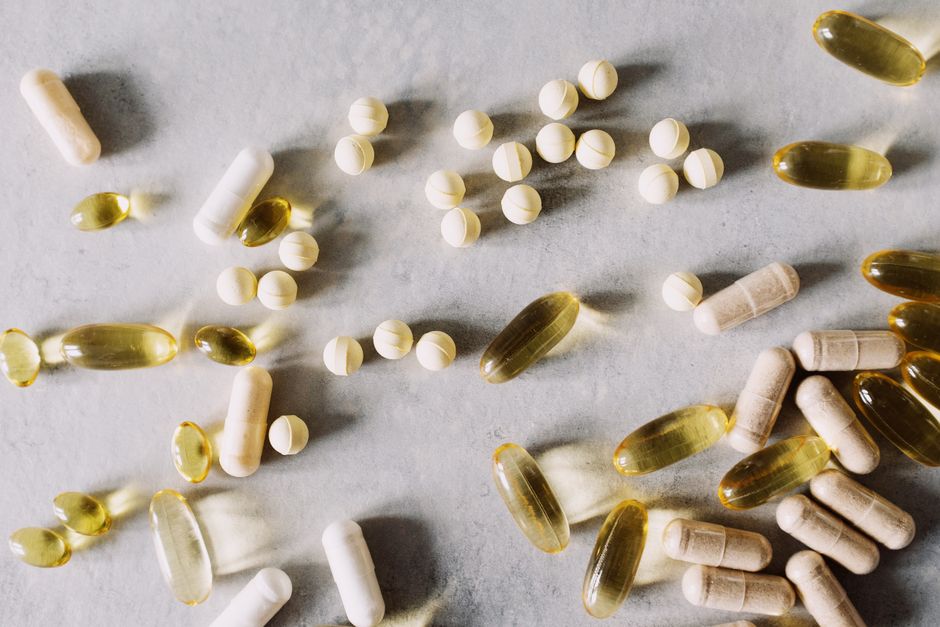
Tretinoin is not vitamin A. It is a prescription retinoid derived from vitamin A, and the difference matters more than most people realize. Vitamin A is a nutrient your body needs for vision, immune function, and skin maintenance. Tretinoin is a medication that changes how skin cells behave. Understanding where one ends and the other begins helps you make sense of everything from acne creams to anti-aging serums.
The confusion is understandable. Both belong to the same chemical family. Both affect the skin. But they are not interchangeable, and treating them as the same thing can lead to mistakes with real consequences.
Is Tretinoin Vitamin A How They Differ And Why It Matters
Vitamin A is an essential nutrient. Tretinoin is a synthetic medication modeled after one specific form of it. That is the core distinction.
Vitamin A refers to a group of fat-soluble compounds that include retinol, retinal, and retinoic acid. You get these from foods like liver, eggs, dairy, and colorful vegetables. Your body converts many of them into the active forms it needs.
Tretinoin is the generic name for all-trans retinoic acid. It is already in the active form. Your skin does not need to convert it. That is why it works faster and more powerfully than retinol or other over-the-counter vitamin A derivatives.
The word “retinoid” covers both natural and synthetic compounds that act like vitamin A. Tretinoin is a retinoid. Retinol is a retinoid. But retinol is available in cosmetics while tretinoin requires a prescription in the United States.
This distinction is not just regulatory. It reflects real differences in potency, how the skin responds, and what side effects are possible.
How Does Vitamin A Actually Work in the Body?
Vitamin A supports several systems. In the eye, a form called retinal combines with a protein to detect light. This is why severe vitamin A deficiency can cause night blindness. In the immune system, vitamin A helps maintain the barriers in your lungs and gut and supports certain white blood cells.
In the skin, vitamin A compounds help regulate cell turnover and repair. The skin uses retinoic acid, the same molecule as tretinoin, as a signaling compound. But your skin produces and uses it in tiny, tightly controlled amounts.
When you eat vitamin A, your body stores it in the liver and releases it as needed. It does not dump large amounts into your skin. This regulation is one reason dietary vitamin A does not produce the same skin effects as tretinoin.
Vitamin A deficiency is rare in the United States. Most people get enough through diet. The recommended daily allowance for adult men is 900 micrograms of retinol activity equivalents, and for adult women it is 700 micrograms. These are established guidelines from the National Institutes of Health.
Getting more vitamin A than you need does not improve your skin. In fact, very high doses from supplements can be toxic. The liver can become overloaded, and symptoms like headaches, nausea, and liver damage can occur. This is a well-documented risk with high-dose vitamin A supplements.
What Makes Tretinoin Different From Other Vitamin A Forms?
Tretinoin is the active form. It binds directly to receptors in skin cells without any conversion step. Retinol, by contrast, must be converted first to retinal and then to retinoic acid. Each step is inefficient.
This is why over-the-counter retinol products are much weaker than prescription tretinoin. Some estimates suggest that only a small fraction of retinol applied to the skin actually becomes retinoic acid. The exact percentage varies by individual and product formulation.
Tretinoin’s direct action means it can produce significant changes in the skin. It speeds up cell turnover, unclogs pores, and reduces the formation of comedones. It also affects melanin production and collagen breakdown. These effects are well established in dermatology.
But the same potency that makes tretinoin effective also makes it irritating. Redness, peeling, dryness, and sun sensitivity are common, especially in the first weeks of use. These are not allergic reactions. They are expected effects of the medication.
Another difference is stability. Tretinoin degrades in sunlight. Retinol is more stable but still sensitive. This is why tretinoin is typically applied at night and why sunscreen during the day is essential.




Can You Get Tretinoin Effects From Vitamin A Supplements or Foods?
No. Eating more vitamin A or taking supplements will not give you tretinoin’s skin effects. The body regulates vitamin A levels too tightly, and the skin does not receive enough retinoic acid from dietary sources to cause the same changes.
Some people take high-dose vitamin A supplements hoping for clearer skin. This is not supported by evidence and carries real risks. Vitamin A toxicity can cause liver damage, bone pain, and birth defects if taken during pregnancy. The threshold for toxicity is much lower than many people assume.
Food sources like sweet potatoes, spinach, and carrots provide beta-carotene, which the body converts to vitamin A as needed. This conversion is also tightly regulated. You cannot eat your way to a tretinoin effect.
The only way to get tretinoin’s specific effects on skin is to apply tretinoin itself or a related prescription retinoid. No diet or supplement can replicate that.
What Are the Risks and Side Effects of Each?
Vitamin A from food is generally safe. The main risk is getting too much from supplements. The tolerable upper intake level for preformed vitamin A in adults is 3,000 micrograms per day. Exceeding this over time can cause liver problems and other issues.
During pregnancy, high-dose vitamin A supplements are particularly dangerous. They can cause birth defects. The safest approach is to get vitamin A from food and avoid high-dose supplements unless a doctor recommends them.
Tretinoin has a different risk profile. It is a prescription medication, so a doctor monitors its use. Common side effects include skin irritation, redness, and increased sun sensitivity. These usually lessen with continued use but can persist.
More serious risks are rare but possible. Tretinoin can cause severe skin reactions in some people. It should not be used during pregnancy because of the risk of birth defects. Women who can become pregnant must use effective contraception while using tretinoin.
Tretinoin also makes skin more vulnerable to sunburn. Daily sunscreen is not optional. Without it, the risk of sun damage and skin cancer may increase.
Why Does the Difference Matter for Your Skin and Health?
The difference matters because it affects what you should expect and what you should avoid.
If you are looking for a dietary solution to acne or wrinkles, vitamin A foods and supplements will not deliver tretinoin-like results. If you are using tretinoin, you are using a potent medication that requires medical supervision and sun protection.
Mixing up the two can lead to mistakes. Some people apply tretinoin too often, thinking it is just a stronger vitamin A cream. This causes unnecessary irritation. Others take high-dose vitamin A supplements thinking they will get clearer skin, risking toxicity for no benefit.
Understanding the difference also helps you read product labels. “Retinol” on a cosmetic label means a weaker, over-the-counter ingredient. “Tretinoin” on a prescription label means the active drug. They are not the same, and they should not be treated as interchangeable.
For most people, vitamin A from food supports general health. Tretinoin, when prescribed and used correctly, can treat acne and improve skin texture. But it is not a vitamin. It is a medication.
Frequently Asked Questions
Is tretinoin just a stronger form of vitamin A?
No, tretinoin is a prescription medication that is the active form of vitamin A, not a stronger version of the nutrient itself. It works directly on skin cells without needing conversion, which is why it requires medical supervision.
Can I use vitamin A oil instead of tretinoin for wrinkles?
No, vitamin A oil from foods or supplements does not provide the same skin effects as tretinoin. Over-the-counter retinol products may offer mild benefits, but they are much weaker and work differently.
Is tretinoin safe to use during pregnancy?
No, tretinoin should not be used during pregnancy because it can cause birth defects. Women who are pregnant or planning to become pregnant should talk to their doctor about safe alternatives.
Do I need sunscreen while using tretinoin?
Yes, tretinoin makes your skin more sensitive to the sun, so daily sunscreen is essential. Without it, you risk sunburn and further skin damage.
