
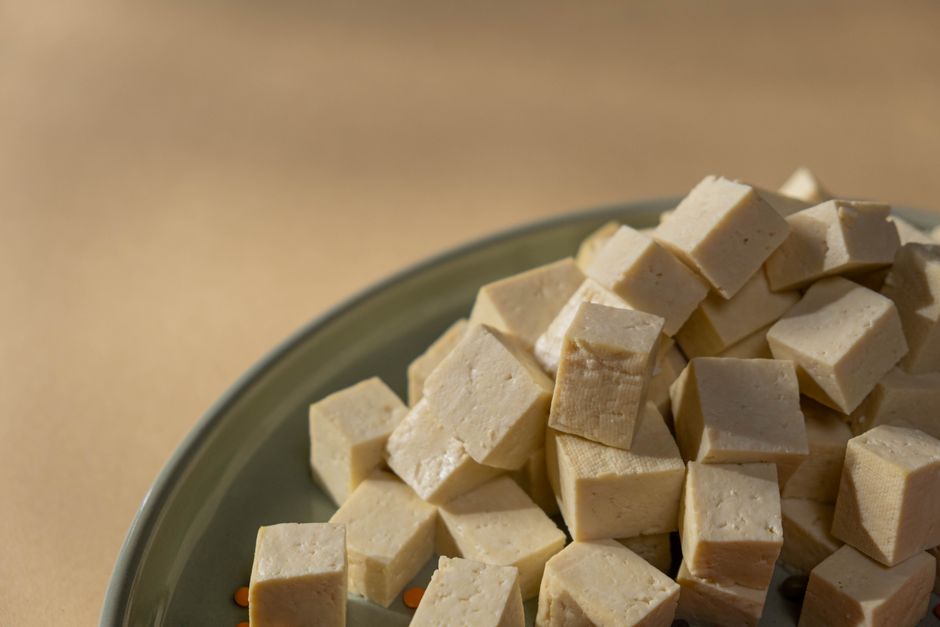
Many people try tofu for the first time and wonder why their stomach feels off afterward. The short answer is that tofu is generally easy to digest for most people, but it depends on the person, how the tofu is prepared, and what else you ate with it. Tofu is made from soybeans, which contain proteins and compounds that some digestive systems handle better than others. This article explains what the research actually says about digesting tofu and gives you practical information to decide if it works for your body.
Does Tofu Cause Gas or Bloating?
Yes, tofu can cause gas and bloating in some people. This is not a sign that something is wrong with you. It is a normal response to certain carbohydrates found in soybeans called oligosaccharides. These are the same types of compounds in beans like black beans and chickpeas that cause gas.
Your small intestine does not have the enzymes needed to break down oligosaccharides fully. So they travel to your large intestine where bacteria ferment them. That fermentation process produces gas. Research published in the Journal of Agricultural and Food Chemistry has confirmed that soy oligosaccharides are responsible for this effect.
The amount of gas you experience depends on how much tofu you eat and your personal gut bacteria makeup. Some people have a microbiome that handles these compounds easily. Others feel bloated after a small serving. If you are new to tofu, starting with a smaller portion, like a quarter of a block, can help you see how your body responds.
What Makes Tofu Hard to Digest for Some People?
Several factors can make tofu harder to digest than expected. The first is the type of tofu you choose. Silken tofu has a higher water content and is generally easier to break down than extra-firm tofu, which is more concentrated in protein and fiber. Studies have found that firmer tofu takes longer to digest in a laboratory setting because the protein structure is denser.
Another factor is how the tofu is cooked. Raw tofu contains protease inhibitors, which are natural compounds that slow down protein digestion. Cooking tofu deactivates most of these inhibitors. The American Institute for Cancer Research notes that heating soy products neutralizes these compounds effectively. So eating raw tofu straight from the package may cause more digestive discomfort than eating it stir-fried, baked, or boiled.
Individual differences in digestive enzymes also matter. Some people produce less of the enzyme needed to break down soy protein efficiently. This is more common in people who do not eat soy regularly. Your body can adapt over time, but the first few times may be harder on your stomach.
Is Tofu Easier to Digest Than Meat?
For most people, yes, tofu is easier to digest than red meat or processed meat. The protein in tofu is already partially broken down during the manufacturing process. When soybeans are turned into tofu, the protein structure changes in a way that makes it more accessible to digestive enzymes. Research in the journal Food Chemistry has shown that soy protein isolate digests faster than casein, the main protein in dairy, and faster than beef protein in controlled experiments.
Meat, especially red meat, requires more stomach acid and longer digestive time because of its dense protein fibers and fat content. Tofu is lower in fat and has a softer texture, so it moves through the stomach more quickly. A comparison table helps show the differences clearly:
| Food Type | Average Stomach Emptying Time | Common Digestive Issues |
|---|---|---|
| Silken tofu | 1 to 2 hours | Minimal for most people |
| Extra-firm tofu | 2 to 3 hours | Gas or bloating in sensitive people |
| Chicken breast | 2 to 3 hours | Rare in healthy people |
| Beef steak | 3 to 4 hours | Feeling heavy, acid reflux |
| Pork chop | 3 to 4 hours | Gas, fullness, slower digestion |
This does not mean everyone should switch to tofu. Some people digest meat perfectly fine. But if you have a sensitive stomach or slow digestion, tofu is a reasonable alternative that is less likely to sit heavy in your gut.





Does the Way You Prepare Tofu Change How Easy It Is to Digest?
Yes, preparation matters a lot. The most digestible form of tofu is silken tofu that has been lightly steamed or added to soups. Steaming breaks down remaining protease inhibitors without adding hard-to-digest fats. A study in the Journal of Food Science found that steaming soy products increased protein digestibility by roughly 10 to 15 percent compared to raw forms.
Frying tofu in oil makes it harder to digest. The added fat slows stomach emptying and can cause discomfort, especially for people with gallbladder issues or fat malabsorption. If you fry tofu, using a small amount of oil at a moderate temperature is better than deep frying.
Marinating tofu in acidic ingredients like lemon juice or vinegar can also help. Acid begins breaking down the protein structure before the tofu even enters your mouth. This is similar to how ceviche works with fish. A short marinade of 15 to 30 minutes can make a noticeable difference for people who struggle with tofu.
Freezing tofu changes its texture completely. When you freeze and thaw tofu, the water inside expands and creates a spongy texture. This does not change digestibility much, but it does remove water and concentrates the protein. Some people find frozen-thawed tofu harder to digest simply because they eat more protein per bite without realizing it.
What About Tofu and IBS or Other Digestive Conditions?
Tofu is a common trigger for people with irritable bowel syndrome, or IBS, but not for the reason most think. The FODMAP content of tofu is actually low. FODMAPs are short-chain carbohydrates that ferment in the gut and cause symptoms in people with IBS. Firm and extra-firm tofu are considered low FODMAP in servings up to about half a cup, according to Monash University, the leading research group on FODMAPs.
The real issue for people with IBS is often the fiber content or the sheer volume of protein. Tofu contains about 2 grams of fiber per serving, which is moderate. For someone with sensitive bowels, even moderate fiber can cause cramping or urgency. Also, eating a large serving of any protein-rich food at once can trigger the gastrocolic reflex, which stimulates bowel movements.
For people with more serious conditions like gastroparesis, where the stomach empties slowly, tofu is generally better than meat but worse than simple carbohydrates like white rice or applesauce. The protein and fat in tofu still require stomach acid and enzyme activity. If you have gastroparesis, silken tofu blended into a smoothie is the easiest form to tolerate because it is already partially liquefied.
People with soy allergies should avoid tofu entirely. Soy is one of the top eight allergens in the United States. The Asthma and Allergy Foundation of America reports that soy allergy affects about 0.4 percent of children and a smaller percentage of adults. Symptoms include hives, stomach pain, vomiting, and in rare cases anaphylaxis. If you have a known soy allergy, no amount of preparation makes tofu safe.
Common Misconceptions About Tofu and Digestion
A widespread claim online is that tofu is hard to digest because it contains antinutrients like phytic acid and trypsin inhibitors. This is true in theory but misleading in practice. Phytic acid can bind to minerals like iron and zinc, reducing absorption. Trypsin inhibitors slow protein digestion. However, the amounts in cooked tofu are low. The processing of soybeans into tofu removes most of the water-soluble antinutrients. Cooking destroys the rest. A review in the journal Nutrients confirmed that traditional tofu preparation reduces trypsin inhibitor activity by over 90 percent.
Another myth is that tofu rots in your gut and causes fermentation. This is based on a misunderstanding of how digestion works. All food ferments to some degree in the large intestine, including vegetables, grains, and meat. That fermentation is normal and healthy. Tofu does not rot in a harmful way. The gas it produces is the same as gas from eating broccoli or beans.
Some people claim that only fermented soy products like tempeh or miso are digestible. This is not supported by evidence. Fermentation does break down some compounds further, but plain tofu is still highly digestible for the vast majority of people. A 2021 study in the Journal of Functional Foods found no significant difference in digestibility between fermented and non-fermented tofu in healthy adults.
Here is a quick list of practical tips if you want to make tofu easier on your stomach:
- Start with silken tofu instead of extra-firm
- Cook it thoroughly — steam, bake, or boil rather than eat raw
- Keep portions moderate, around half a block per meal
- Marinate in lemon juice or vinegar for 15 to 30 minutes before cooking
- Avoid deep frying or heavy oil preparations
- Pair with easy-to-digest vegetables like zucchini or carrots
Frequently Asked Questions
Can you eat tofu every day?
Yes, eating tofu daily is safe for most people. The FDA states that 25 grams of soy protein per day as part of a diet low in saturated fat may reduce heart disease risk.
Is tofu easier to digest than eggs?
For most people, eggs are slightly easier to digest than tofu. Eggs have a simple protein structure that breaks down quickly, while tofu contains fiber and oligosaccharides that can cause gas.
Does freezing tofu make it harder to digest?
Freezing changes the texture but does not significantly change digestibility. The main difference is that frozen-thawed tofu is denser, so you may eat more protein without realizing it.
Can tofu cause stomach pain if you are not used to it?
Yes, eating tofu for the first time or after a long break can cause temporary stomach pain or gas. This usually resolves as your gut bacteria adjust to processing soy compounds.
