
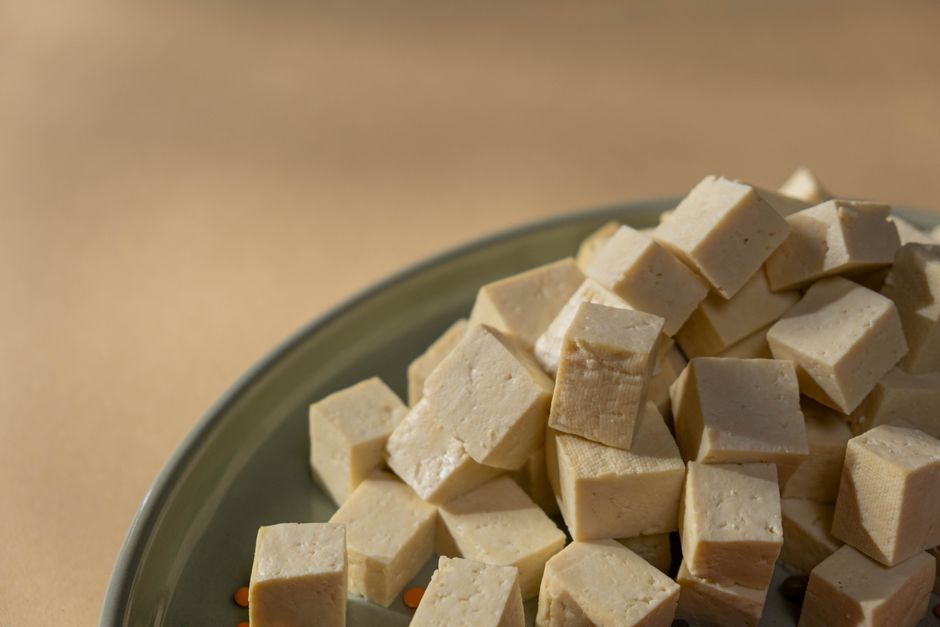
Tofu is not bad for you. For the vast majority of people, tofu is a safe, nutrient-dense food that provides high-quality protein, iron, and calcium. The fear around tofu comes mostly from myths and misunderstandings about soy, not from solid evidence. Decades of research find that moderate tofu consumption—one to two servings per day—is linked to better heart health, lower cancer risk in some cases, and no meaningful harm for people without pre-existing conditions. Let’s walk through what the actual science says.
Does Tofu Cause Cancer?
This is the most common fear people have. The idea that soy causes breast cancer comes from old animal studies where rats were fed massive amounts of isolated soy compounds. Those studies do not apply to humans eating normal amounts of tofu.
Research shows the opposite. A 2020 analysis of over 300,000 women found that those who ate more soy had a lower risk of breast cancer. Another large study from China followed women for over a decade and found that soy food intake was linked to a 30% lower risk of death from breast cancer. The key compounds in soy called isoflavones are weak plant estrogens. They can actually block stronger human estrogens from binding to receptors, which may protect breast tissue.
Current research suggests that for most women, including breast cancer survivors, tofu is safe and possibly beneficial. The American Institute for Cancer Research states that soy foods do not increase cancer risk. If you already have estrogen-sensitive breast cancer, talk to your doctor. But for everyone else, tofu is not causing cancer. It appears to help prevent it.
Does Tofu Mess With Your Hormones?
This fear comes from the fact that soy contains isoflavones, which are classified as phytoestrogens. The word “estrogen” scares people. But phytoestrogens are not the same as human estrogen. They are much weaker—about 100 to 1,000 times less potent.
Studies in men are the clearest test case. If soy significantly raised estrogen levels, men eating tofu would show hormonal changes. They do not. A 2021 meta-analysis of over 40 studies found that soy foods and soy supplements had no effect on testosterone levels in men. None. They also had no effect on estrogen levels. Another study had men eat the equivalent of 12 servings of tofu per day for a month. No hormone changes.
For women, the picture is similar but more complex. In premenopausal women, isoflavones can slightly lengthen the menstrual cycle by a day or two. That is not harmful. In postmenopausal women, soy may actually reduce hot flashes and improve bone density. There is no evidence that tofu disrupts fertility or causes early puberty. Those claims are not supported by human research.
Is Tofu Bad for Your Thyroid?
Soy contains goitrogens, which are compounds that can interfere with thyroid function if consumed in very large amounts. This is true. But the practical risk is low for most people.
The concern is theoretical. Goitrogens can block the thyroid’s ability to take up iodine. If you have an existing thyroid condition like hypothyroidism and you eat massive amounts of soy while being iodine deficient, your thyroid function could drop. But for someone with a healthy thyroid eating normal tofu portions, there is no evidence of harm. A 2019 review in the journal Nutrients concluded that soy does not cause hypothyroidism in people with adequate iodine intake.
If you take thyroid medication, there is a real concern. Soy can reduce absorption of levothyroxine. The fix is simple: take your medication on an empty stomach and wait at least four hours before eating tofu. That is standard advice for many foods and supplements that affect absorption. Do not stop eating tofu if you have a thyroid condition. Just time your medication correctly.
-
 Fermented Foods List For Gut Health. Best Ones Included!
 -
Connor Stanhope Weight Loss Journey. What Diet He Followed?
-
ProstaVive Reviews 2025. Analyzed Complaints & Scam Reports!
-
Gordon Ramsay Skin Cancer: Take Sun Protection Seriously!
-
SleepLean Reviews. Does It Help Weight Loss & Sleep (2025 Verdict)




Is Tofu Ultra-Processed and Unhealthy?
This depends on the tofu you buy. Plain tofu is minimally processed. You take soybeans, soak them, grind them, boil them, and press the curds. That is it. By that definition, yogurt and cheese are also processed. Processing is not automatically bad.
The problem is with heavily processed soy products. Things like soy protein isolate in protein powders, soy-based meat substitutes with long ingredient lists, and soy oils used in fried foods. Those are different from a block of tofu.
Here is a quick comparison to make it clear:
| Type of Soy | Processing Level | Nutrition Profile |
|---|---|---|
| Plain tofu (firm, silken) | Minimal | High protein, calcium, iron. Low in additives. |
| Edamame (whole soybeans) | Minimal | Fiber, protein, vitamins. Whole food. |
| Soy milk (unsweetened) | Moderate | Often fortified. Check for added sugars. |
| Soy protein isolate | Heavy | Isolated protein. Often in powders and bars. |
| Soy-based meat substitutes | Heavy | Often high in sodium, fillers, and preservatives. |
The takeaway: eat tofu. Avoid fake meat products made from soy isolate with a dozen ingredients. They are not the same food.
What About Tofu and Digestion?
Some people report bloating or gas after eating tofu. This is real for a minority of people. Tofu contains oligosaccharides, which are complex sugars that gut bacteria ferment. This can cause gas, especially if you are not used to eating legumes or soy.
The fix is not to avoid tofu. It is to start with smaller amounts. Try half a serving. Cook it thoroughly. Chew well. Your gut bacteria adapt over time. If you have irritable bowel syndrome or a known sensitivity to FODMAPs, firm tofu is low in FODMAPs and generally well tolerated. Silken tofu is higher in FODMAPs and may cause issues for sensitive people.
There is also the question of antinutrients. Soy contains phytates, which can bind to minerals like zinc and iron and reduce absorption. This is true of all legumes and whole grains. The effect is small for people eating a balanced diet. If you are concerned, pair tofu with vitamin C-rich foods like bell peppers or citrus. That boosts iron absorption. Soaking and cooking also reduce phytate levels significantly.
How Much Tofu Is Safe to Eat?
There is no established upper limit for tofu. Studies have looked at people eating several servings per day for years with no negative effects. In Asian populations, where tofu is a staple, average intake is about one to two servings per day. That is 100 to 200 grams of tofu, or roughly half a block.
For most people, one to two servings per day is a reasonable and safe amount. That gives you the protein, calcium, and isoflavone benefits without any known risk. Eating more than that occasionally is not dangerous. But if you are eating tofu at every meal, you might be crowding out other protein sources. Variety is still important.
As of 2026, no major health organization has issued a warning about tofu. The FDA, the World Health Organization, and the American Heart Association all recognize soy as a healthy protein source. The only people who need to be cautious are those with soy allergies, which are rare, and those on thyroid medication who need to time their doses properly.
Frequently Asked Questions
Does tofu cause breast cancer?
No. Research shows that tofu consumption is linked to lower breast cancer risk, not higher. The old fear came from animal studies that do not apply to humans.
Can men eat tofu without affecting testosterone?
Yes. Multiple studies confirm that tofu does not lower testosterone levels in men. The isoflavones in soy are too weak to affect male hormones.
Is tofu safe for people with thyroid problems?
Yes, with one caveat. If you take thyroid medication, take it on an empty stomach and wait four hours before eating tofu. Tofu does not cause thyroid disease in people with adequate iodine intake.
Is tofu considered a processed food?
Plain tofu is minimally processed, similar to yogurt or cheese. Heavily processed soy products like soy protein isolate and fake meats are different and less healthy.
