
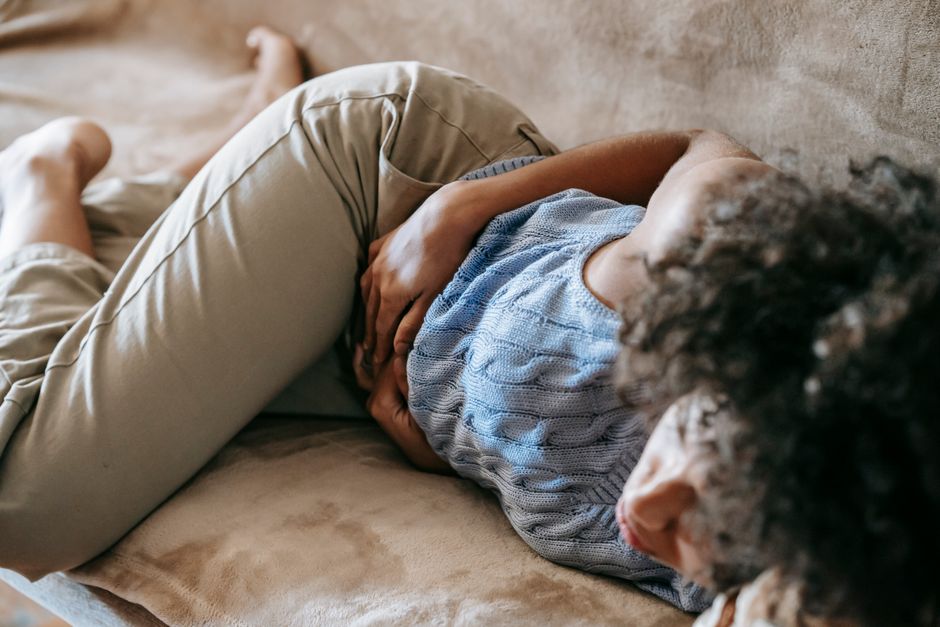
Sacralization of L5 is a common congenital variation of the lower spine, and for most people, it is not a serious condition. It becomes a concern only when the altered bone structure leads to abnormal stress on nearby joints, which can cause lower back pain or stiffness over time. For the vast majority of individuals, it is an incidental finding on an X-ray or MRI that requires no treatment at all.
What Does Sacralization Of L5 Actually Mean?
Your spine is made of bones called vertebrae. The lowest one is the fifth lumbar vertebra, known as L5. Below that sits the sacrum, a triangular bone that connects the spine to the pelvis.
In most people, there is a clear joint between L5 and the sacrum. In sacralization, L5 has partially or completely fused to the sacrum. The bone looks like it has become part of the sacrum, hence the name. It is a structural difference that some people are born with, not something that develops from injury or poor posture.
This condition is present from birth and affects roughly 6 to 12 percent of the general population. Many people who have it never know until they have imaging done for an unrelated reason.
Is The Sacralization Of L5 A Serious Condition?
No, sacralization of L5 is not considered a serious condition in itself. It is a normal anatomical variation, not a disease. Seriousness depends entirely on how your individual spine responds to the altered mechanics.
Most people with sacralization have no symptoms and live with no restrictions. The fusion actually reduces motion at that segment, which can sometimes protect the disc above it from wear. In a smaller group of people, the asymmetry of the fusion creates uneven stress on the facet joints or the disc at L4-L5, which may lead to degenerative changes and chronic pain later in life.
The key distinction is that the condition itself is rarely dangerous. What matters is whether it causes symptoms, and if so, how those symptoms respond to conservative care.
What Symptoms Can Sacralization Cause?
When symptoms do occur, they usually appear in adulthood, often between ages 20 and 40. The most common complaint is chronic low back pain, typically in the center of the lower back or just above the buttocks.
Some people experience pain that radiates into the buttock or down the back of the thigh. This happens because the altered joint mechanics can irritate nearby nerves or the joints themselves. However, true nerve root compression with numbness or weakness in the leg is uncommon with sacralization alone.
Stiffness in the lower back after sitting for long periods is another frequent report. Some people notice that bending backward or standing for extended time aggravates the area.
It is important to note that having sacralization does not mean your back pain is caused by it. Many people with sacralization have back pain from muscle strain, disc problems, or arthritis that has nothing to do with the fusion. A clinician should evaluate the whole picture before attributing symptoms to this variation.





How Is Sacralization Diagnosed?
Sacralization is diagnosed through imaging. A plain X-ray of the lumbar spine is usually sufficient to see the fusion. The radiologist will note the shape of L5 and its relationship to the sacrum.
There are different degrees of sacralization. Some are partial, where part of the vertebra is enlarged or touches the sacrum without full bony union. Others are complete, where the bone is fully fused. The degree of fusion does not reliably predict whether you will have symptoms.
An MRI may be ordered if you have leg symptoms that suggest nerve involvement. The MRI shows soft tissues, discs, and nerves that X-rays cannot. It helps rule out a herniated disc or spinal stenosis as the actual source of pain.
One important point: sacralization can make it harder to count vertebrae on imaging. A spine that appears to have only four lumbar vertebrae on an X-ray may actually have five, with the lowest one fused. This matters if you are ever being evaluated for spinal surgery, because operating on the wrong level is a known risk in these cases.
When Is Treatment Needed?
If sacralization causes no symptoms, no treatment is needed. You do not need to restrict activity, avoid exercise, or take preventive measures. The spine is not fragile because of this variation.
If you have pain, treatment focuses on the symptoms, not on reversing the fusion. The bone cannot be unfused, and surgery is almost never indicated for sacralization itself.
Conservative treatment typically includes:
- Physical therapy to strengthen core and back muscles
- Stretching exercises for the lower back and hips
- Postural retraining, especially if you sit for long hours
- Nonsteroidal anti-inflammatory drugs for pain flares
- Heat or ice application for temporary relief
Physical therapy is the cornerstone of care. The goal is to improve the stability of the surrounding muscles so the altered joint mechanics cause less strain. Some clinicians recommend specific exercises to improve mobility in the hips and thoracic spine, which can reduce load on the lower back.
Surgery is reserved for rare cases where conservative care fails and there is clear evidence that the sacralization is causing severe degenerative changes at the level above. Even then, the decision is highly individualized and requires thorough discussion with a spine specialist.
Can Sacralization Lead To Other Spine Problems?
Because the fused segment no longer moves, the level directly above it, L4-L5, takes on more motion than usual. Over time, this extra motion can accelerate wear on that disc and its facet joints. Some research suggests that people with sacralization may have a higher rate of degenerative changes at L4-L5 compared to those without the variation.
This does not mean everyone with sacralization will develop degeneration. Many do not. It simply means the mechanical situation is different, and for some people, that difference adds up over decades.
There is also a condition called Bertolotti syndrome, where the enlarged transverse process of the fused L5 forms a false joint with the sacrum or ilium. This pseudo-joint can become arthritic and painful. Bertolotti syndrome is a recognized cause of low back pain in some people with sacralization, though not all researchers agree on how common it is.
If you have sacralization and persistent pain, your doctor may order a diagnostic injection into the area of the pseudo-joint. If the injection relieves pain temporarily, it supports the diagnosis that this structure is the source. This is a diagnostic tool, not a treatment.
Does Sacralization Affect Pregnancy Or Childbirth?
Sacralization does not prevent pregnancy or complicate delivery in most cases. The pelvis retains its overall structure, and the fused segment does not typically obstruct the birth canal.
Some women with sacralization report increased low back pain during pregnancy. This is common in pregnancy generally, and it is difficult to separate the effect of the anatomical variation from the normal ligamentous and postural changes of pregnancy.
If you are pregnant and have known sacralization, mention it to your obstetrician and physical therapist. They can tailor exercises and positioning to your specific anatomy. There is no evidence that sacralization requires cesarean delivery or special obstetric monitoring.
What Is The Long-Term Outlook?
The long-term outlook for most people with sacralization is excellent. The condition does not shorten lifespan, does not cause paralysis, and does not inevitably lead to disability.
For those who develop symptoms, the majority improve with conservative management. Chronic pain can persist in some cases, but it is typically manageable with exercise, activity modification, and occasional medication use.
The most important factor in long-term outcome is not the fusion itself but how well you maintain the health of the surrounding structures. Strong core muscles, healthy body weight, regular movement, and good ergonomics at work all contribute to spine health regardless of whether you have sacralization.
If you have been told you have sacralization and you are pain-free, there is no reason to worry. If you have pain, seek evaluation from a qualified clinician who can determine whether the sacralization is actually the source or whether something else is going on.
Frequently Asked Questions
Can sacralization of L5 cause leg pain?
Yes, it can cause referred pain into the buttock or back of the thigh in some people. True nerve compression with numbness or weakness is uncommon with sacralization alone.
Is sacralization a disability?
No, sacralization is not considered a disability. Most people with the condition have no symptoms and no functional limitations.
Does sacralization get worse with age?
The fusion itself does not progress, but the joints above the fused segment may develop degenerative changes over time. This can lead to pain in some people as they age.
Can exercise help sacralization pain?
Yes, physical therapy and targeted exercise are the most effective conservative treatments. Strengthening the core and back muscles reduces stress on the altered joint mechanics.
