
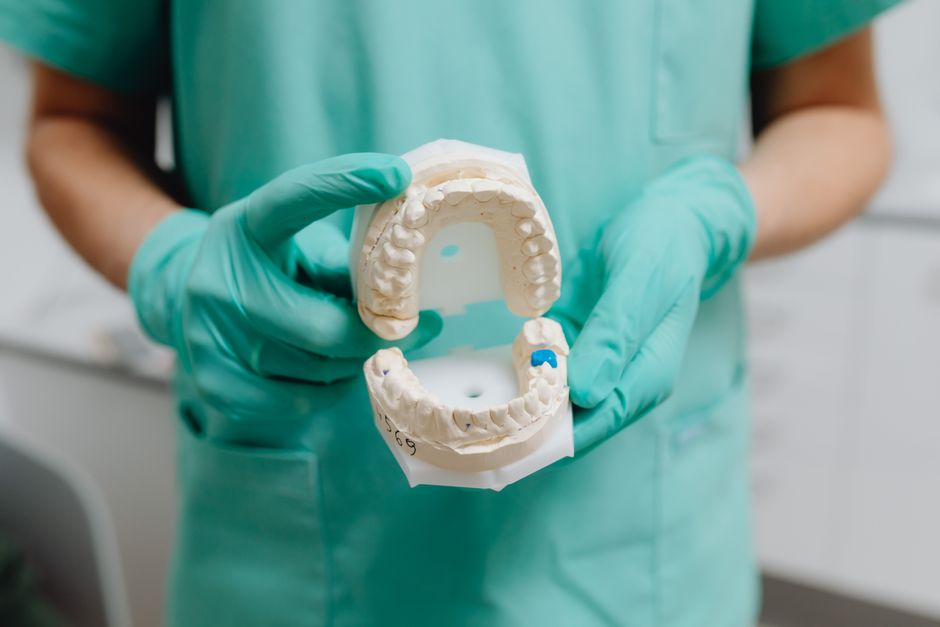
Teeth grinding, known clinically as bruxism, runs in families. That is not a myth. Studies of twins and family histories consistently point to a genetic contribution to both sleep bruxism and awake bruxism. But genes are only part of the picture. Grinding is a complex behavior shaped by your nervous system, your sleep, your stress response, and your dental anatomy. Understanding the genetic link helps you see why it matters — and why it does not tell the whole story.
Is Teeth Grinding Hereditary? The Genetic Link Explained
Yes, there is a real genetic component to bruxism. Research in twin populations has shown that identical twins are more likely to both grind their teeth than fraternal twins. That pattern is one of the strongest signals scientists use to identify a heritable trait. When a characteristic shows up more often in identical twins — who share nearly all their genes — than in fraternal twins, genetics is likely playing a role.
Family studies support this too. If a parent grinds their teeth, their children appear more likely to grind as well. But “more likely” is not the same as “destined to.” Inheritance raises the odds. It does not seal your fate.
It is worth being precise about what these studies can and cannot tell us. Twin and family studies estimate how much of the variation in a trait across a population is explained by genetic differences. They do not identify a single “grinding gene.” No such gene has been found. Instead, bruxism appears to be polygenic — influenced by many genes, each with a small effect, working together with environmental factors.
This is a key point that often gets lost. Heritability is about populations, not individuals. Knowing bruxism runs in your family tells you your risk may be higher. It does not tell you whether you personally will grind your teeth.
What Genes Are Involved in Bruxism?
Researchers have not pinned bruxism to one specific gene. What they have found are clues about the biological systems that genetics may influence.
One area of interest involves the regulation of dopamine and other neurotransmitters in the brain. Dopamine is a chemical messenger involved in movement control and reward. Some research has looked at genes related to dopamine signaling and their possible connection to bruxism. The findings are suggestive, not conclusive.
Another area involves the body’s stress response systems. Since bruxism is tied to arousal during sleep and to anxiety in waking hours, genes that shape how the nervous system handles stress could plausibly play a role. Again, this is an area of ongoing study rather than settled science.
What is clear is that bruxism is not caused by a single inherited flaw. It emerges from the interaction of multiple genetic tendencies and a range of external triggers. That complexity is exactly why two siblings with the same parents can have very different grinding patterns.
How Much of Teeth Grinding Is Genetic?
Twin studies suggest genetics accounts for a meaningful share of the variation in bruxism — but not all of it, and probably not even most of it. Estimates vary across studies, and the exact figure depends on the population studied and how bruxism was measured.
Rather than chase a single number, it helps to think in terms of contribution. Genetics sets the stage. Other factors decide how the play unfolds.
Those other factors include:
- Stress and anxiety levels
- Sleep quality and sleep disorders such as sleep apnea
- Certain medications, including some antidepressants
- Alcohol, caffeine, and tobacco use
- Dental alignment and bite
- Age and life stage
Each of these can push a person toward grinding — or pull them away from it. A strong genetic tendency might stay quiet if sleep is good and stress is low. A weaker genetic tendency might flare up under chronic stress or poor sleep.





Does Having a Parent Who Grinds Mean You Will Too?
No. Having a parent who grinds raises your risk. It does not determine your outcome.
This distinction matters because people often hear “hereditary” and assume it means “inevitable.” That is not how complex traits work. Many people with a family history never develop noticeable bruxism. Many people with no family history do.
If a parent grinds their teeth, it is reasonable to be aware of the possibility in yourself or your children. Awareness can help you notice early signs, like jaw soreness in the morning, flattened or worn tooth surfaces, or a partner mentioning grinding sounds at night. But awareness is not the same as worry. Most bruxism is mild and does not cause serious harm.
It is also worth noting that families share more than genes. They share environments, habits, stress patterns, and sometimes sleep conditions. When bruxism appears to “run in a family,” some of that pattern may come from shared circumstances rather than shared DNA. Untangling the two is genuinely difficult, and researchers acknowledge this limitation.
How Do You Know If You Grind Your Teeth?
Many people grind their teeth without realizing it. Sleep bruxism happens during sleep, so you are not aware of it in the moment. Awake bruxism — clenching or grinding while awake — can also become an unconscious habit.
Common signs include:
- Jaw or facial muscle soreness, especially in the morning
- Headaches that tend to start near the temples
- Flattened, chipped, or worn-down teeth
- Increased tooth sensitivity
- Damage to the inside of the cheeks from chewing
- A partner who hears grinding sounds at night
None of these signs is unique to bruxism. Jaw pain can come from other causes. Worn teeth can result from acids in the diet or from reflux. Headaches have many sources. That overlap is why a dentist or physician is better positioned than a symptom checklist to sort out what is actually happening.
If you suspect bruxism, a dental exam is a sensible first step. Dentists can often see patterns of wear that point to grinding. In some cases, a sleep study may be recommended — particularly if sleep apnea is suspected, since the two conditions can occur together.
Can You Prevent Bruxism If It Runs in Your Family?
You cannot change your genes. But you can influence many of the factors that interact with them.
Because stress and sleep are strongly linked to bruxism, addressing those areas is a reasonable focus. General approaches that some clinicians discuss include relaxation techniques, good sleep habits, and limiting alcohol and caffeine, especially in the evening. The evidence for these approaches specifically reducing bruxism is limited, though they support general health.
Dental professionals sometimes recommend a mouthguard or splint to protect teeth from wear. This is common clinical practice. It is important to understand what a guard does and does not do. A guard can help protect tooth surfaces. It is not generally considered a cure for the grinding behavior itself, and evidence on how well it reduces grinding activity is mixed.
If a medication or another health condition appears to be contributing, that is a conversation to have with a physician. Never stop or change a prescribed medication on your own.
For children who grind their teeth, the picture is often different. Bruxism is relatively common in childhood and many children outgrow it. A dentist can help decide whether any intervention is needed.
The Bottom Line on Genetics and Grinding
Teeth grinding has a genuine hereditary component. Twin and family studies support that. But it is not a simple inherited trait, and no single gene has been identified. Genetics shifts your odds. It does not write your future.
The most useful takeaway is practical. If bruxism runs in your family, pay attention to the signs. Get a dental check if something seems off. And focus on the factors you can actually influence — sleep, stress, and habits — while being honest that the evidence for fully preventing bruxism is limited. That is a more accurate picture than either “it’s all in your genes” or “you can stop it if you try hard enough.”
Frequently Asked Questions
Is teeth grinding hereditary?
Yes, research points to a genetic component. Twin and family studies show that bruxism tends to run in families, though no single gene has been identified.
Can you inherit teeth grinding from your parents?
You can inherit a tendency toward it, but not the behavior itself. A family history raises your risk without guaranteeing you will grind your teeth.
What percentage of teeth grinding is genetic?
Estimates vary across studies, and no single figure is firmly established. Genetics appears to account for part of the variation in bruxism, with stress, sleep, and other factors making up the rest.
Does bruxism ever go away on its own?
In some people it does, particularly in children, who often outgrow it. In adults, bruxism can be persistent, and patterns vary widely from person to person.
