
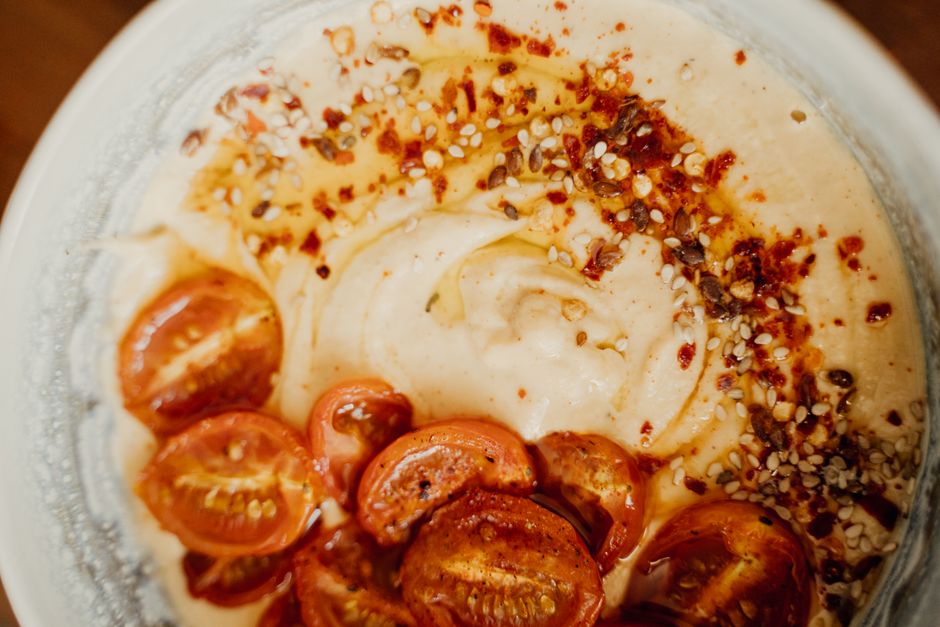
Tahini is a paste made from ground sesame seeds. It is good for you. It provides healthy fats, plant protein, and several important vitamins and minerals. But like any food, it has limits. The health benefits are real, though some claims about it are overblown. Let’s look at what the evidence actually says.
What Nutrients Does Tahini Actually Provide?
Tahini is nutrient-dense. A two-tablespoon serving (about 30 grams) contains roughly 180 calories, 16 grams of fat, 5 grams of protein, and 6 grams of carbohydrates including 3 grams of fiber. The fat content is mostly unsaturated, which is the kind that supports heart health.
The mineral content is where tahini shines. It is one of the best food sources of copper. Two tablespoons provide about 27 percent of the daily value. Copper is essential for red blood cell formation and nerve function. Tahini is also high in phosphorus, manganese, and magnesium. These minerals support bone health, energy production, and muscle function.
Sesame seeds contain calcium. But there is a catch. The calcium in tahini is not absorbed as well as calcium from dairy. The seeds have oxalates and phytates, which bind to calcium and reduce absorption. So while tahini has calcium, do not rely on it as your primary source. Research shows the bioavailability is roughly half that of milk calcium.
Tahini provides small amounts of B vitamins, especially thiamine and vitamin B6. It also contains vitamin E, an antioxidant that protects cell membranes from damage. The nutrient profile is solid but not miraculous. It is a good addition to a balanced diet, not a cure-all.
What Does Research Say About Tahini and Heart Health?
Studies have found that sesame seed consumption can improve cholesterol levels. A 2016 review in the Journal of Nutrition analyzed multiple trials. It found that eating sesame seeds reduced total cholesterol and LDL cholesterol, the “bad” kind. The effect was modest but consistent. The unsaturated fats and lignans in sesame seeds likely drive this benefit.
Sesame seeds contain lignans, specifically sesamin and sesamolin. These compounds have antioxidant and anti-inflammatory properties. Some animal studies suggest they may help lower blood pressure. Human research is more limited. A small 2006 study from Japan found that sesamin supplementation reduced blood pressure in people with hypertension. But the doses used were higher than what you get from tahini.
Tahini also provides magnesium and potassium. Both minerals play a role in blood pressure regulation. Most adults do not get enough magnesium. Adding tahini to your diet can help close that gap. But do not expect dramatic changes. Heart health depends on your overall diet, not a single food.
The evidence supports tahini as a heart-friendly food. It is not a treatment for heart disease. It is one tool among many. Swap it for less healthy fats like butter or processed dressings. That is where the real benefit comes from.
Is Tahini Good For You If You Have Inflammation?
Chronic inflammation is linked to many diseases. Sesame seeds have anti-inflammatory properties. The lignans and vitamin E in tahini can reduce markers of inflammation in the body. Some studies suggest this may help with conditions like arthritis.
A 2012 study in the International Journal of Rheumatic Diseases looked at patients with knee osteoarthritis. Those who ate sesame seeds daily for two months had lower inflammatory markers and less pain compared to a control group. The effect was not huge, but it was measurable. The authors noted that the anti-inflammatory benefits likely come from the combination of compounds in the seeds.
Another study from 2015 found that sesame seed consumption reduced C-reactive protein, a key marker of inflammation. The reduction was about 20 percent in the sesame group. That is meaningful for people with chronic low-grade inflammation.
Tahini is not a replacement for medical treatment. But it can be part of an anti-inflammatory diet. Pair it with other whole foods like leafy greens, berries, and fatty fish. That combination has stronger evidence for reducing inflammation than any single food.





Does Tahini Help with Blood Sugar Control?
The evidence here is mixed. Some studies suggest sesame seeds can improve blood sugar control. Others show no significant effect. The fiber and fat in tahini slow down carbohydrate absorption. That can prevent sharp spikes in blood sugar after meals.
A 2017 study in the American Journal of Clinical Nutrition found that adding tahini to a high-carbohydrate meal reduced the post-meal blood sugar response by about 15 percent. The effect was seen in people with type 2 diabetes. The researchers attributed this to the fat and fiber content.
But tahini is calorie-dense. If you eat too much, the extra calories can lead to weight gain. Weight gain worsens blood sugar control. So portion size matters. Two tablespoons is a reasonable serving. More than that and the downsides may outweigh the benefits.
Some people report that tahini helps with cravings. The protein and fat make it satiating. That can help with overall calorie control. But this is anecdotal. There is no strong clinical evidence that tahini directly lowers blood sugar over the long term.
What Are the Downsides of Eating Tahini?
Tahini has a few potential downsides. The most obvious is calorie density. Two tablespoons have about 180 calories. It is easy to eat more than that. People often underestimate how much they are consuming. If you are watching your weight, measure your portions.
Allergies are another concern. Sesame is a common allergen. In the United States, sesame became the ninth major allergen in 2023. People with sesame allergies must avoid tahini entirely. Symptoms range from mild hives to life-threatening anaphylaxis.
Oxalates are present in sesame seeds. For most people, this is not a problem. But if you have a history of kidney stones, especially calcium oxalate stones, you may need to limit tahini. The oxalates can bind to calcium and contribute to stone formation. Talk to your doctor if this applies to you.
Some brands add salt or sugar to tahini. Check the ingredient list. The best tahini has one ingredient: sesame seeds. Some brands use roasted seeds, which have a stronger flavor. Both are fine. Avoid products with added oils or preservatives. They do not add value and can dilute the nutrient content.
How Does Tahini Compare to Other Nut and Seed Butters?
A comparison can help you choose. Here is a quick look at how tahini stacks up against other popular options per two-tablespoon serving.
| Butter | Calories | Protein (g) | Fat (g) | Fiber (g) | Key Minerals |
|---|---|---|---|---|---|
| Tahini | 180 | 5 | 16 | 3 | Copper, Magnesium, Phosphorus |
| Peanut Butter | 190 | 8 | 16 | 2 | Niacin, Magnesium, Vitamin E |
| Almond Butter | 200 | 7 | 18 | 3 | Vitamin E, Magnesium, Calcium |
| Sunflower Seed Butter | 210 | 6 | 18 | 2 | Vitamin E, Selenium, Copper |
Tahini is lower in protein than peanut or almond butter. But it is higher in copper and magnesium. The fat profile is similar across all of them. The best choice depends on your nutritional needs and taste preferences. Rotating between a few options gives you a wider range of nutrients.
How Should You Use Tahini in Your Diet?
Tahini is versatile. The most common use is in hummus. Hummus combines tahini with chickpeas, lemon juice, and garlic. It is a balanced snack with protein, fiber, and healthy fats.
You can drizzle tahini on roasted vegetables. It works well with broccoli, cauliflower, or sweet potatoes. Mix it with lemon juice and water to make a thin dressing. Pour it over salads or grain bowls.
Tahini also works in sauces. Combine it with soy sauce, rice vinegar, and a little honey for a savory-sweet dressing. Use it on noodles or stir-fried vegetables. It adds creaminess without dairy.
Baking with tahini is another option. Substitute it for butter or oil in some recipes. It adds a nutty flavor to cookies and muffins. The fat content works well in baked goods.
Start with one tablespoon if you are new to tahini. See how your body responds. Some people find it heavy. That is normal. Your digestive system may need time to adjust to the fiber and fat.
Common Misconceptions About Tahini
One myth is that tahini is high in omega-3 fatty acids. It is not. Sesame seeds contain some alpha-linolenic acid, but the amount is small. Flaxseeds, chia seeds, and walnuts are much better sources of omega-3s.
Another myth is that tahini is a complete protein. It is not. Like most plant proteins, sesame seeds are low in the amino acid lysine. You need to combine it with other protein sources like legumes or grains to get all essential amino acids. This is not a problem if you eat a varied diet.
Some people claim tahini can cure osteoporosis because of its calcium content. That is misleading. As mentioned earlier, the calcium in tahini is not well absorbed. It can contribute to your overall intake but should not be your only source. Weight-bearing exercise and vitamin D are more important for bone health.
The idea that tahini is a “superfood” is also overhyped. It is a healthy food. It is not a miracle food. No single food deserves that label. A balanced diet with many whole foods is what matters.
As of 2026, current research supports tahini as a nutritious addition to most diets. It provides healthy fats, minerals, and some protein. It may help with heart health and inflammation. But it is not a cure for any condition. Eat it in moderation as part of a varied diet.
Frequently Asked Questions
Is tahini healthy to eat every day?
Yes, in moderation. Two tablespoons per day is reasonable for most people. Watch your total calorie intake and choose unsalted versions.
Does tahini cause weight gain?
It can if you eat too much. Tahini is calorie-dense. Stick to one or two tablespoons per serving to avoid excess calories.
Is tahini better than peanut butter?
Neither is clearly better. Tahini has more copper and magnesium. Peanut butter has more protein. Choose based on your nutritional needs and taste.
Can tahini help with constipation?
The fiber in tahini can help some people. Two tablespoons provide about 3 grams of fiber. Drink plenty of water for the best effect.
