
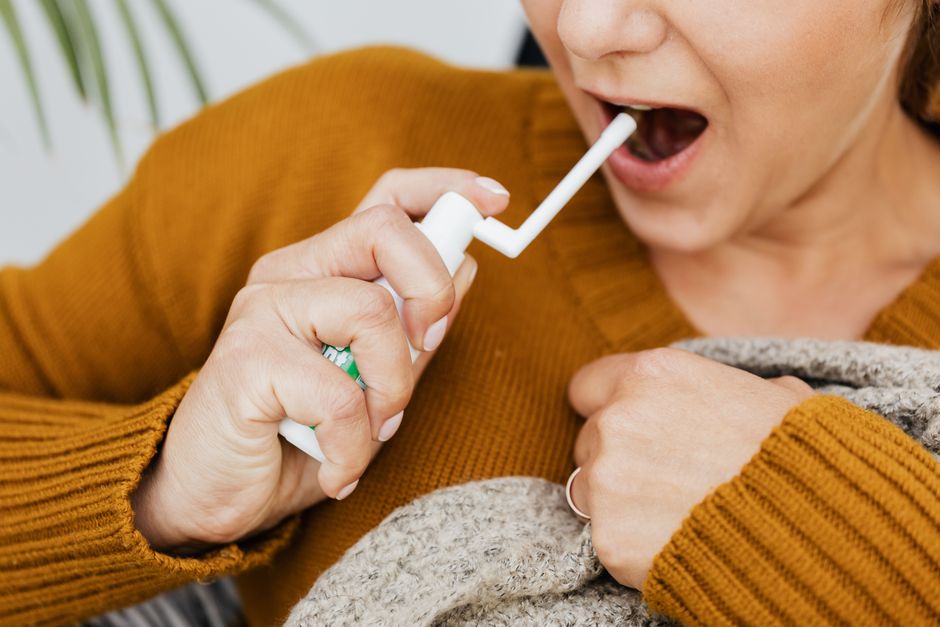
Yes, a sore throat can be the only symptom of COVID-19. While the early days of the pandemic often highlighted fever, cough, and loss of taste or smell, the virus has evolved. Current variants, especially Omicron subvariants, frequently present with upper respiratory symptoms that look a lot like a common cold. For many people, a scratchy or painful throat is the first and sometimes only sign they are infected. This makes it easy to mistake COVID-19 for allergies, dry air, or a mild cold.
Can A Sore Throat Be The Only Symptom Of Covid With Current Variants?
Yes, this is more common now than it was with earlier strains. Research published in the journal The BMJ has tracked how COVID-19 symptoms have shifted over time. With the original virus, a sore throat was less common. With the Delta variant, it became more frequent. With Omicron and its subvariants, a sore throat is one of the top reported symptoms.
Data from the ZOE Health Study, which collects symptom reports from millions of users, shows that a sore throat is now a leading indicator of COVID-19. In many cases, it appears before other symptoms. Some people never develop fever, cough, or fatigue. Their only complaint is a sore throat that lasts for a few days.
This shift matters because it changes how people decide to test. If you assume you only have COVID if you have a fever or cough, you might miss an infection. A sore throat alone is enough reason to take a rapid test, especially if you have been around someone who is sick.
How Often Does a Sore Throat Appear Without Other COVID Symptoms?
Studies suggest that a sore throat as a solo symptom is not rare, but it is not the most common pattern either. A 2023 study in Nature Communications looked at symptom patterns in over 100,000 COVID cases. It found that about 10 to 15 percent of people reported a sore throat as their only symptom at the time of testing.
That number might actually be higher because many people with mild symptoms never test. If you have a sore throat and no fever, you might assume it is allergies or a cold. You might not bother testing at all. This means official numbers likely underestimate how often a sore throat is the only sign.
Some people also develop a sore throat first and other symptoms a day or two later. So a sore throat can be the only symptom on day one, but not on day three. If you test early, you might catch it at that single-symptom stage.
What Does the Sore Throat Feel Like With COVID?
People describe it differently than a typical strep throat. With strep, the pain is usually sharp and constant, especially when swallowing. The COVID sore throat is often described as scratchy, dry, or like something is stuck in the throat. Some people call it a “tickle” that leads to a dry cough later.
A 2022 study in Otolaryngology–Head and Neck Surgery compared throat symptoms across different viral infections. COVID sore throats were more likely to feel mild to moderate rather than severe. They also tended to come on quickly and resolve within three to five days.
It is worth noting that a sore throat from COVID can still be painful. Some people report intense pain. But the more common description is a raw or irritated feeling, not the stabbing pain of strep or tonsillitis.




How Do You Know If Your Sore Throat Is COVID or Something Else?
You cannot know for sure without a test. The symptoms of COVID, the common cold, flu, and even allergies overlap heavily. A sore throat alone does not tell you which virus you have. But there are some clues that make COVID more likely.
If your sore throat is accompanied by a runny or stuffy nose, headache, or sneezing, it could be a cold or COVID. If you have body aches and fever, flu is possible. If you have itchy eyes and sneezing without fever, allergies are more likely.
The only reliable way to tell is a PCR test or a rapid antigen test. Rapid tests are less sensitive for Omicron, so a negative test on day one does not rule out COVID. The CDC recommends testing again 24 to 48 hours later if symptoms persist.
Here is a simple comparison of common symptoms for each condition:
| Symptom | COVID | Cold | Flu | Allergies |
|---|---|---|---|---|
| Sore throat | Common | Common | Sometimes | Sometimes |
| Fever | Common | Rare | Common | Never |
| Cough | Common | Mild | Common | Sometimes |
| Loss of taste/smell | Less common now | Rare | Rare | Never |
| Itchy eyes | Rare | Rare | Rare | Common |
| Body aches | Sometimes | Rare | Common | Never |
What Should You Do If You Have a Sore Throat and Suspect COVID?
Take a test. That is the single most useful step. If you test positive, the CDC currently recommends isolating for at least five days. If you test negative but still have symptoms, test again in a day or two. A single negative test does not mean you are clear.
While you wait, treat the sore throat with things that are known to work. Warm salt water gargles can reduce inflammation. Honey in tea can coat the throat and calm irritation. Over-the-counter pain relievers like ibuprofen or acetaminophen can help with pain and any low-grade fever.
Stay hydrated. Dry throat tissue is more painful. Drink water, broth, or herbal tea. Avoid very hot liquids that can burn already irritated tissue. Avoid alcohol and smoking, both of which dry out the throat and slow healing.
Some people report that cold foods like ice cream or popsicles help numb the pain temporarily. This is not backed by strong evidence, but it is harmless and might help you feel better.
Common Misconceptions About Sore Throat and COVID
One common myth is that a sore throat without fever means you are not contagious. This is false. People with mild or no symptoms can still spread the virus. The viral load can be just as high in someone with only a sore throat as in someone with a fever.
Another misconception is that a sore throat from COVID always feels different than a normal sore throat. Some people expect a distinct “COVID sore throat” that is unmistakable. In reality, the sensation varies widely. Some people have mild scratchiness. Others have significant pain. There is no single signature feeling.
A third myth is that if you have been vaccinated, you cannot get a sore throat from COVID. Vaccines are very good at preventing severe illness, but they do not block infection entirely. Breakthrough infections happen, and a sore throat is a common symptom in vaccinated people. The vaccine makes it less likely you will end up in the hospital, not less likely you will have a sore throat.
Here are a few things to keep in mind if you have a sore throat and wonder if it could be COVID:
- Test more than once. Rapid tests miss many Omicron infections on the first try.
- Check for other mild symptoms. Fatigue, runny nose, or headache might be subtle but present.
- Consider your exposure. If you were around someone with COVID recently, a sore throat is a strong clue.
- Do not rely on loss of taste or smell. This is much less common with current variants.
As of 2026, there is no clinical evidence that any home remedy can prevent COVID or cure a sore throat faster. The virus runs its course. Your job is to manage symptoms and avoid spreading it to others.
Frequently Asked Questions
Can a sore throat be the only symptom of COVID in children?
Yes, children often have mild or atypical symptoms. A sore throat alone is possible, especially with current variants.
How long does a COVID sore throat last without other symptoms?
Most people recover within three to five days. If it lasts longer than a week, consider other causes like strep throat or allergies.
Should I isolate if I have a sore throat and test negative for COVID?
It depends on your exposure risk. If you had close contact with a confirmed case, isolate and test again in 24 to 48 hours.
Can a sore throat from COVID be treated the same as a cold sore throat?
Yes, the same remedies apply. Warm fluids, pain relievers, and rest are effective for both. Only testing can tell them apart.
