
Yes, squash spaghetti is good for you. It is a low-calorie, low-carbohydrate vegetable that provides fiber, vitamin C, and potassium. It works well as a lighter stand-in for wheat pasta, especially for people watching their calorie intake or managing blood sugar. It is not a perfect swap for everyone, though, and it does not deliver much protein on its own.
Squash spaghetti — usually called spaghetti squash — is a winter squash with pale yellow flesh that separates into noodle-like strands when cooked. The name describes its shape, not its nutrition. It is a vegetable pretending to be pasta, and it is worth knowing exactly where that comparison holds up and where it does not.
What Is Squash Spaghetti and How Is It Made?
Spaghetti squash is a real vegetable, a member of the winter squash family that also includes butternut and acorn squash. It grows as a firm, oval fruit with a hard rind. The “spaghetti” effect comes from its internal structure.
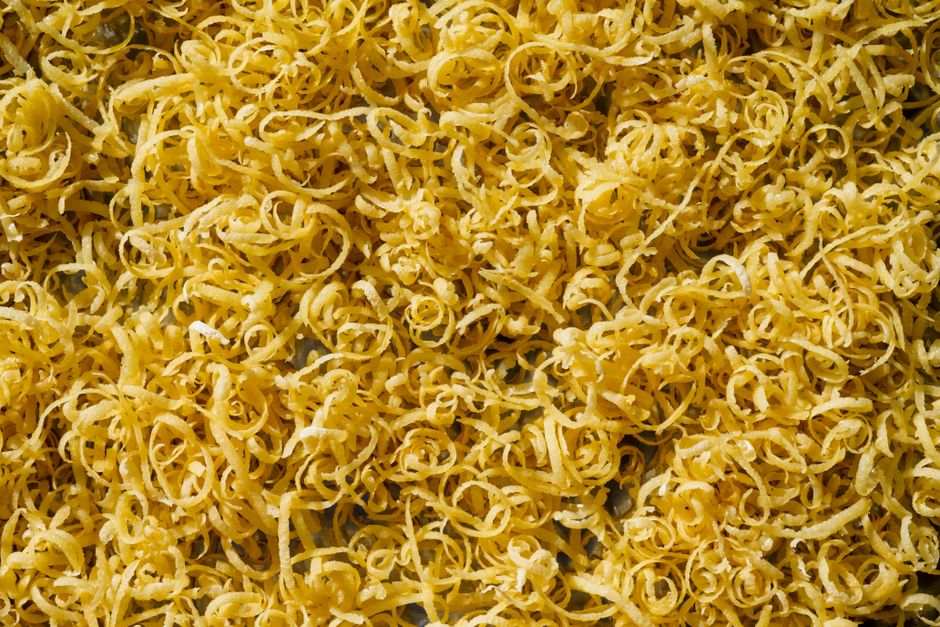
The flesh is arranged in long fibers that run from end to end. When you roast or bake the squash, those fibers loosen and separate easily with a fork into thin, noodle-like strands. Boiling tends to make them watery, so most people roast it cut-side down. The result is tender strands with a mild, slightly sweet flavor and a texture that holds up under sauce.
It is not a processed product and contains no additives. The strands are simply the natural anatomy of the cooked vegetable. That matters for the nutrition comparison, because you are eating a whole food, not a manufactured pasta substitute.
Is Squash Spaghetti Good For You Nutritionally?
A cup of cooked spaghetti squash is light on calories and carbohydrates while still providing useful nutrients. According to USDA data, one cup of cooked spaghetti squash contains roughly 42 calories and about 10 grams of carbohydrate, including around 2 grams of fiber. It supplies vitamin C, potassium, and a range of B vitamins, and it is very low in fat and sodium.
Compare that to a cup of cooked regular pasta, which typically lands near 200 calories with about 40 grams of carbohydrate and considerably more protein. The vegetable is not “better” in every dimension — it simply trades calories and carbs for a much lower protein and calorie load. That trade is the whole point.
| Nutrient (1 cup cooked) | Spaghetti Squash | Regular Pasta |
|---|---|---|
| Calories | ~42 | ~200 |
| Carbohydrate | ~10 g | ~40 g |
| Fiber | ~2 g | ~2–3 g |
| Protein | ~1 g | ~7 g |
The fiber figure is worth pausing on. Spaghetti squash has fiber, but it does not have dramatically more than pasta. Its main advantage is the calorie and carbohydrate reduction, not a fiber windfall. People sometimes assume the vegetable is far higher in fiber than it is.
Why Is Squash Spaghetti Good for Weight Management?
The calorie difference is the headline. Swapping a cup of pasta for a cup of spaghetti squash removes roughly 150 calories from a meal. That is a meaningful gap if you eat pasta often, because the swap can be made without giving up the experience of a noodle dish with sauce.
Volume matters too. A large serving of spaghetti squash fills the plate for very few calories, and the bulk and fiber can help with fullness. Foods that are high in water and fiber tend to satisfy with fewer calories, which is a well-established principle in weight management. The vegetable is mostly water.
One honest caveat: the swap only helps if the rest of the meal stays the same. People often load spaghetti squash with heavy sauces, cheese, or oil, which can erase the calorie savings. The vegetable is not a magic lever. It is a lower-calorie base, and what goes on top still counts.




Does Squash Spaghetti Help With Blood Sugar?
Spaghetti squash has a much lower carbohydrate load than wheat pasta, so a serving raises blood sugar less than a comparable serving of regular pasta. For people managing blood sugar, that lower carb count can make meal planning easier.
The evidence needs a careful framing here. Comparing the glycemic response of a vegetable to pasta is not the same as proving a health outcome. Some studies suggest lower-carbohydrate vegetable swaps can help with post-meal glucose control, but no large trials have established spaghetti squash as a treatment for diabetes or prediabetes. It is a reasonable food choice within a balanced diet, not a therapy.
Anyone adjusting carbohydrate intake for a medical condition should work with their clinician or a registered dietitian rather than relying on a single food swap. The vegetable fits well into many eating patterns, but individual needs vary.
What Are the Downsides of Squash Spaghetti?
The biggest limitation is protein. A cup of spaghetti squash has only about a gram of protein, compared with several grams in pasta. If pasta is a regular protein source in your meals, swapping it out means you need to add protein elsewhere — beans, lentils, chicken, fish, eggs, or tofu — to keep the meal balanced.
Texture and satisfaction are real considerations too. Spaghetti squash does not taste like pasta. It has a mild sweetness and a softer bite. Some people love it; others find it does not satisfy a pasta craving. If the swap leaves you hungry and reaching for snacks later, it has not helped.
There is also a practical point about preparation. The squash is hard to cut raw and takes time to roast. That is not a health downside, but it affects whether people actually use it. Pre-cut or frozen options exist, though quality varies.
Finally, spaghetti squash is not a substitute for vegetables you already eat. It is one vegetable among many, and variety across the diet matters more than any single food.
How Should You Cook and Use Squash Spaghetti?
Roasting is the most reliable method. Cut the squash in half lengthwise, scoop out the seeds, and roast cut-side down on a baking sheet until the flesh is tender and the strands separate easily with a fork. The exact time depends on the size of the squash and your oven, so test with a fork rather than relying on a fixed number.
Once the strands are loose, treat them like pasta. They work with tomato sauce, pesto, garlic and olive oil, or a light cream sauce. Because the vegetable releases some water, draining the strands briefly before saucing helps prevent a watery dish.
- Pair with a protein source to make it a complete meal.
- Add beans or lentils for fiber and plant protein.
- Keep sauces light to preserve the calorie advantage.
- Season generously — the mild flavor takes well to herbs and garlic.
It also works in casseroles and baked dishes, where the strands hold their shape reasonably well. Some people mix it half-and-half with regular pasta to ease the transition, which is a practical middle ground.
Is Squash Spaghetti Better Than Regular Pasta?
Neither is universally better. They serve different purposes. Regular pasta provides more protein and energy and fits well in an active person’s diet. Spaghetti squash provides fewer calories and carbs and more volume per serving, which suits people watching intake or blood sugar.
The most accurate framing is that spaghetti squash is a useful vegetable that can replace some pasta meals, not a superior food that should replace all of them. Whole-grain pasta, legumes, and other carbohydrate sources all have a place. The question is what your meal needs — fewer calories, more protein, more fiber, or simply something you enjoy eating.
For most people, the answer is variety. Using spaghetti squash some of the time, alongside regular pasta and other vegetables, is a reasonable and realistic approach. It adds a nutrient-dense option to the rotation without demanding an all-or-nothing switch.
Frequently Asked Questions
Is squash spaghetti good for you?
Yes, it is a low-calorie, low-carbohydrate vegetable that provides fiber, vitamin C, and potassium. It is a useful lighter alternative to wheat pasta, though it is low in protein.
Is spaghetti squash healthier than regular pasta?
It is lower in calories and carbohydrates but also much lower in protein, so neither is healthier in every way. Which one fits depends on your calorie and protein needs.
Can diabetics eat spaghetti squash?
Spaghetti squash has a much lower carbohydrate load than wheat pasta, so it raises blood sugar less per serving. Anyone managing diabetes should still plan meals with their clinician or dietitian.
Does spaghetti squash have a lot of fiber?
It has a modest amount, roughly 2 grams per cup of cooked squash. That is similar to regular pasta, so its main advantage is fewer calories and carbs, not a large fiber boost.
