
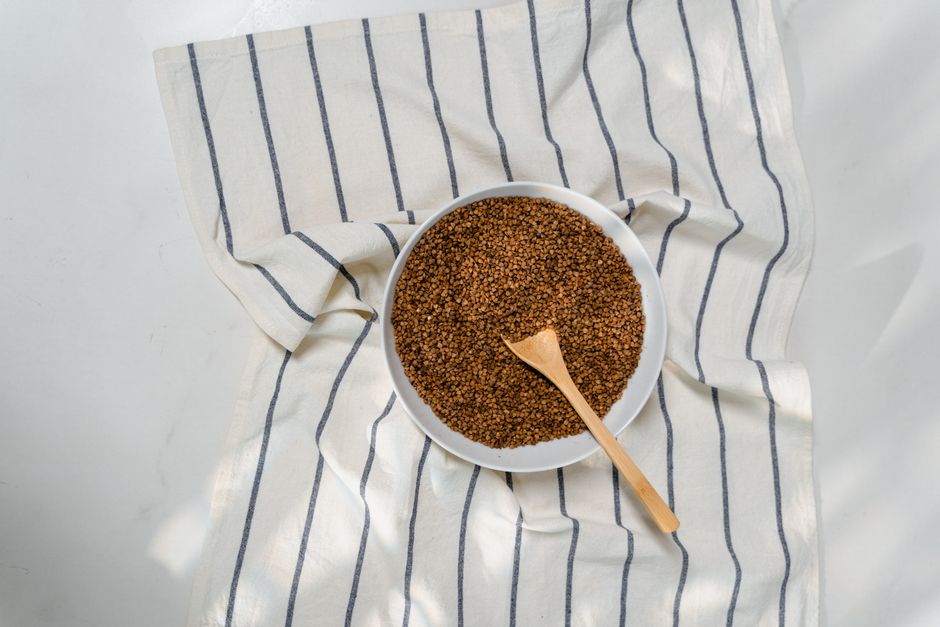
Sorghum is naturally gluten free. It does not contain the gluten proteins found in wheat, barley, or rye, which are the grains that trigger reactions in people with celiac disease. For most people with celiac disease, sorghum is considered a safe grain to eat. It is also a good source of fiber, protein, and several minerals. That said, “gluten free” on the label and “safe for celiac disease” are not always the same thing. Cross-contamination during farming and milling is the main risk. How the grain is grown, processed, and packaged matters as much as the grain itself.
What Makes Sorghum Naturally Gluten Free?
Sorghum is a cereal grain from a different plant family than wheat. Gluten is a storage protein found in wheat, barley, and rye. Sorghum does not produce those proteins. Its storage proteins are structurally different, and they do not trigger the immune response that damages the small intestine in celiac disease.
This is a botanical fact, not a marketing claim. The protein that causes trouble in celiac disease is specific to those three grains. Oats sit in a separate category — they are naturally gluten free but often contaminated in the field. Sorghum does not carry that same field-level risk to the same degree, though shared equipment is still a concern.
Traditional sorghum is not genetically modified. That is not a health claim in itself, but it matters to some shoppers looking for minimally processed grains.
Is Sorghum Safe for People With Celiac Disease?
Yes, when it is certified gluten free. The grain itself is safe. The risk comes from how it is grown, stored, and milled alongside wheat and other gluten grains.
Celiac disease is an autoimmune condition, not a food allergy or a sensitivity. Even small amounts of gluten can cause intestinal damage in people with the condition, sometimes without obvious symptoms. That is why the source of the grain matters.
The safest choice is sorghum labeled gluten free or certified by a recognized gluten-free certification program. Certification means the product has been tested and meets a defined limit for gluten content. In the United States, the Food and Drug Administration sets that limit at less than 20 parts per million for foods labeled gluten free.
Bulk bins and unlabeled sorghum flour are a different story. Shared silos, trucks, and milling equipment are common in grain production. If you have celiac disease, choose packaged products with a clear gluten-free claim rather than scooping from an open bin.
If you have celiac disease or another gluten-related condition, talk to your doctor or a registered dietitian before making major changes to your diet. This article is information, not medical advice for your specific situation.
Is Sorghum Gluten Free Nutrition and Celiac Safety a Concern for Everyone?
No. Most people without celiac disease or gluten sensitivity can eat sorghum without any issue. The gluten question only matters for people who react to gluten.
For everyone else, sorghum is simply a whole grain with a solid nutrient profile. It has a mild, slightly earthy flavor and works in porridges, baked goods, and grain bowls. It is also drought-tolerant and widely grown in parts of Africa and Asia, which is part of why it has gained attention as a resilient food crop.
People with a wheat allergy are a separate group. A wheat allergy is an immune reaction to wheat proteins, not the same mechanism as celiac disease. Sorghum does not contain wheat proteins, but anyone with a diagnosed food allergy should confirm with their doctor before adding a new grain.




What Are the Main Nutrients in Sorghum?
Sorghum is a whole grain with a nutrient profile similar in some ways to other whole grains. The exact numbers vary by variety and how the grain is prepared. The table below shows approximate values for cooked whole-grain sorghum, based on standard nutrient databases.
| Nutrient | Approximate Amount (per 1 cup cooked) |
|---|---|
| Calories | About 650 |
| Carbohydrate | About 140 grams |
| Fiber | About 12 grams |
| Protein | About 20 grams |
| Iron | Varies; a meaningful plant source |
These figures are approximate. Cooking method, water content, and grain variety all shift the numbers. Treat them as a general guide, not a precise label.
Sorghum is a good plant source of fiber, which supports digestive health and helps with blood sugar control when part of a balanced diet. It also provides iron and several B vitamins. Like other plant foods, it contains compounds called polyphenols, which are being studied for their antioxidant activity. That research is early. No clinical evidence currently confirms specific health benefits from sorghum polyphenols in humans.
One point that often gets lost: sorghum is a carbohydrate-rich grain, not a low-carb food. A cup of cooked sorghum carries a substantial carbohydrate load. People managing blood sugar should account for it the same way they would rice or other grains.
How Does Sorghum Compare to Other Gluten-Free Grains?
Sorghum holds its own against other gluten-free grains, but each has trade-offs. Here is a practical comparison.
- Quinoa: Higher in protein and a complete protein source. Cooks faster. More expensive.
- Rice: Neutral flavor and widely available. Lower in fiber and protein than sorghum.
- Millet: Similar texture and mild flavor. Comparable fiber. Also needs gluten-free certification.
- Buckwheat: Stronger flavor. Good fiber. Naturally gluten free but also needs certification.
- Sorghum: Higher fiber and protein than white rice. Mild flavor. Works well in flour blends for baking.
The practical advantage of sorghum is its texture and versatility. Sorghum flour blends well with other gluten-free flours for baking. Whole sorghum grain holds its shape when cooked, which makes it useful in salads and side dishes.
No single gluten-free grain is “best.” Rotation and variety matter more than picking one winner. Whole grains in general are linked to better long-term health outcomes when they replace refined grains.
Does Sorghum Have Any Downsides?
Sorghum is generally well tolerated, but it is not right for everyone. The main concerns are cross-contamination, digestion, and preparation.
Cross-contamination is the biggest issue for people with celiac disease, as covered above. Always check for a gluten-free label.
Sorghum contains tannins and other compounds in the outer layer of the grain. In high amounts, these can reduce how well the body absorbs some minerals. In typical human diets, this is not a major concern, but it is one reason whole grains are usually eaten cooked and in normal portions rather than as a concentrated supplement.
Like any high-fiber grain, sorghum can cause gas or bloating when you first add it to your diet. Starting with smaller portions and increasing gradually is a common approach. This is general dietary guidance, not a treatment recommendation.
Sorghum must be cooked before eating. Raw sorghum grain is hard and not digestible in its dry form. It is typically simmered in water until tender, similar to rice, or ground into flour for baking.
How Should You Choose and Store Sorghum?
Choose certified gluten-free sorghum if you have celiac disease. For everyone else, look for fresh, well-sealed products and store them properly.
Whole grains go rancid over time because of their natural oils. Store sorghum in an airtight container in a cool, dark place, or in the refrigerator for longer storage. Whole sorghum grain keeps longer than sorghum flour. Flour is best used within a few months of opening.
Check the label for the gluten-free claim if it matters to you. Certification logos from recognized programs add a layer of testing assurance beyond a simple label claim.
Frequently Asked Questions
Is sorghum gluten free?
Yes, sorghum is naturally gluten free and does not contain the gluten proteins found in wheat, barley, or rye. Choose certified gluten-free sorghum if you have celiac disease, because cross-contamination during milling is possible.
Can people with celiac disease eat sorghum?
Most people with celiac disease can safely eat sorghum when it is labeled or certified gluten free. Unlabeled or bulk sorghum carries a higher risk of cross-contamination, so check the packaging.
Is sorghum healthier than rice?
Sorghum generally has more fiber and protein than white rice, which may be a benefit for some people. It is also higher in calories per cooked cup, so portion size still matters.
Does sorghum contain wheat?
No, sorghum is a separate grain and does not contain wheat. However, it may be processed on shared equipment with wheat, so a gluten-free label is the reliable way to confirm safety.
