
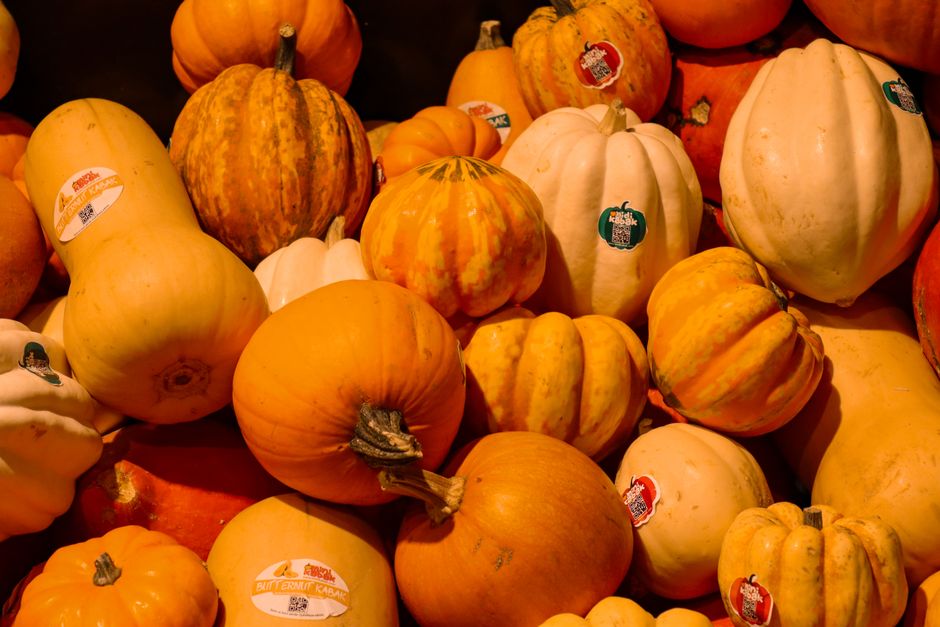
Squash is a botanical fruit. It develops from the flowering part of the plant and contains seeds, which is the definition botanists use for fruit. In everyday cooking and grocery shopping, though, most squash gets treated as a vegetable because of how it tastes and how it is used. Both labels are correct — they just come from different systems.
The confusion is not really about squash at all. It comes from two different definitions of the words “fruit” and “vegetable” that were never designed to agree with each other.
Why Is Squash A Fruit Botanically?
A fruit is the part of a flowering plant that develops from the ovary and holds the seeds. Squash fits that description exactly.
Follow a squash from flower to harvest and the structure is clear. The plant produces a flower, the flower is pollinated, and the ovary at its base swells into the squash. Inside are the seeds. Botanists call this a fruit because its job is to protect and disperse those seeds.
More specifically, squash is a pepo — a type of modified berry with a hard outer rind. Cucumbers, melons, and pumpkins share this same category. Pumpkins are squash, so they land in the same botanical group.
By this definition, the list of botanical fruits that get cooked like vegetables is long. Tomatoes, cucumbers, peppers, eggplant, okra, and green beans all qualify. None of them are unusual. They are just plants doing what plants do.
Why Do We Call Squash A Vegetable Then?
Culinary and legal definitions of “vegetable” are about use, not biology. If something is savory, eaten with a main meal, and treated like a side or ingredient rather than a dessert, English speakers have long called it a vegetable.
This is a cultural habit, not a scientific rule. There is no botanical category called “vegetable.” The word describes how a food functions in the kitchen and on the plate.
Courts have weighed in on similar questions. A well-known US Supreme Court case from the late 1800s classified the tomato as a vegetable for the purpose of import tariffs, based on how people cook and eat it rather than how it grows. That decision had nothing to do with biology. It was about trade law and common usage.
Squash followed the same path. Butternut, acorn, and spaghetti squash are roasted, stuffed, and turned into soups. Zucchini shows up in stir-fries and noodles. None of that changes what the plant is. It only changes what we call it at dinner.
Is Squash A Veggie Or Fruit? The Short Answer
Both answers are right depending on which system you are using. Botanically, squash is a fruit. In cooking and nutrition, it is usually grouped with vegetables.
Here is a simple way to keep it straight:
- Botanical fruit: develops from a flower, contains seeds
- Culinary vegetable: savory flavor, used in main dishes and sides
- Squash: meets both descriptions at once
Neither label is more “correct.” They answer different questions. One asks what the plant part is. The other asks how we eat it.




Are There Any Squash That Count As Fruit In The Kitchen?
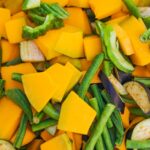
Yes, and this is where the neat split starts to break down. Some squash are sweet and used in desserts, which pushes them toward the fruit side even in everyday language.
Pumpkin pie is the clearest example. Pumpkin is a squash, and it is sweetened, spiced, and served as a dessert. Winter squash varieties like kabocha and delicata can be roasted until their natural sugars caramelize and taste almost like a sweet treat.
This is a useful reminder that the fruit-versus-vegetable line is not fixed. It shifts with preparation and culture. The same squash can read as a vegetable in a savory soup and as a fruit in a sweet pie.
Does The Fruit Or Vegetable Label Change Nutrition?
No. The label does not change what is inside the squash. Your body does not care which category a food was filed under.
What matters is the nutrient content, and squash delivers a lot of it. Most varieties are low in calories and high in water. They provide fiber, vitamin A in the form of beta-carotene, vitamin C, and potassium.
Winter squash like butternut and acorn tend to be denser and higher in starch and beta-carotene. Summer squash like zucchini is lighter, with more water and fewer calories per bite. Both are worth eating for different reasons.
The one practical place the label matters is food guidance. Dietary recommendations generally count squash toward vegetable intake, not fruit intake. So if you are tracking how many vegetables you eat, squash usually counts toward that goal.
What About Tomatoes, Cucumbers, And Peppers?
Squash is not special. It belongs to a large group of foods that are fruits by botany and vegetables by habit.
Tomatoes, cucumbers, peppers, eggplant, okra, and green beans all develop from flowers and contain seeds. All of them are botanical fruits. All of them are commonly treated as vegetables.
The pattern is so common that it has a nickname in some circles: “vegetables that are really fruits.” It is not a contradiction. It is just two vocabularies overlapping.
One clarification worth holding onto: the word “vegetable” is not a botanical term at all. Botanists classify plant parts as roots, stems, leaves, flowers, fruits, and seeds. A carrot is a root. Spinach is a leaf. Broccoli is a flower. Squash is a fruit. The word “vegetable” sits outside that system entirely.
How To Describe Squash Correctly
If you want to be precise, name the system you are using. Saying “squash is a botanical fruit” is accurate. Saying “squash is a vegetable” is accurate in a culinary sense.
In most everyday situations, calling squash a vegetable will not cause confusion. People know what you mean. The botanical answer only matters when the question is specifically about plant science.
What is worth avoiding is the claim that one answer is the “real” one and the other is wrong. That framing misses the point. The two words answer different questions, and squash happens to satisfy both.
Frequently Asked Questions
Is squash a veggie or a fruit?
Squash is a botanical fruit because it grows from a flower and contains seeds. It is usually called a vegetable in cooking and nutrition because of its savory flavor and how it is used in meals.
Why is squash considered a vegetable if it is a fruit?
The word “vegetable” is a culinary and cultural term, not a botanical one. Foods that are savory and eaten as part of a main meal have traditionally been grouped as vegetables, regardless of how they grow.
Is pumpkin a fruit or a vegetable?
Pumpkin is a squash, so it is a botanical fruit. It is often treated as a vegetable in savory dishes and as a fruit when used in sweet recipes like pumpkin pie.
Does calling squash a fruit change how healthy it is?
No. The category does not affect the nutrients in the squash. Most varieties provide fiber, vitamin A, vitamin C, and potassium whether you call them fruits or vegetables.
