
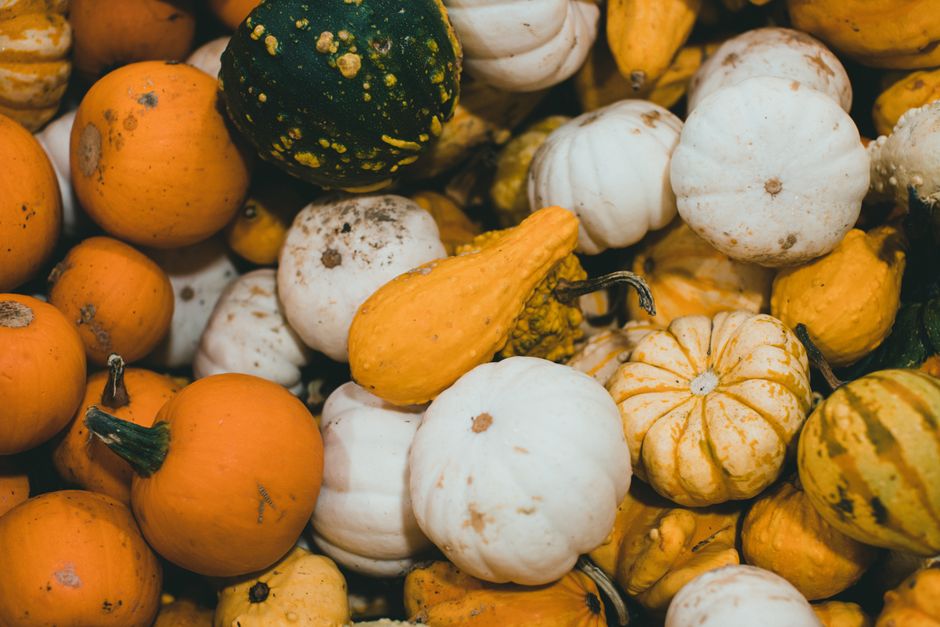
Botanically, squash is a fruit. It develops from the flower of the plant and contains seeds, which is what makes something a fruit in the strict botanical sense. In the kitchen, though, squash is usually treated as a vegetable because it is savory, not sweet, and gets served as part of a main dish or side rather than as dessert.
That split between science and everyday language is the whole story here. Both answers are correct depending on who is asking and why. A botanist classifies squash as a fruit. A chef or a shopper at the farmers market calls it a vegetable. Neither one is wrong.
Is Squash A Fruit Or A Vegetable?
It is both, and the confusion comes from the fact that “fruit” and “vegetable” are not competing scientific categories. They answer different questions.
Botany defines a fruit as the mature ovary of a flowering plant. After pollination, the ovary swells and develops around the seeds. Squash fits this definition exactly. So do tomatoes, cucumbers, peppers, pumpkins, and green beans.
“Vegetable” has no strict botanical definition. It is a culinary and cultural term. It generally refers to plant parts used in savory cooking — roots, stems, leaves, flowers, and yes, some botanical fruits. When a food is treated as a vegetable in the kitchen, it is a vegetable in that context.
So the real question is not which label is correct. It is which label you need for the situation you are in.
What Makes A Fruit A Fruit In Botany?
The defining feature is the ovary. A fruit forms from the part of the flower that holds the seeds, and its job is to protect those seeds and help disperse them.
This is why the botanical definition is broader than most people expect. It does not care about sweetness, size, color, or whether you eat it with whipped cream or olive oil. A bell pepper is a fruit. A jalapeño is a fruit. An acorn is a fruit. A tomato is a fruit.
Botanists group fruits into categories based on how they develop. Squash falls into a group called pepos — a type of berry with a hard outer rind. A pumpkin, a cucumber, and a melon are pepos too. That is not a technicality. These plants are all closely related in the gourd family, and their fruit structure reflects that shared ancestry.
One clarification worth making: the seed test people often use is not quite right. “If it has seeds, it is a fruit” is a useful shortcut, but the real criterion is the ovary. Some fruits we eat are seedless by design — bananas and seedless watermelons, for example. They are still fruits. The seed rule works most of the time, but the ovary is the actual rule.
Why Do We Call Squash A Vegetable In The Kitchen?
Cooking traditions classify food by how it is used, not by how it grows. That is the entire reason squash sits in the vegetable aisle.
Squash is savory. It is prepared in soups, roasted as a side, stuffed, or added to stews. It is not typically eaten raw as a snack or folded into dessert the way a peach or a strawberry is. Those culinary habits are what put it in the vegetable category in most people’s minds.
This is not a modern mix-up. Cultures around the world have long grouped foods by their role in a meal rather than by plant anatomy. The word “vegetable” was never meant to be a scientific term in the first place.
The practical result is that both labels coexist, and both are useful. In a grocery store, squash is a vegetable. In a botany textbook, it is a fruit. Nobody is confused except when the two worlds collide.




Is Squash A Fruit? The Nutrition Angle
Nutrition guidance generally groups squash with vegetables, and that grouping has real consequences for how it is counted in dietary recommendations.
Dietary guidelines in the United States categorize most squash as part of the vegetable group. This matters because the vegetable group is one of the food groups people are most often encouraged to eat more of, and squash contributes to that total.
There is an exception worth knowing. Some winter squash, and especially pumpkin, are sometimes counted differently depending on how they are used, and starchy vegetables like potatoes and corn are treated separately in some guidance. Squash does not usually fall into the starchy category, but the way foods get grouped can shift with context.
What squash brings nutritionally depends heavily on the type. Summer squash like zucchini is high in water content and low in calories. Winter squash like butternut and acorn is denser and higher in carbohydrates. Many types are good sources of vitamin A in the form of beta-carotene, and some provide vitamin C, potassium, and fiber. Exact amounts vary widely by variety and preparation, so the specific numbers depend on which squash you are eating and how you cook it.
Which Other Foods Are Botanically Fruits But Used As Vegetables?
Squash is far from alone. A surprising number of everyday “vegetables” are botanical fruits.
- Tomatoes — a fruit by every botanical measure, and the subject of a famous legal case about tariffs in the 1800s.
- Cucumbers — a pepo, like squash, and closely related.
- Bell peppers and chili peppers — fruits that develop from the flower and contain seeds.
- Pumpkins — a type of winter squash, so the same rules apply.
- Green beans and peas — the pods are fruits, even though we usually eat the seeds inside.
- Eggplant — a botanical berry, used as a vegetable in cooking.
- Okra — a seed pod, which makes it a fruit.
The pattern is consistent. If it develops from a flower and holds seeds, botany calls it a fruit. Whether we eat it as a vegetable is a separate decision made by cooks, not by plants.
Does The Label Actually Matter?
For most people, no. The label changes nothing about how squash tastes, how you cook it, or what it does in your body.
It matters in a few specific situations. If you are studying botany, the classification is foundational. If you are following dietary guidance, the food group matters for how you count servings. If you are in a debate about whether tomatoes belong in a fruit salad, you now have the botanical answer and can decide what to do with it.
What the label does not do is change nutrition. A zucchini is not more or less nutritious because it is technically a fruit. The nutrients are the nutrients regardless of the category.
The confusion itself is the interesting part. It reveals that everyday language and scientific language often run on different tracks, and both can be right at the same time. Squash is a fruit in the lab and a vegetable on the plate. That is not a contradiction. It is just two systems doing two different jobs.
Frequently Asked Questions
Is squash a fruit or a vegetable?
Squash is a fruit in botanical terms because it develops from the flower’s ovary and contains seeds. It is called a vegetable in cooking because it is savory and used in main dishes and sides rather than as a sweet food.
Why is squash considered a fruit?
Botany classifies any plant part that develops from the ovary of a flower and contains seeds as a fruit. Squash forms from the flower and holds its seeds inside, so it meets that definition.
Is zucchini a fruit?
Yes, zucchini is a botanical fruit for the same reason as other squash — it grows from the flower and contains seeds. In the kitchen it is treated as a vegetable.
Are pumpkins and squash the same thing?
Pumpkins are a type of winter squash, so they belong to the same botanical group. Both are fruits by the botanical definition and vegetables in culinary use.
