
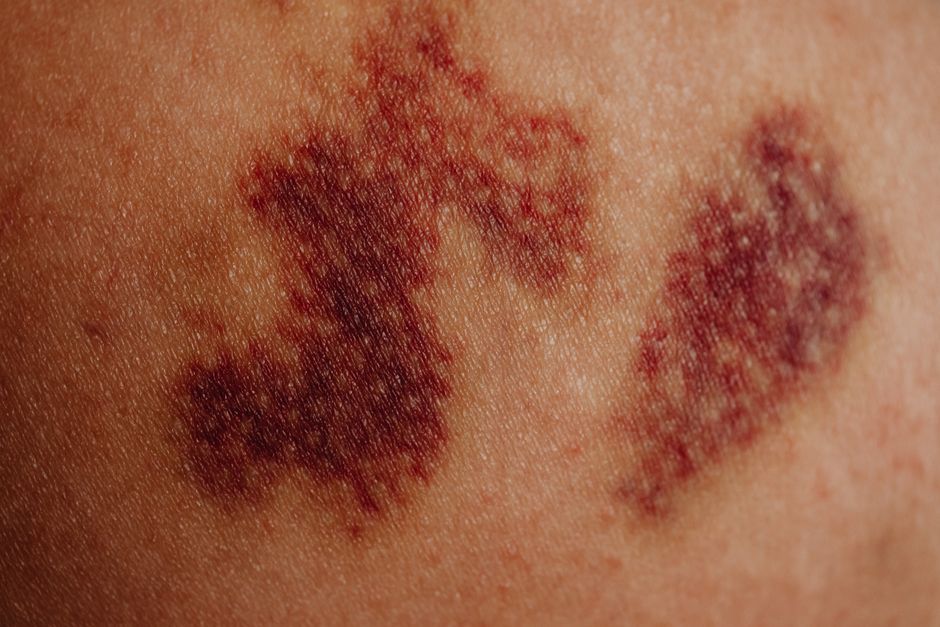
Squamous cell carcinoma (SCC) is the second most common form of skin cancer, and yes, it can be painful, but not always. The pain is not a reliable way to tell if a skin spot is cancer, because many SCCs are completely painless. However, pain, tenderness, or a burning sensation in a specific spot is a warning sign that warrants a medical evaluation.
What Does Squamous Cell Carcinoma Feel Like?
SCC can produce a range of sensations, or none at all. The most common description is a spot that feels scaly or rough, like sandpaper. Some people report a persistent itch, while others notice tenderness or soreness that does not go away.
Pain is more likely as the lesion grows or becomes more invasive. A tumor that has penetrated deeper into the skin can irritate nearby nerves, causing sharp or shooting pains. If the lesion cracks, bleeds, or forms an open sore, it can become quite painful.
That said, many early SCCs are flat, scaly patches that are entirely painless. Relying on pain alone will cause you to miss many cases. The texture and appearance of the spot are often more telling than the sensation.
How Does SCC Pain Differ From Other Skin Conditions?
Benign skin issues like eczema, dry skin, or a minor rash can also itch and hurt. The difference is usually persistence and location. A benign irritation typically responds to moisturizer or time. An SCC does not heal on its own and tends to persist or grow over weeks to months.
An SCC often feels firm to the touch, even when the surface looks flat. If you can feel a hard lump beneath the skin surface, that is a more concerning sign than pain alone. This firmness is a key clinical feature that doctors look for during an examination.
Another distinguishing factor is bleeding. SCCs bleed easily, often without any obvious injury. If a spot bleeds, scabs over, and then bleeds again in the same place, that pattern is a strong warning sign regardless of whether it hurts.
Is Squamous Cell Carcinoma Painful Signs To Know — The Full List
Pain is only one of several warning signs. The most important thing is to know the full picture so you can recognize a suspicious spot early. Here are the signs that should prompt a dermatology visit:
- A scaly, red patch that does not heal, often on sun-exposed skin like the face, ears, neck, or hands
- A firm, raised bump that may have a rough or crusted surface
- A sore that repeatedly bleeds, scabs, and reopens
- A flat area that feels rough or leathery, sometimes described as an actinic keratosis
- Persistent itching, burning, or tenderness in a specific spot
- A lesion that grows rapidly over a few weeks or months
- A spot that looks different from others on your body, sometimes called the “ugly duckling” sign
Pain is not the most common symptom. The most common presentation is a slowly growing, scaly, reddish patch that may or may not cause any sensation at all. If you notice any spot that is new, changing, or not healing, have it examined regardless of how it feels.




Why Does an SCC Become Painful?
Skin has many nerve endings, but the earliest changes in SCC happen in the epidermis, the top layer of skin, which has fewer pain receptors. As the cancer grows downward into the dermis, it encounters more nerve fibers. This is why deeper or more advanced tumors are more likely to cause pain.
Inflammation also plays a role. The immune system responds to the cancer cells, and that inflammatory response can cause tenderness, swelling, and a burning sensation. If the lesion becomes infected, the pain typically intensifies and may be accompanied by redness and warmth.
Another mechanism is physical pressure. A tumor growing in a location with tight skin, such as the ear, nose, or scalp, can compress surrounding tissue and nerves. This pressure can cause a dull ache or a sharper pain depending on the nerve involvement.
When Does Pain Indicate a More Serious Problem?
Pain that radiates away from the lesion, or numbness in the area, can suggest nerve involvement. This is more concerning because it may indicate that the cancer has grown deeper or spread along a nerve pathway, a condition called perineural invasion. This is uncommon but is a known feature of some aggressive SCCs.
If you experience persistent pain in a skin lesion along with weakness or numbness in the nearby area, seek medical attention promptly. These symptoms warrant a biopsy to determine the depth and aggressiveness of the tumor.
Most SCCs are detected before they reach this stage. The five-year cure rate for localized SCC is high when treated early. The risk of spread increases significantly if the tumor is deep, large, or located on certain high-risk areas like the lip or ear.
How Is SCC Diagnosed and Treated?
Diagnosis requires a biopsy. A doctor will numb the area, remove a sample of the lesion, and send it to a lab for microscopic examination. This is the only way to confirm whether a spot is cancerous. Clinical appearance alone is not sufficient for a definitive diagnosis.
Treatment depends on the size, depth, and location of the tumor. Common options include surgical removal, Mohs surgery, radiation therapy, and topical creams for very superficial cases. Mohs surgery is often used for SCC on the face or other cosmetically sensitive areas because it removes the cancer while sparing healthy tissue.
Most SCCs are treated successfully with surgery alone. The key is catching them early. A lesion that is small and confined to the top layers of skin has an excellent prognosis. Larger or deeper tumors require more extensive treatment and carry a higher risk of recurrence.
Can You Prevent Squamous Cell Carcinoma?
SCC is strongly linked to cumulative sun exposure over your lifetime. This is different from melanoma, which is more closely tied to intense, intermittent sunburns. People who work outdoors or spend many hours in the sun over years have a higher risk of developing SCC.
Daily sunscreen use on exposed skin reduces the risk. Reapplying every two hours during prolonged sun exposure is important because sunscreen breaks down over time. Protective clothing, hats, and seeking shade during peak sun hours also reduce risk.
Tanning bed use is a significant risk factor for SCC. The ultraviolet radiation from tanning beds is intense and directly damages skin DNA. Avoiding tanning beds entirely is the safest choice.
Regular skin self-exams help with early detection. Look for any new spots, changing moles, or sores that do not heal. If you have a history of significant sun exposure or previous skin cancer, an annual full-body skin exam by a dermatologist is recommended.
Frequently Asked Questions
Can squamous cell carcinoma be painless?
Yes, many squamous cell carcinomas are completely painless, especially in the early stages. The absence of pain does not mean a spot is harmless.
What does a squamous cell carcinoma bump feel like?
It often feels firm or hard to the touch, even if the surface looks flat or scaly. Some people describe it as a rough patch that does not go away.
Does squamous cell carcinoma hurt when pressed?
Some SCCs are tender when pressed, but others are not. Tenderness is not a reliable indicator of whether a spot is cancerous.
When should I see a doctor about a painful skin spot?
See a doctor if a spot is painful, bleeding, growing, or has not healed within a few weeks. Any new or changing skin lesion deserves evaluation.
